Asia · Business
Tata Motors Reports 46% Passenger Vehicle Sales Surge as Jaguar Land Rover Faces Supply Constraints
India's largest automaker posted record EV performance in Q1 while its luxury division navigated geopolitical headwinds and a strategic brand reset
KEY TAKEAWAYS
- ·Tata Motors reported a 46% increase in passenger vehicle sales for the June quarter, with electric vehicle sales reaching a quarterly record.
- ·Jaguar Land Rover volumes fell due to semiconductor shortages, Middle East geopolitical tensions, and the planned phase-out of existing Jaguar models ahead of an all-electric relaunch.
- ·The divergence highlights Tata's domestic strength in India's expanding EV market while its luxury division navigates a strategic transformation and external supply pressures.
Diverging Performance Across Divisions
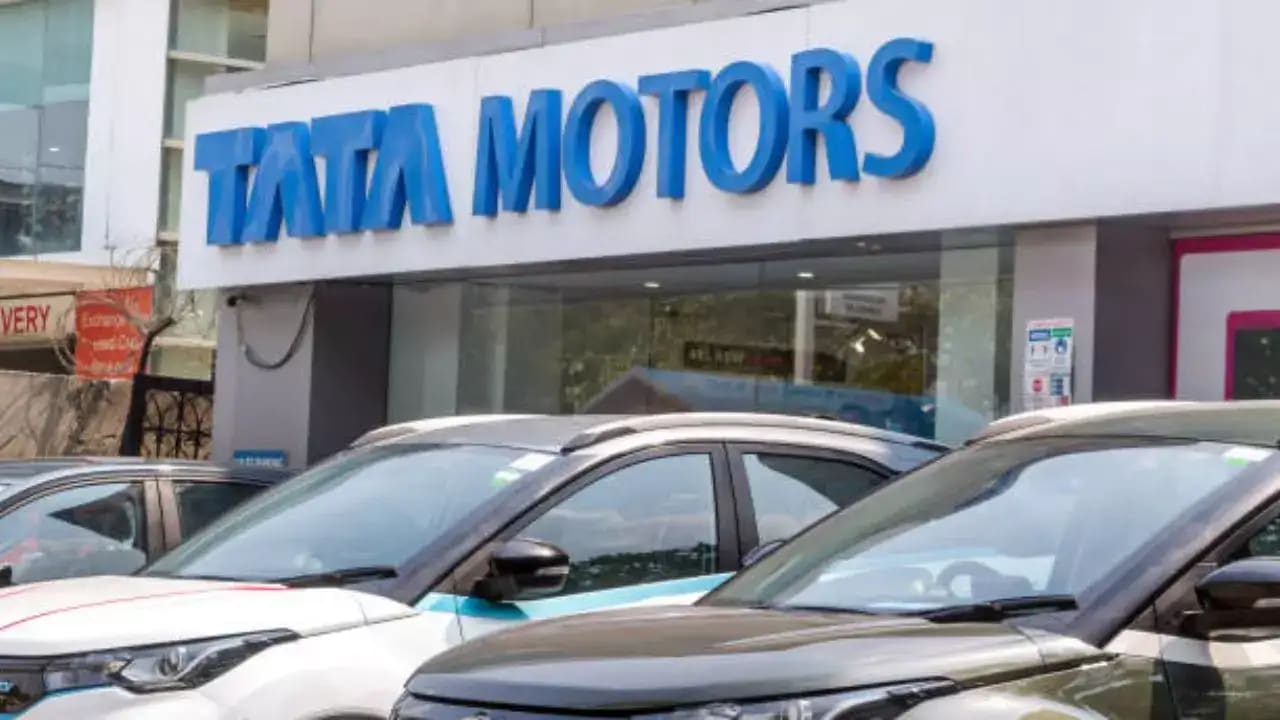
Tata Motors delivered sharply divergent results across its two main divisions in the June quarter, with the Indian passenger vehicle business posting robust growth while its premium Jaguar Land Rover unit confronted a combination of external pressures and internal transformation.
The Mumbai-based automaker announced a 46% increase in passenger vehicle sales for the April-to-June period, according to the company. The surge reflects sustained appetite for its Nexon, Punch, and Harrier models in India's rapidly expanding automotive market, where rising disposable incomes and improved financing options continue to draw first-time buyers and upgrade customers alike.
Electric vehicle sales reached their highest quarterly total to date, Tata Motors said, underscoring the company's early-mover advantage in India's nascent EV segment. The automaker controls roughly two-thirds of the country's battery-electric passenger vehicle market, a position built on aggressive pricing, expanding charging infrastructure partnerships, and a lineup spanning entry-level hatchbacks to mid-size SUVs.
Jaguar Land Rover Hits Headwinds
In contrast, Jaguar Land Rover recorded lower wholesale volumes during the same period, weighed down by supply chain disruptions, geopolitical instability in the Middle East, and the deliberate wind-down of existing Jaguar models ahead of a planned brand relaunch.
Supply bottlenecks, particularly for semiconductors and certain powertrain components, have persisted longer than the industry anticipated. While the acute shortages of 2021 and 2022 have eased, sporadic constraints continue to disrupt production schedules at JLR's facilities in the United Kingdom and Slovakia.
Geopolitical tensions in the Middle East added a further layer of complexity. The region represents a significant market for Range Rover and other high-margin JLR products, and ongoing conflict has dampened consumer sentiment and complicated logistics for luxury goods shipments. Tata Motors did not quantify the specific impact, but industry analysts note that premium automakers with heavy Middle East exposure have faced order deferrals and elevated inventory risk in recent quarters.
Strategic Pause for Jaguar
The most consequential factor, however, is the planned transformation of the Jaguar brand. Tata Motors has committed to repositioning Jaguar as an all-electric luxury marque, a shift that requires phasing out current internal-combustion models before new electric vehicles arrive in showrooms.
This transition period inevitably creates a sales gap. Dealers are running down inventory of outgoing models, and prospective buyers who might have considered a Jaguar are either waiting for the new lineup or turning to competitors. The hiatus is expected to last through much of this year, with the first redesigned electric Jaguar models slated for reveal later in 2026 and volume production beginning in 2027.
Land Rover, which accounts for the majority of JLR's sales, has continued to perform more steadily, though it too has felt the effects of supply constraints and regional volatility. The Defender and Range Rover Sport remain strong sellers in markets where luxury SUV demand holds firm, including China, North America, and parts of Europe.
India's EV Push Gains Momentum
Back in India, Tata Motors' domestic success story is intertwined with the country's broader push toward electrification. Government incentives, including reduced goods and services tax rates for EVs and subsidies under the second phase of the Faster Adoption and Manufacturing of Hybrid and Electric Vehicles scheme, have helped lower the total cost of ownership for buyers.
Tata's EV portfolio now spans five models, from the compact Tiago EV priced under 10 lakh rupees to the premium Nexon EV and Harrier EV. The company has also expanded its fast-charging network in partnership with state utilities and private charge-point operators, addressing one of the chief barriers to EV adoption in a country where home charging infrastructure remains patchy outside major cities.
The 46% jump in overall passenger vehicle sales also reflects Tata's gains in market share. The automaker has consistently ranked second in India's passenger vehicle segment, trailing only Maruti Suzuki, and has narrowed the gap over the past two years through aggressive product launches and competitive pricing.
What Comes Next
Investors and analysts will watch two key developments in the coming quarters. First, whether Tata Motors can sustain its domestic sales momentum as competition intensifies. Mahindra & Mahindra, Hyundai, and new entrants like BYD are all ramping up their EV offerings, and pricing pressure is expected to increase as battery costs decline and production scales up.
Second, the market will scrutinize the execution of Jaguar's relaunch. Tata Motors has invested billions of pounds in the transformation, betting that a fully electric, ultra-luxury positioning can restore profitability to a brand that has struggled for years. Any missteps in product development, timing, or market reception could weigh on the parent company's consolidated performance.
For now, Tata Motors is navigating a tale of two businesses: one riding a domestic boom, the other managing a deliberate pause before a high-stakes reinvention.
RELATED STORIES

India Receives 20 Bids to Build Rare Earth Magnet Production Capacity
Rajesh K. Iyer · 3 min
India's 7.8% GDP Growth Sparks Debate Over Revised Base Year Calculations
Rajesh K. Iyer · 3 min

China Shifts Pharma Strategy From Manufacturing to Drug Ownership
Priyanka V. Rao · 3 min

India's Young Farmers Adopt Drones and Digital Tools to Navigate Climate Pressures
Priyanka V. Rao · 5 min
Spot something wrong? Email editor@briefasia.com. We log every correction publicly.