Finance · Markets
Taiwan's TAIEX Tumbles Below 40,000 After 1,700-Point Intraday Swing
Benchmark index erases morning gains in late selling as month-long correction nears record decline amid regional semiconductor rout
KEY TAKEAWAYS
- ·Taiwan's TAIEX closed at 39,933.30 after swinging more than 1,700 points intraday, down 6,192 points this month toward a record monthly decline.
- ·Combined margin balances fell a record NT$52.1 billion in one session, signaling forced liquidation of leveraged positions has largely run its course.
- ·Analysts expect continued near-term volatility rather than a sharp recovery, citing ongoing semiconductor correction and regional deleveraging pressures.
Volatile Session Caps Brutal Month
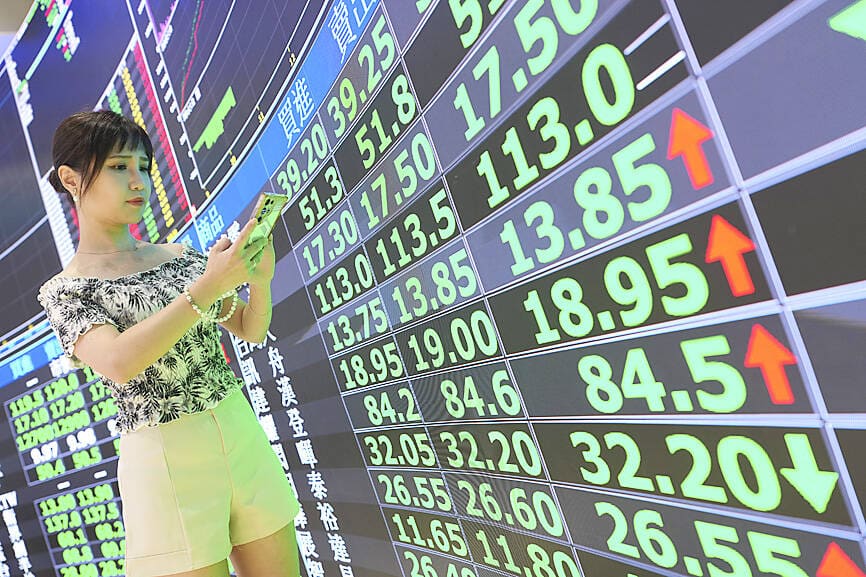
Taiwan's benchmark equity index closed below the 40,000-point threshold after a turbulent session that saw the market swing more than 1,700 points, with late-day selling erasing morning gains of over 1,100 points. The TAIEX ended the day down 105.88 points, or 0.26 percent, at 39,933.30, according to Taiwan Stock Exchange data.
The decline follows a two-day plunge earlier in the week that wiped out 3,595.01 points. The index has now fallen more than 6,192 points during the current month, positioning it for its largest monthly point decline on record.
Combined margin balances on Taiwan's stock market fell by NT$52.1 billion ($1.61 billion) in a single session earlier this week, a record one-day drop. Fubon Securities Investment Services chairman Edward Chen said the sharp deleveraging indicates much of the forced selling pressure from leveraged positions has likely been flushed from the system.
Steep Descent From Record High
The TAIEX has tumbled nearly 9,000 points from its record high of 48,218 at the end of June to an intraday low of 39,384 reached earlier this week. Chen cautioned that a rapid V-shaped recovery appears unlikely given the severity of the correction. Instead, the market is expected to remain volatile in the near term as it gradually establishes a bottom.
The correction has been unusually steep by historical standards. The benchmark index has shed roughly 18.5 percent from its peak in just one month, reflecting a broader retreat from technology stocks across Asian markets.
Regional Pressures Persist
Cathay United Bank noted in a commentary that ongoing deleveraging in South Korean equities, a persistent correction in semiconductor stocks, unresolved geopolitical tensions involving the United States and Iran, and fluctuating oil prices continue to weigh on the Philadelphia Semiconductor Index, Taiwanese equities, and South Korean stocks. All three markets posted significant gains earlier in the year before the recent downturn.
Deputy Finance Minister Frank Juan, who serves as executive secretary of the National Stabilization Fund, told a legislative committee meeting that the fund has been closely monitoring domestic and international political and economic conditions. Juan said the fund stands ready to take appropriate measures should market disorder materialize.
Juan emphasized that Taiwan's stock market maintains high correlation with international markets. The recent poor performance of foreign bourses has negatively affected the local exchange, he said, adding that such fluctuations are normal given the interconnected nature of global equity markets.
Market Positioning Over Fundamentals
Analysts attribute the selloff primarily to market positioning rather than a deterioration in corporate fundamentals. CTBC Securities Investment Service pointed to the unwinding of leveraged trades and automated trading as key drivers of the decline, alongside panic selling in global markets.
The sharp correction in semiconductor stocks has triggered broad-based risk aversion across Asian markets. Technology shares have borne the brunt of the retreat as investors reassess valuations amid concerns over the artificial intelligence boom and mounting geopolitical uncertainties.
Taiwan's equity market has been particularly vulnerable given its heavy weighting toward semiconductor manufacturers and technology hardware companies. The island's chipmakers have been caught in the crosscurrents of trade restrictions, supply chain realignments, and questions about the sustainability of AI-driven demand.
Outlook Remains Uncertain
Market participants expect continued volatility as investors navigate an uncertain landscape marked by geopolitical tensions, monetary policy shifts in major economies, and evolving dynamics in the global semiconductor industry. The pace and trajectory of any recovery will likely depend on stabilization in regional markets and clarity on several fronts, including trade policy, technology restrictions, and end-market demand for chips.
The record single-day decline in margin balances suggests retail investors who had been using borrowed funds to amplify returns have been forced to liquidate positions. This deleveraging process, while painful, may help establish a more stable foundation for the market going forward by reducing the overhang of leveraged bets vulnerable to forced selling.
Taiwan's equity market now trades at levels last seen several months ago, with the benchmark index having surrendered all gains accumulated during a rally that pushed valuations to record highs. Whether the current level represents a sustainable floor or merely a waystation in a longer correction remains an open question as the month draws to a close.
RELATED STORIES
Taiwan Stock Exchange Moves Odd-Lot Trading Start Time Forward
Cheng Wei-Lun · 3 min

Fubon Hyundai Life Returns to Profit in First Half on Asset Management Gains
Cheng Wei-Lun · 2 min

Taiwan UPS Maker Eyes Record Quarter on Data Center Demand
Cheng Wei-Lun · 3 min

Taiwan Consumer Confidence Falls Amid Record Growth Forecasts
Cheng Wei-Lun · 2 min
Spot something wrong? Email editor@briefasia.com. We log every correction publicly.