Finance · Deals
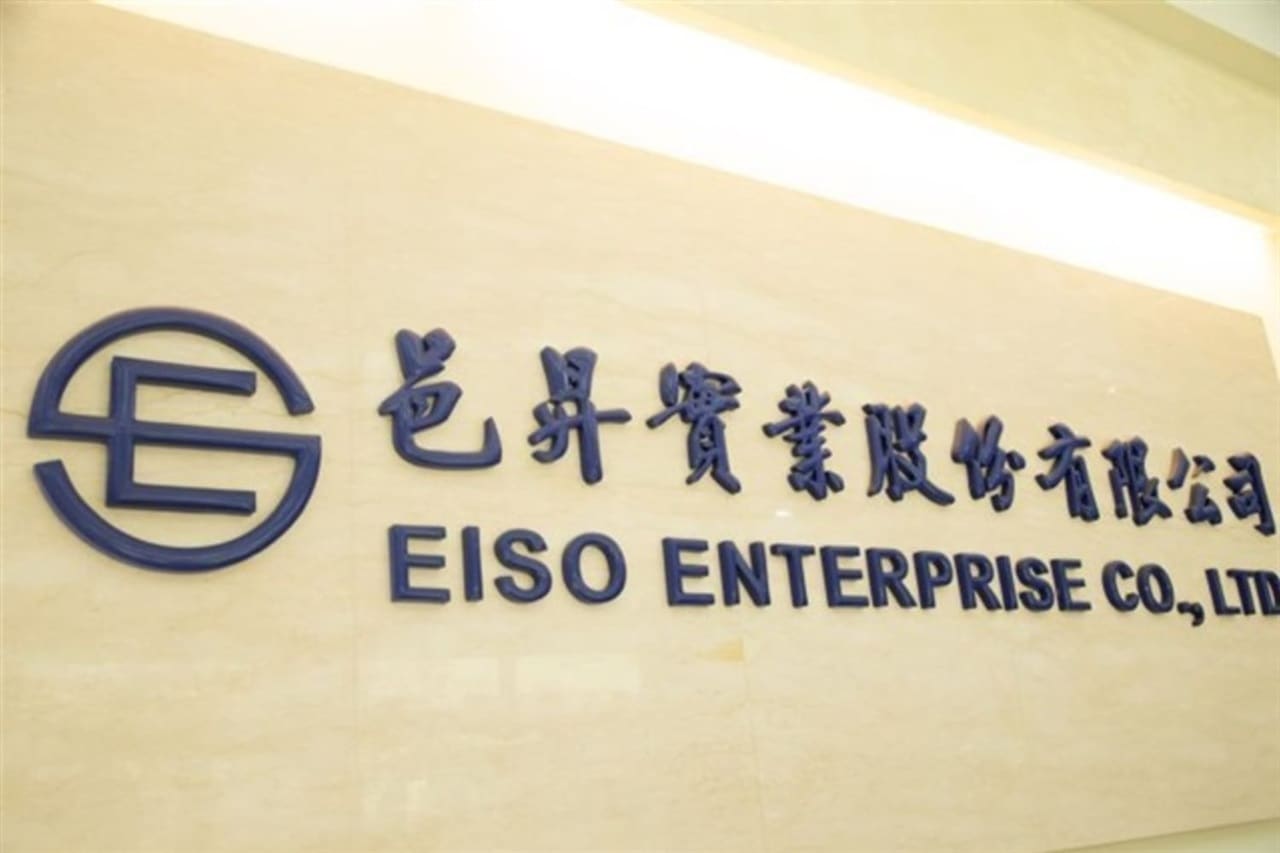
Taiwan PCB Maker Eiso Secures NT$300M for AI and Defense Growth
The printed circuit board manufacturer completes fundraising through equity and convertible bond issuance to expand high-margin production capacity
KEY TAKEAWAYS
- ·Eiso Enterprise completed a NT$300 million capital raise combining cash equity and its second 2026 unsecured convertible bond issuance to fund AI, aerospace, and defense PCB expansion.
- ·Proceeds will strengthen working capital, retire bank debt, and improve financial structure as the company targets high-margin substrates for AI accelerators and military systems.
- ·The unsecured bond placement signals stable creditworthiness, while the dual fundraising approach indicates growth investment outpacing internal cash generation in a competitive regional market.
Capital Structure and Strategic Intent
Eiso Enterprise, a Taiwan-based printed circuit board manufacturer, has wrapped up its 2026 fundraising campaign with NT$300 million in fresh capital. The company executed a two-pronged approach: a cash capital increase paired with the issuance of its second tranche of domestic unsecured convertible bonds this year.
The proceeds will be directed toward three priorities. First, bolstering working capital to support near-term operational needs as production scales. Second, retiring existing bank debt to lower interest expense and improve balance-sheet flexibility. Third, strengthening the overall financial structure to prepare for capital-intensive capacity additions in high-specification product lines.
The PCB Industry Context in Asia
Taiwan's PCB sector has been riding a wave of demand from artificial intelligence infrastructure, military modernization programs, and next-generation aerospace systems. These applications require substrates with tighter tolerances, higher layer counts, and materials that withstand extreme thermal and electrical stress. Margins on such boards run significantly above commodity consumer electronics PCBs, making them attractive targets for manufacturers with the technical capability to qualify.
Eiso's fundraising comes as regional competitors accelerate their own expansions. Several Taiwanese and South Korean firms have announced capacity additions in the past twelve months, spurred by customer commitments from hyperscale cloud providers and defense primes. The race centers on securing long-term supply agreements before the window narrows.
Convertible Bonds as a Financing Tool
Issuing a second convertible bond in the same calendar year signals confidence in future equity valuation. Convertibles allow Eiso to raise debt at a lower coupon than straight bonds, with the trade-off that bondholders can convert to equity if the share price appreciates beyond the conversion price. For a mid-tier PCB player, this structure reduces immediate cash interest burden while offering upside participation to investors.
The unsecured nature of the bonds suggests the company's creditworthiness has held steady despite broader macroeconomic headwinds. Banks and institutional buyers typically demand collateral or higher yields when balance sheets show stress. That Eiso could place unsecured paper indicates stable cash flow and manageable leverage ratios.
What the Money Buys
Working capital in PCB manufacturing covers raw material inventory, particularly copper foil and specialty laminates, which have seen price volatility tied to commodity cycles. A stronger cash position lets Eiso negotiate volume discounts and lock in supply during tight markets. It also smooths the lag between customer orders and payment collection, which can stretch sixty to ninety days in aerospace and defense contracts.
Debt repayment will improve interest coverage ratios and free up credit lines for future needs. Lower leverage also makes the company a more attractive partner for joint ventures or technology licensing deals, both common in the PCB industry as firms share R&D costs for advanced materials.
The financial structure upgrade positions Eiso for potential ratings improvements or easier access to capital markets if a third fundraising round becomes necessary. With AI and defense orders carrying long lead times and lumpier revenue recognition, maintaining multiple funding pathways reduces execution risk.
Competitive Dynamics and Next Moves
Eiso's focus on AI, aerospace, and defense aligns with where the margin pools are deepest in the PCB value chain. AI accelerator boards demand high-frequency, low-loss materials and microvias measured in single-digit microns. Aerospace PCBs must pass rigorous qualification testing and operate reliably across wide temperature ranges. Defense applications add export control and supply-chain security requirements, narrowing the vendor pool.
The company's ability to convert this capital into actual capacity and customer wins will depend on execution across engineering, procurement, and quality assurance. Lead times for specialized equipment can exceed twelve months, and ramping yields on new product lines often takes additional quarters. Competitors with earlier starts or deeper pockets may capture disproportionate share if Eiso's expansion timeline slips.
Regional supply-chain dynamics also matter. Taiwan's dominance in advanced PCBs mirrors its position in semiconductors, but geopolitical considerations are pushing some Western buyers to diversify. Eiso may face pressure to establish or partner on production footprints outside Taiwan to retain or expand defense business, which would require further capital beyond this raise.
Financial Health and Market Position
The dual fundraising approach suggests Eiso is managing a growth phase that outstrips internal cash generation. Profitable PCB makers typically self-fund incremental capacity; turning to external capital indicates either accelerated investment timelines or margin pressure in legacy product lines. The latter is common as consumer electronics PCB pricing remains under deflation.
Investor appetite for the convertible bonds will offer a read on market sentiment toward the PCB sector's growth trajectory. Strong oversubscription would validate the AI and defense thesis; tepid demand might reflect concern about overcapacity or customer concentration risk.
For now, Eiso has the runway it sought. The next twelve months will reveal whether the capital translates into design wins, volume ramps, and the margin expansion needed to justify the dilution and debt service.
RELATED STORIES
Integrated Systems Will Drive Next Wave of AI Growth, Says TSMC
Cheng Wei-Lun · 4 min
Taiwan's Neousys Bets on Edge AI Expansion Across Defense and Manufacturing
Cheng Wei-Lun · 3 min

Fubon Hyundai Life Returns to Profit in First Half on Asset Management Gains
Cheng Wei-Lun · 2 min
Taiwan Stock Exchange Moves Odd-Lot Trading Start Time Forward
Cheng Wei-Lun · 3 min
Spot something wrong? Email editor@briefasia.com. We log every correction publicly.