Asia · Business
Taiwan's Economy Surges Nearly 13% on AI Chip Demand
Second-quarter growth hits 12.92% as semiconductor exports and US trade ties power the island's expansion, though wealth distribution remains uneven
KEY TAKEAWAYS
- ·Taiwan's economy grew 12.92% year-on-year in the second quarter of 2026, powered by AI chip exports and strengthened US trade ties.
- ·Exports surged nearly 50% in the first half of 2026, driven by advanced semiconductors and server components for AI infrastructure.
- ·The Lai administration faces pressure to address wealth concentration and income inequality as tech sector gains outpace wage growth in traditional industries.
Record Expansion Fueled by Semiconductors
Taiwan's economy expanded 12.92% year-on-year in the second quarter of 2026, according to data released Friday by the island's statistics agency. The growth marks one of the fastest quarterly expansions in recent years, propelled by surging demand for advanced semiconductors used in artificial intelligence systems.
The island's chip manufacturers, led by Taiwan Semiconductor Manufacturing Company, have captured the bulk of orders for cutting-edge processors that power generative AI models and data center infrastructure. Global technology companies competing to build AI capabilities have turned to Taiwan's foundries, which command over 60% of the worldwide contract chipmaking market.
Trade and investment flows between Taiwan and the United States have intensified as Washington pursues supply-chain resilience policies. American firms have increased procurement of Taiwanese semiconductors while expanding joint ventures in advanced manufacturing. The bilateral relationship has become a pillar of the island's economic model, accounting for a growing share of export revenue.
Export Performance Drives Momentum
Outbound shipments from Taiwan climbed nearly 50% in the first half of 2026 compared to the same period a year earlier, driven by integrated circuits, server components, and networking equipment. The export surge reflects both volume increases and higher average selling prices for advanced chips built on 3-nanometer and smaller process nodes.
Electronics manufacturing services providers have also benefited from the AI buildout, assembling servers and storage systems for hyperscale cloud operators. Orders have risen faster than production capacity, prompting capital expenditure plans worth billions of dollars across the sector.
The statistics agency attributed the second-quarter result to robust external demand, elevated fixed investment, and inventory restocking by global clients. Private consumption grew at a more modest pace, reflecting wage growth that has lagged behind corporate profits in the technology sector.
Policy Challenge for Lai Administration
President Lai Ching-te's administration, which took office in May 2024, faces the task of spreading the economic gains beyond the semiconductor and technology industries. While headline GDP figures have impressed investors, wealth concentration and income inequality have become political flashpoints.
Young workers in traditional manufacturing, services, and agriculture have seen limited wage increases even as chip engineers and executives enjoy compensation packages that rival Silicon Valley. The government has pledged to support small and medium enterprises, upgrade vocational training, and invest in regional infrastructure, though concrete results remain years away.
Lai has positioned Taiwan as an "AI island," aiming to attract research labs, data centers, and software developers to complement the island's hardware strengths. The strategy requires regulatory reforms, talent development programs, and power grid upgrades to accommodate energy-intensive computing facilities.
Risks on the Horizon
The economy's heavy reliance on a narrow set of export markets and products leaves it vulnerable to demand cycles and geopolitical shocks. Any slowdown in AI infrastructure spending by major technology firms would ripple through Taiwan's industrial base within quarters.
Cross-strait tensions with Beijing add another layer of uncertainty. China views Taiwan as part of its territory and has pressured multinational corporations to reduce their dependence on the island's supply chains. Some electronics brands have begun diversifying production to Southeast Asia and India, though Taiwan retains technological advantages that are difficult to replicate quickly.
Currency appreciation pressures have also emerged as capital inflows chase semiconductor stocks and real estate. A stronger Taiwan dollar makes exports less competitive, potentially eroding margins for manufacturers that operate on thin spreads. The central bank has intervened intermittently to smooth volatility, balancing growth objectives against inflation concerns.
Regional Context
Taiwan's 12.92% growth rate stands in contrast to more moderate expansion across much of Asia. South Korea, another major chip exporter, has posted solid but slower gains as memory prices stabilized following a sharp recovery. Singapore and Hong Kong have logged growth in the low single digits, reflecting their exposure to China's uneven economic performance.
The divergence underscores Taiwan's unique position in the AI supply chain. While other economies benefit from technology spending, none matches the island's concentration of leading-edge foundry capacity. That specialization delivers outsized returns during boom periods but amplifies downside risk when cycles turn.
For now, order books remain full and capital investment plans continue to expand. Whether the momentum can sustain through 2027 will depend on the trajectory of AI adoption, geopolitical stability, and the government's ability to channel prosperity into broader economic resilience.
RELATED STORIES

Taiwan Consumer Confidence Falls Amid Record Growth Forecasts
Cheng Wei-Lun · 2 min
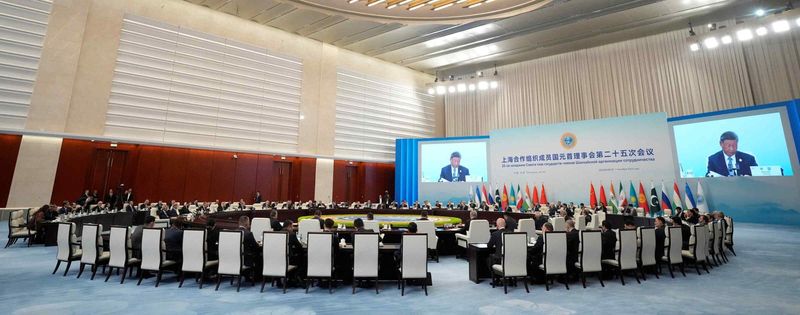
Eurasian Security Bloc Convenes as Shein Prices Hong Kong IPO
Cheng Wei-Lun · 3 min
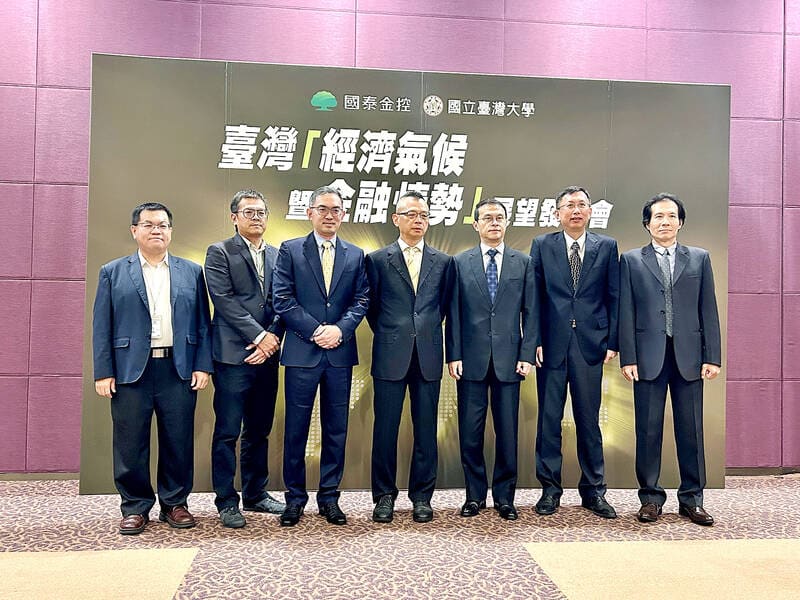
Taiwan GDP Growth Forecast Lifted to 11.6% on AI Chip Demand
Cheng Wei-Lun · 3 min
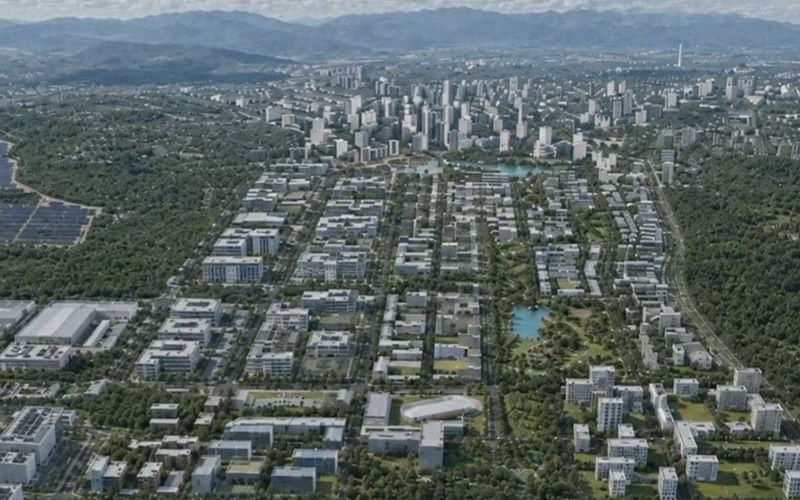
Manila's Chip Industry Still Stalled in Assembly While Taipei Built Fabs
Priyanka V. Rao · 4 min
Spot something wrong? Email editor@briefasia.com. We log every correction publicly.