Asia · Business
Taiwan's Economy Holds Red-Hot Signal for Seventh Month Running
Composite monitoring indicator climbs to 41 in June as AI-driven chip demand sustains investment and export momentum across manufacturing and service sectors

KEY TAKEAWAYS
- ·Taiwan's composite business indicator rose to 41 in June, staying at red level for a seventh straight month, the second-longest expansion on record.
- ·Manufacturing sales and overtime hours improved while AI chip demand drove exports, investment, and spillover gains into machinery and basic metals sectors.
- ·Officials expect exports to remain strong through year-end, supported by AI infrastructure expansion and peak consumer electronics season, despite high comparison base.
Sustained Expansion Signals Chip-Led Growth
Taiwan's composite business monitoring indicator rose to 41 in June, climbing two points from May and holding at the red signal level for a seventh consecutive month, according to the National Development Council. The streak represents the second-longest period of red signals in the indicator's history, trailing only the nine-month stretch from February to October 2021.
Under the council's five-color framework, red denotes robust economic expansion or potential overheating, while green marks stable conditions and blue reflects contraction. Yellow-red and yellow-blue serve as transitional zones.
The June reading came as both leading and coincident indicators trended upward, pointing to steady domestic growth driven by semiconductor manufacturing and related technology investment. Chen Mei-chu, head of the council's Department of Economic Development, attributed the strength to accelerating demand for chips and servers tied to artificial intelligence infrastructure buildouts.
Component Indicators Reflect Broad Momentum
Among the nine components that make up the composite indicator, the manufacturing sales index advanced from yellow-red to red in June, adding one point to the overall score. Overtime hours in industrial and service sectors also improved, moving from green to yellow-red and contributing another point.
The remaining seven components held steady at their May levels. These included money supply, stock prices, industrial production, exports, machinery and electrical equipment imports, retail and wholesale sales combined with food and beverage sales, and manufacturer sentiment.
The council noted that AI-related demand is beginning to extend beyond core technology sectors into machinery and basic metals, broadening the economic impact. The real value of semiconductor equipment imports climbed for a fourth straight month, reflecting continued capital investment by chipmakers on the island.
Investment Pipeline Remains Robust
Looking forward, the council expects exports to stay strong through the second half of 2026, supported by ongoing AI infrastructure expansion, wider adoption of AI applications, and the peak shipping season for consumer electronics.
Investment is anticipated to benefit from higher capital expenditure by major semiconductor firms, increased commitments from international companies, and government programs aimed at supporting digital transformation and net-zero transitions among small and medium-sized enterprises.
Private consumption is likely to hold up, underpinned by a stable labor market, wealth effects from elevated stock valuations, and spending linked to major exhibitions and sporting events, the council said.
Chen described herself as cautiously optimistic about the prospect of the red-light signal continuing through year-end, though she acknowledged that the high comparison base from the first half of 2026 poses a challenge. Think tanks generally project growth above 8 percent in the second half, slower than the double-digit pace recorded in the first half but still robust by historical standards.
Risks Remain on the Horizon
The council flagged persistent uncertainties, including the conflict in the Middle East and evolving U.S. tariff policies. Chen assessed recent U.S. tariff developments as relatively favorable for Taiwan's non-technology manufacturers, while noting that the Middle East conflict is likely to have limited long-term impact due to a more diversified global energy mix compared to past oil crises.
When asked about concerns over negative free cash flow at Alphabet, Chen emphasized that the focus should remain on the continued expansion of AI applications and the strength of corporate earnings. She cited Taiwan Semiconductor Manufacturing Co.'s decision to raise its capital expenditure guidance as evidence that underlying demand remains solid.
The export orders index pointed to brighter business confidence, reinforcing expectations that the island's export-driven economy will maintain momentum in the near term. The combination of strong external demand, sustained investment, and resilient domestic consumption suggests Taiwan's economic expansion is likely to extend into the second half of 2026, even as growth rates moderate from the elevated levels seen earlier in the year.
RELATED STORIES
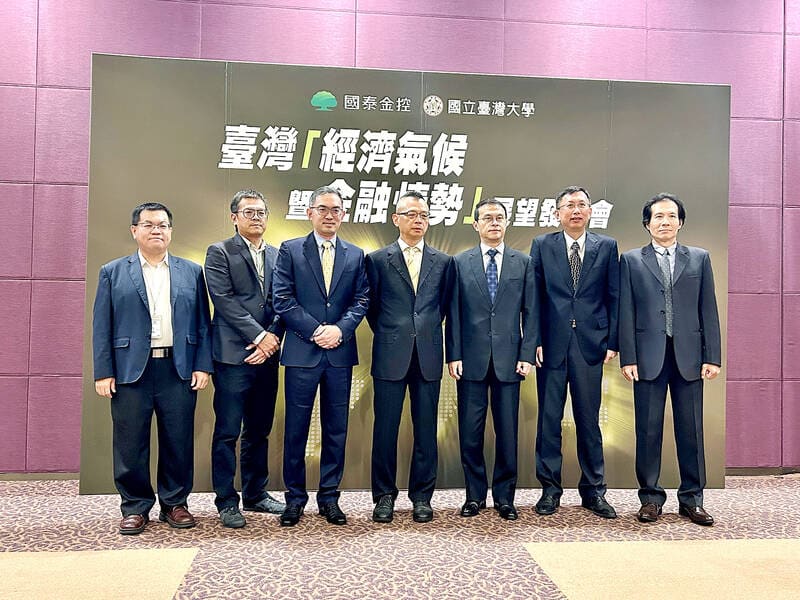
Taiwan GDP Growth Forecast Lifted to 11.6% on AI Chip Demand
Cheng Wei-Lun · 3 min

Taiwan Consumer Confidence Falls Amid Record Growth Forecasts
Cheng Wei-Lun · 2 min
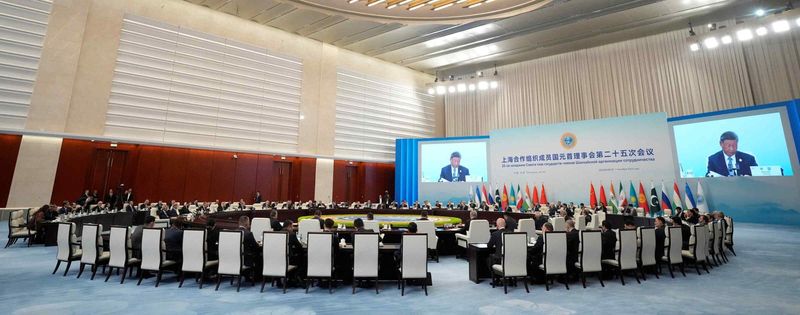
Eurasian Security Bloc Convenes as Shein Prices Hong Kong IPO
Cheng Wei-Lun · 3 min
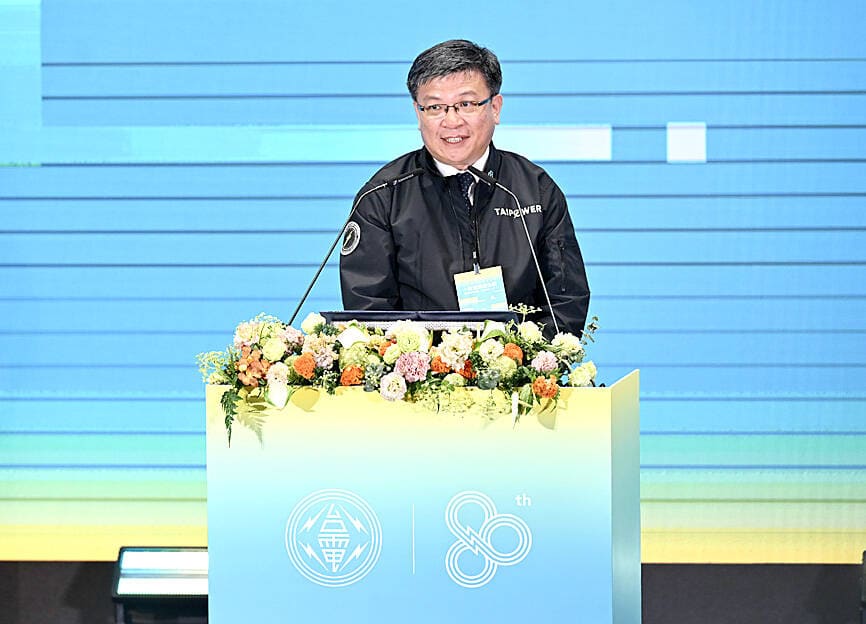
Taiwan Power Plans Direct Lines to AI Data Centers, Bypassing National Grid
Cheng Wei-Lun · 3 min
Spot something wrong? Email editor@briefasia.com. We log every correction publicly.