Real Estate · Land
Stavian Group Launches $95.6 Million Industrial Park in Northern Vietnam
The real estate developer breaks ground on a new manufacturing hub in Thái Nguyên province, targeting electronics and component production as Vietnam strengthens its position in regional supply chains.
KEY TAKEAWAYS
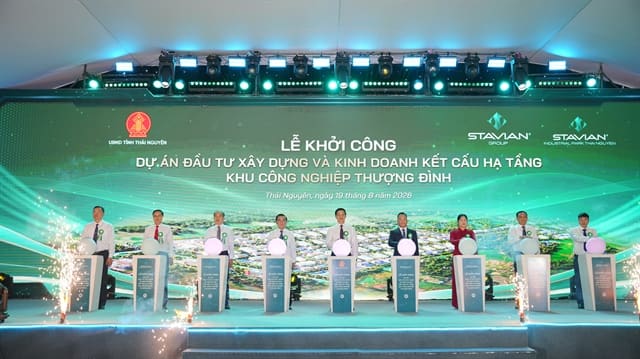
- ·Stavian Group has started construction on a $95.6 million industrial park in Thái Nguyên province, one of northern Vietnam's key manufacturing hubs.
- ·The project targets electronics and component makers as companies continue diversifying production away from China into Southeast Asia.
- ·Developers committed over $2 billion to new industrial parks in Vietnam during the first half of 2026, with northern provinces capturing most activity.
A New Manufacturing Node Takes Shape
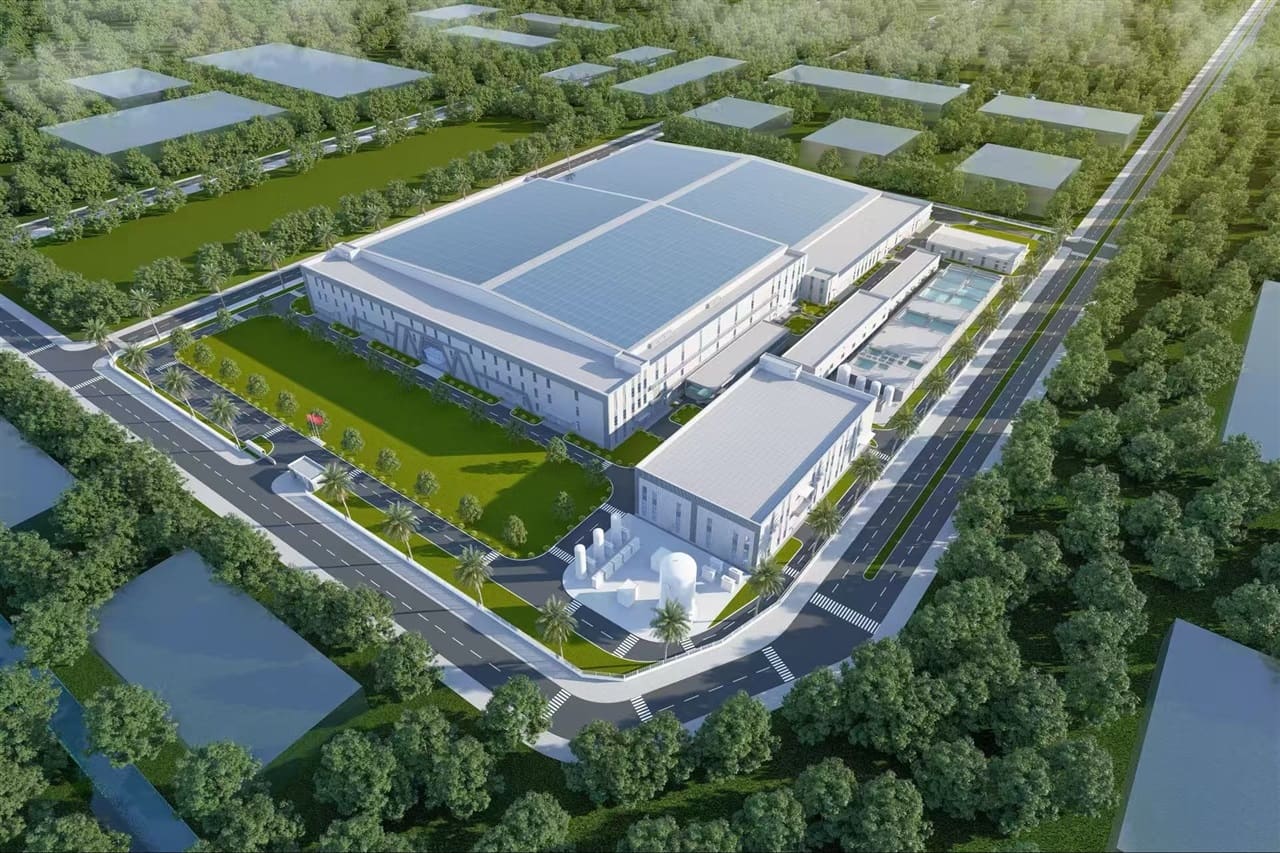
Stavian Group has broken ground on an industrial park in Thái Nguyên province, approximately 80 kilometers north of Hanoi, with total investment reaching $95.6 million. The project represents one of the larger privately funded industrial real estate developments in Vietnam's northern region this year, targeting electronics assembly and component manufacturing tenants.
The facility joins a growing cluster of industrial zones in Thái Nguyên, a province that has attracted substantial foreign direct investment over the past decade. Samsung operates major manufacturing operations nearby, and the provincial government has positioned the area as a strategic node for technology hardware production and supporting industries.
Stavian Group announced the groundbreaking ceremony this week, though the company has not yet disclosed the total land area or planned completion timeline. The developer is known for industrial and logistics real estate projects across northern Vietnam, with existing assets in Bắc Ninh and Hưng Yên provinces.
Vietnam's Industrial Real Estate Momentum
The Thái Nguyên project arrives as Vietnam continues to draw manufacturing investment amid ongoing supply chain reconfiguration across Asia. Companies seeking production alternatives to China have accelerated land acquisition and facility construction in Vietnam, particularly in the electronics, textiles, and automotive components sectors.
Industrial land prices in Thái Nguyên have climbed steadily since 2020, driven by proximity to Hanoi, established transport links, and a supply of factory workers. The province offers lower land and labor costs compared to established manufacturing hubs like Bắc Ninh and Hải Phòng, while maintaining access to the capital's services and Nội Bài International Airport.
Stavian Group's investment aligns with broader trends in Vietnam's industrial property market. Developers have committed more than $2 billion to new industrial parks and logistics centers across the country in the first half of 2026, according to industry data. Northern provinces account for the majority of this activity, reflecting sustained demand from electronics and precision manufacturing tenants.
Tenant Mix and Regional Competition
The new park is expected to house multiple tenants, though Stavian Group has not announced any anchor occupants. Industrial parks in Thái Nguyên typically attract a mix of component suppliers, contract manufacturers, and logistics operators serving larger assembly facilities in the region.
Competition for quality industrial land in northern Vietnam has intensified. Developers from Singapore, South Korea, and Japan have expanded their footprints in recent years, often partnering with local firms or acquiring existing parks to upgrade infrastructure. Stavian Group's project will compete with both established industrial zones and newer developments offering advanced power systems and environmental management features.
The company's ability to secure tenants will depend on infrastructure quality, competitive lease rates, and coordination with provincial authorities on permits and utilities. Thái Nguyên's government has streamlined approval processes for manufacturing projects, a factor that has helped the province attract investment despite competition from neighboring areas.
Vietnam's industrial real estate sector faces challenges alongside growth. Power supply constraints in some regions have delayed production schedules, and developers must navigate environmental regulations that have become more stringent in recent years. Stavian Group will need to address these factors as construction progresses and leasing activity begins.
The Thái Nguyên industrial park represents a calculated bet on Vietnam's continued role in Asian manufacturing networks. As global companies diversify production footprints, northern Vietnam's industrial corridor is positioned to capture incremental capacity, provided infrastructure and regulatory frameworks keep pace with demand.
RELATED STORIES
Stavian Group Breaks Ground on $95.6 Million Industrial Park in Thái Nguyên
Priyanka V. Rao · 3 min
Dung Quat Economic Zone Pulls $19.4 Billion in Foreign Investment
Tran Quoc Bao · 2 min
Vietnam Faces $230 Billion Export Sprint to Salvage 2026 Growth Target
Tran Quoc Bao · 2 min
OCI Holdings Ramps Up Vietnam Solar Wafer Production Through Thinning Strategy
Cheng Wei-Lun · 3 min
Spot something wrong? Email editor@briefasia.com. We log every correction publicly.