Lifestyle · Culture
Starbucks Redesigns Stores in China to Capture New Consumer Habits
The coffee giant adapts its China locations as local preferences shift beyond the American coffeehouse model it introduced a decade ago
KEY TAKEAWAYS
- ·Starbucks is revising store formats across China, emphasizing takeaway, delivery integration, and localized food menus as consumer habits mature beyond the traditional coffeehouse model.
- ·The company faces intensifying competition from Luckin Coffee and regional chains that offer lower prices and delivery-first approaches in a market Starbucks helped create.
- ·Cities like Hangzhou serve as testing grounds for digital ordering, faster service layouts, and premium Reserve Roastery concepts targeting affluent consumers.
A Different Coffeehouse Experience
Anne, a 34-year-old American English teacher living in Hangzhou, notices the contrast every time she walks into her local Starbucks. Over a decade ago in Seattle, the experience was predictable: order a latte, settle into a comfortable chair, open a laptop. The stores in Zhejiang's provincial capital feel markedly different from that memory, she observes.
The shifts Anne sees reflect broader changes in how Starbucks operates across China, where the Seattle-based chain has spent years building consumer habits around coffee in a historically tea-drinking market. Now, as those habits mature, the company is reworking its approach to match evolving preferences.
Adapting to Local Rhythms
Starbucks entered China in 1999, opening its first store in Beijing at a time when coffee consumption was negligible. The company positioned itself not merely as a beverage retailer but as a lifestyle destination, importing the "third place" concept that defined its American identity. For years, Chinese consumers embraced this model, treating Starbucks outlets as social gathering spots and study havens.
That initial strategy succeeded in establishing coffee as part of urban Chinese routines. Yet the consumer landscape that Starbucks helped create has since grown more complex. Domestic competitors have proliferated, offering localized flavors and aggressive pricing. Delivery platforms reshaped how customers access coffee. Younger demographics demand different store experiences than the ones that attracted their predecessors.
Store Formats Under Revision
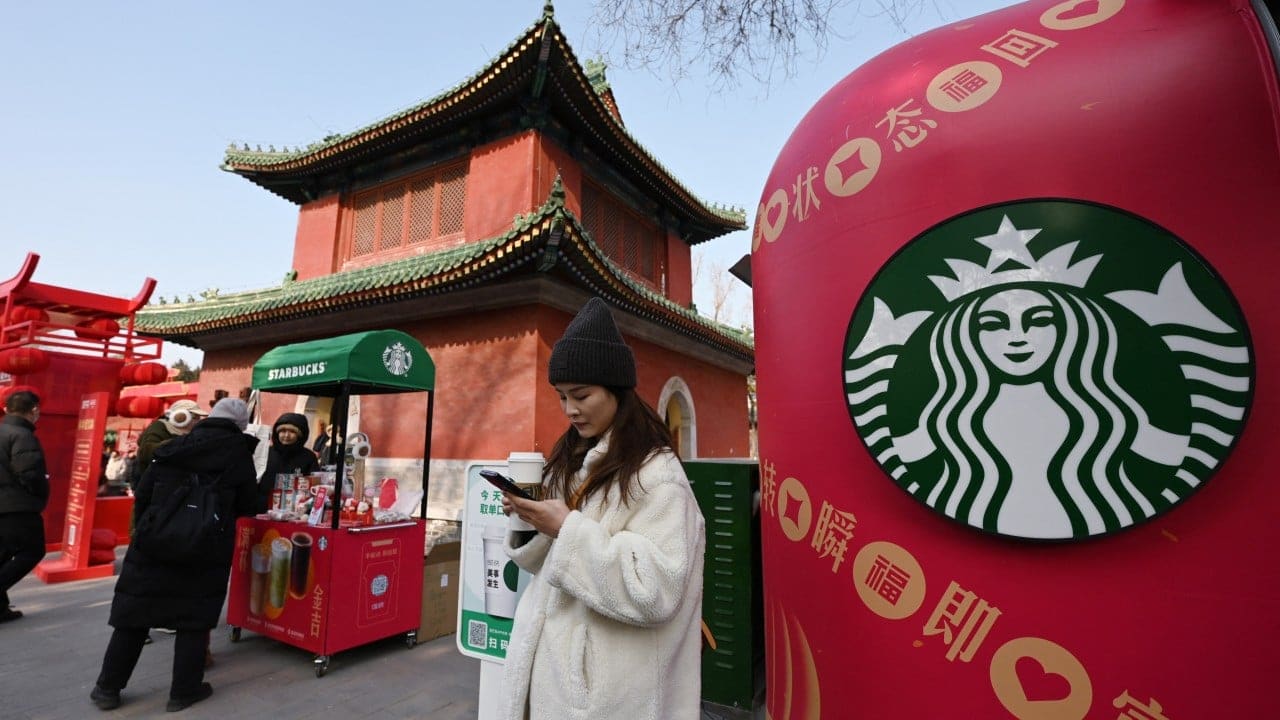
Starbucks has responded by experimenting with store formats tailored to specific Chinese contexts. Some locations now emphasize takeaway and delivery integration, recognizing that many customers prioritize convenience over lingering. Others feature expanded food menus that cater to local tastes, moving beyond pastries to include regional snacks and meal options.
In cities like Hangzhou, where technology adoption runs high and consumer preferences shift rapidly, Starbucks tests concepts that would seem foreign in its home market. Stores incorporate digital ordering kiosks, partner with local delivery apps more deeply, and adjust interior layouts to accommodate faster traffic flows.
The company has also leaned into premium offerings. Reserve Roastery locations in Shanghai and other major cities showcase high-end coffee experiences, targeting affluent consumers willing to pay for specialty beans and theatrical preparation methods. These flagship stores serve dual purposes: they generate revenue from premium products while reinforcing Starbucks' aspirational brand image.
Navigating Competitive Pressure
The strategic adjustments come as Starbucks faces intensifying competition in China. Luckin Coffee, which collapsed into bankruptcy in 2020 after an accounting scandal, has since reemerged and expanded aggressively through a delivery-first model and lower price points. Regional chains and independent cafes have carved out niches by emphasizing local identity and experimentation.
Starbucks still holds significant market presence, operating thousands of stores across hundreds of Chinese cities. Yet maintaining that footprint requires constant recalibration. The brand that once taught Chinese consumers what a coffeehouse could be must now learn from the market it helped build.
What Stays, What Changes
For customers like Anne, the evolution is tangible. The Hangzhou stores she frequents retain recognizable elements like the green mermaid logo and familiar drink names. But the atmosphere, the speed of service, and the mix of customers have shifted. The stores accommodate a wider range of behaviors, from quick pickups to extended meetings, reflecting a market that has moved beyond a single template.
Starbucks' challenge in China mirrors broader questions facing international brands in the region: how to preserve core identity while adapting to local dynamics, when to standardize and when to localize, and how to compete when the market you pioneered becomes crowded with imitators and innovators.
The company's willingness to redesign its China operations suggests it understands that past success offers no guarantee of future relevance. In a market where consumer preferences shift with remarkable speed, even the brand that introduced modern coffee culture must prove it can keep pace.
RELATED STORIES
Shein Stumbles in Hong Kong Debut After Years of IPO Delays
Cheng Wei-Lun · 3 min
China's Social Security Fund Doubles Offshore Holdings to $86 Billion
Jun-ho Seo · 3 min
From Tourism Graduate to Indonesia Electronics Distributor: Wook Eyes IPO
Cheng Wei-Lun · 3 min
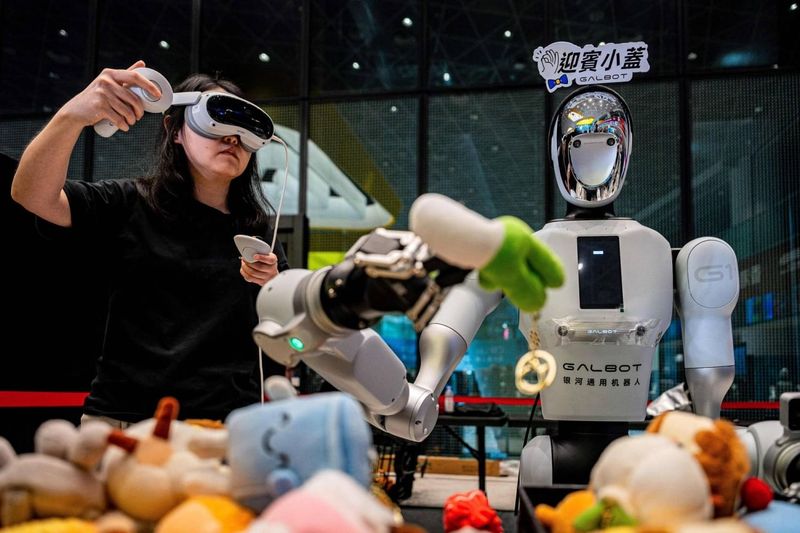
Hong Kong Debuts Robot-Run Convenience Store in Commercial Automation Push
Cheng Wei-Lun · 3 min
Spot something wrong? Email editor@briefasia.com. We log every correction publicly.