Asia · Business
Star Ferry Seeks 30 Percent Fare Increase to Offset Hong Kong Economic Pressures
The 128-year-old harbour operator has applied for its largest price adjustment in years while exploring pet-friendly services to shore up revenue
KEY TAKEAWAYS
- ·Star Ferry applied in March for a roughly 30 percent fare increase on its two Hong Kong harbour routes, citing economic pressures and rising operational costs.
- ·The operator is also exploring a pet-friendly service to diversify revenue as tourism recovery remains uneven and competition from MTR cross-harbour lines intensifies.
- ·Hong Kong's Transport and Housing Bureau is reviewing the application, with a decision expected in the third quarter after stakeholder consultations.
Fare Application Under Review
Star Ferry submitted an application in March for a fare increase of approximately 30 percent across its two harbour routes, according to government documents presented before a Legislative Council session on July 17. The request marks one of the steepest proposed adjustments in recent memory for the operator, which has linked Hong Kong Island and Kowloon since 1898.
The company cited sustained economic pressures and rising operational costs as primary drivers behind the application. Hong Kong's tourism recovery has remained uneven following pandemic-era border closures, while inflation has pushed up labour and fuel expenses across the transport sector.
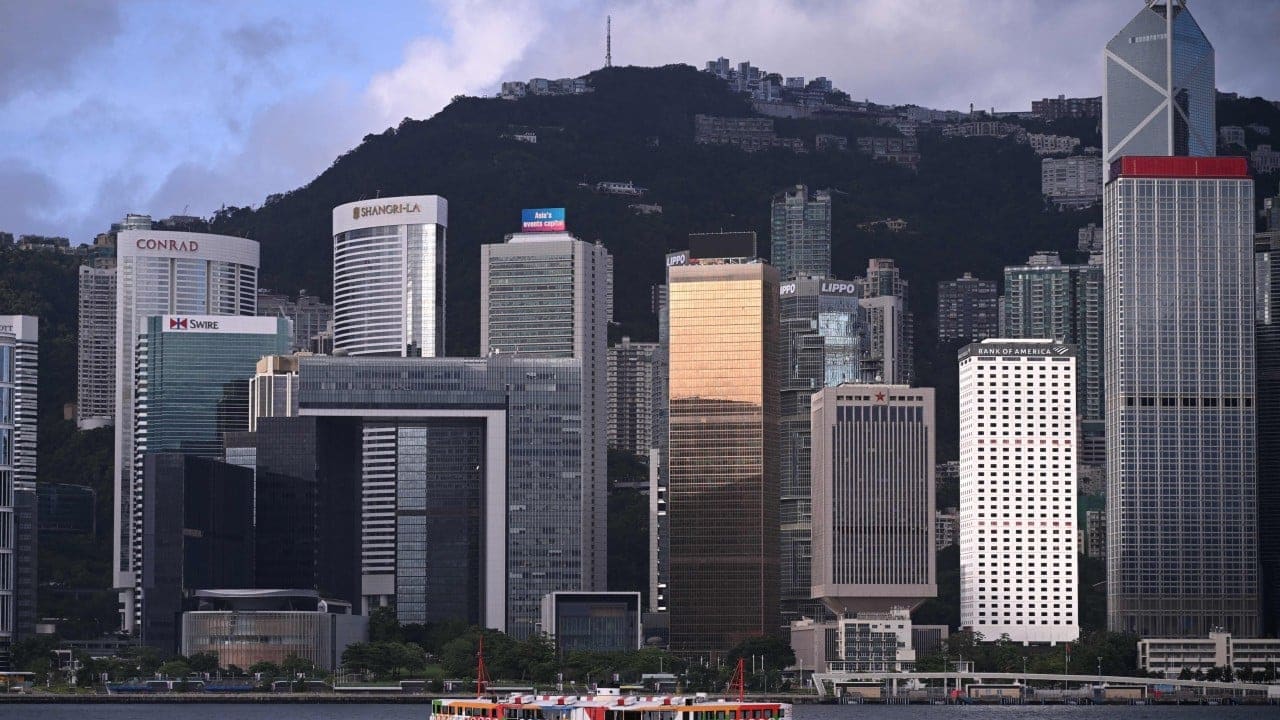
Star Ferry's two routes connect Central with Tsim Sha Tsui and Wan Chai with Tsim Sha Tsui, carrying a mix of daily commuters, tourists and residents who value the harbour crossing for its speed and cultural significance. The operator has long occupied a unique position in Hong Kong's transport network, serving both functional and symbolic roles.
Exploring New Revenue Streams
Beyond fare adjustments, the ferry operator is evaluating a pet-friendly service option to diversify income. The proposal would allow passengers to bring small pets aboard designated sailings, tapping demand from Hong Kong's growing population of pet owners who face limited public transport options for travelling with animals.
The initiative reflects broader efforts by legacy transport operators across Asia to adapt business models in response to shifting consumer preferences and tighter margins. Similar pet-friendly transport pilots have launched in Tokyo and Seoul over the past two years, with varying degrees of uptake.
Star Ferry has not disclosed a timeline for rolling out the pet service or specified which routes might participate. The company indicated it would assess regulatory requirements and infrastructure modifications before moving forward.
Economic Context
Hong Kong's transport operators have confronted a difficult operating environment since 2020. Cross-border travel restrictions during the pandemic sharply reduced passenger volumes, and the subsequent recovery has been slower than anticipated. Mainland Chinese visitor numbers remain below pre-2019 levels, while outbound travel by Hong Kong residents has increased, shifting spending away from local services.
Inflation in the city has compounded cost pressures. Fuel prices spiked in 2022 and have remained elevated, while wage growth in the transport sector has accelerated as companies compete for workers. Star Ferry, which operates a relatively small fleet and employs a modest workforce, has limited leverage to negotiate input costs.
The fare increase application now sits with Hong Kong's Transport and Housing Bureau, which will review the proposal and consult stakeholders before issuing a decision. Public consultations on transport fare adjustments typically draw vocal responses from commuter advocacy groups and district councils, particularly when increases exceed inflation.
A Brand Under Pressure
Star Ferry occupies an outsized place in Hong Kong's identity. The green-and-white vessels and their distinctive diesel engines feature prominently in tourism marketing, film and literature. The crossing itself offers unobstructed harbour views and remains one of the city's most affordable experiences for visitors.
Yet brand equity has not translated into financial resilience. The operator competes with the Mass Transit Railway's cross-harbour lines, which offer faster, air-conditioned travel at comparable prices. The ferry's appeal rests largely on nostalgia and the experience of an open-air harbour crossing, attributes that command limited pricing power in a cost-conscious market.
Tourism operators in Hong Kong have noted that Star Ferry remains a fixture on visitor itineraries, but spending per passenger is minimal. The ferry does not generate significant ancillary revenue from food, beverage or retail, unlike larger transport hubs or cruise operators.
Path Forward
The fare increase and pet-friendly service proposals represent two parallel strategies: one addresses immediate cost pressures, the other tests appetite for premium or differentiated offerings. Both carry risks. A steep fare rise could erode ridership among price-sensitive commuters, while a pet service might face logistical challenges and limited take-up.
Star Ferry's situation mirrors challenges faced by other heritage transport operators in Asia, from Manila's jeepneys to Bangkok's river ferries. Maintaining service continuity while adapting to modern economic realities requires balancing operational efficiency, regulatory constraints and public expectations.
The Legislative Council's July 17 session placed the fare application on the public record, triggering a formal review process that will likely extend into the third quarter. Star Ferry has not issued public commentary beyond the application documents, and government officials have signalled they will weigh commuter impact alongside the operator's financial sustainability.
For now, the 128-year-old ferry service continues its harbour crossings, navigating both literal and figurative waters as it seeks a path to long-term viability in a city that has changed dramatically since the first vessel set sail.
RELATED STORIES

Hong Kong Debuts Robot-Run Convenience Store in Commercial Automation Push
Cheng Wei-Lun · 3 min

Hong Kong Claims Top Asia Spot for High-Growth Startup Ecosystems
Cheng Wei-Lun · 4 min

Hong Kong Wealth Hub Resilient Despite Beijing Investment Restrictions
Cheng Wei-Lun · 3 min

Hong Kong Awards First Northern Metropolis Land to Mainland-Local Consortium
Cheng Wei-Lun · 3 min
Spot something wrong? Email editor@briefasia.com. We log every correction publicly.