Technology · Policy
SpaceX Starlink Opens Orders in Vietnam After Five-Year License Approval
Elon Musk's satellite internet service enters the Vietnamese market following regulatory exemptions on foreign ownership restrictions

KEY TAKEAWAYS
- ·SpaceX has opened Starlink orders in Vietnam under a five-year license, with Hanoi waiving typical foreign-ownership restrictions for telecommunications operators.
- ·The regulatory approval allows satellite internet access in rural and mountainous areas where traditional broadband infrastructure remains limited or cost-prohibitive.
- ·Vietnam's decision may influence other Southeast Asian markets weighing similar regulatory changes for foreign satellite operators seeking market entry.
Starlink Goes Live in Vietnam
SpaceX has begun accepting customer orders for its Starlink satellite internet service in Vietnam, according to the company's website. The move marks a significant entry into Southeast Asia's telecommunications sector for Elon Musk's space venture, which secured a five-year operating license from Vietnamese authorities.
The launch follows Hanoi's decision to waive foreign-ownership limits that typically restrict international players in the country's telecom sector. Vietnam's regulatory framework has historically maintained tight controls over telecommunications infrastructure, making the approval particularly noteworthy for foreign operators seeking access to the market of nearly 100 million people.
Regulatory Shift Enables Market Entry
Vietnam's decision to grant SpaceX an operating license represents a departure from traditional telecommunications policy in the country. Foreign companies have long faced strict ownership caps and licensing hurdles when attempting to enter Vietnam's telecom market, which has been dominated by state-linked operators and a handful of private firms with strong government ties.
The five-year license gives Starlink a defined window to build its customer base and establish service infrastructure across Vietnamese territory. The exemption from foreign-ownership restrictions removes a significant barrier that has kept other international satellite operators at bay.
Southeast Asia's Connectivity Gap
Vietnam's embrace of Starlink reflects broader challenges across Southeast Asia, where internet penetration remains uneven despite rapid urbanization. Rural and mountainous regions continue to struggle with limited broadband access, creating opportunities for satellite-based solutions that bypass traditional ground infrastructure.
Starlink's low-Earth orbit satellite constellation offers speeds and latency competitive with terrestrial broadband, making it an attractive option for areas where fiber-optic or cellular networks are impractical or cost-prohibitive to deploy. The service has already launched in several other Asian markets, including parts of the Philippines, Japan, and Thailand.
Regional Expansion Strategy
The Vietnam launch fits into SpaceX's broader push across Asia-Pacific, a region where government-controlled telecom sectors have historically limited foreign participation. Taiwan recently eased regulations governing foreign satellite operators, while Nepal has faced pressure from the United States to provide favorable treatment for Starlink operations.
For Vietnam, allowing Starlink could help accelerate digital infrastructure development without requiring massive public investment in ground-based networks. The satellite service may prove particularly valuable in the country's northern highlands and Mekong Delta areas, where challenging terrain complicates traditional buildouts.
Competitive Landscape
The entry of Starlink introduces a new competitive dynamic to Vietnam's telecommunications market. Domestic operators have invested heavily in 4G and 5G cellular networks, while state-owned enterprises maintain significant fiber-optic footprints in major cities. Satellite internet has traditionally served niche markets, but Starlink's pricing and performance metrics position it as a potential mainstream alternative.
Vietnam's decision also signals growing confidence in space-based telecommunications infrastructure. The country has expressed ambitions to develop its own satellite capabilities, with local conglomerates exploring space and satellite ventures.
The five-year license term provides both parties with flexibility. Vietnamese regulators can assess Starlink's impact on the domestic market and adjust policy accordingly, while SpaceX gains time to demonstrate the service's value and build a subscriber base before any renewal discussions.
As Southeast Asia's digital economy continues to expand, satellite internet may play an increasingly important role in bridging connectivity gaps. Vietnam's regulatory opening for Starlink could set a precedent for other countries in the region weighing similar decisions.
RELATED STORIES
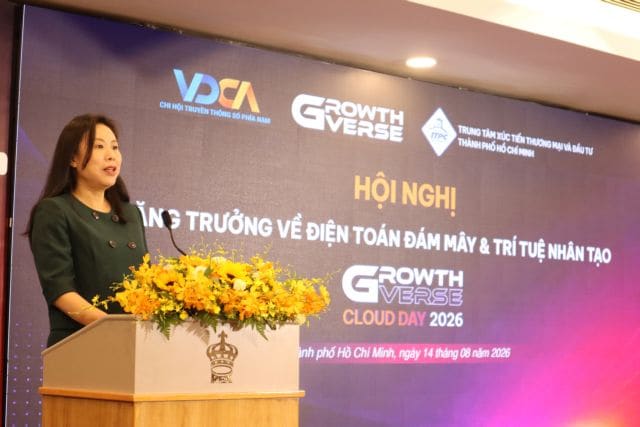
Vietnam's AI and Cloud Push Meets Hard Questions on ROI
Cheng Wei-Lun · 3 min
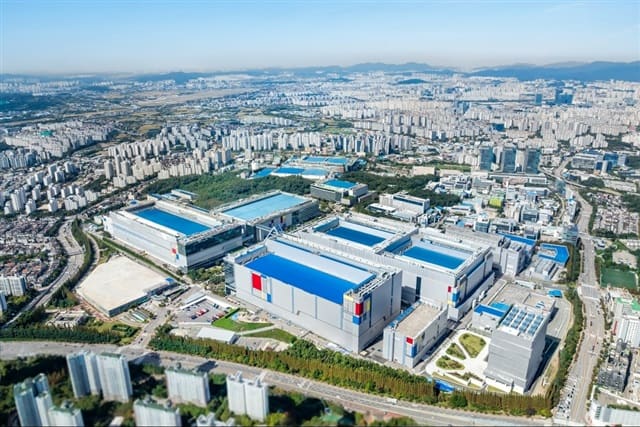
Samsung Eyes Vietnam for Legacy Memory Backend as HBM Demand Tightens Capacity
Cheng Wei-Lun · 3 min
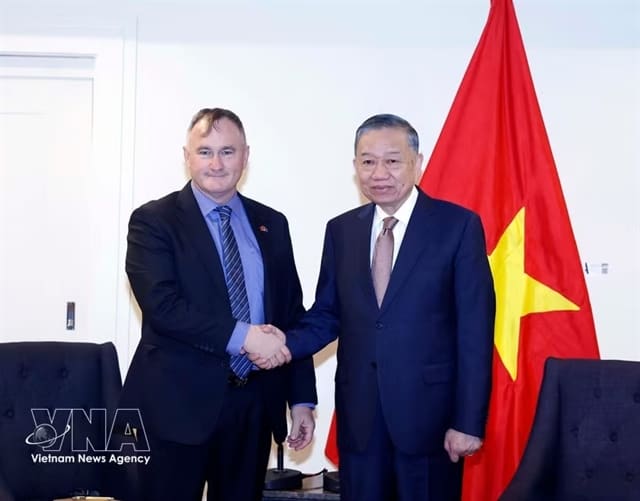
Vietnam's General Secretary Courts Australian Capital for Minerals and Tech
Priyanka V. Rao · 3 min
AI and Cloud Adoption Drive New Growth in Vietnam's Digital Economy
Cheng Wei-Lun · 3 min
Spot something wrong? Email editor@briefasia.com. We log every correction publicly.