Sustainability · Nature
Southeast Asia Holds 42 Million Hectares of Forest in Commercial Concessions
New research quantifies conservation potential inside logging and plantation areas, revealing carbon finance alone cannot justify switching from extraction to protection
KEY TAKEAWAYS
- ·Satellite analysis identified 42 million hectares of intact forest within 3,754 logging, oil palm, timber, and rubber concessions across Cambodia, Indonesia, Malaysia, and Myanmar.
- ·Carbon prices between 33 and 1,677 dollars per tonne would be required to make conservation financially competitive with commodity production, far above current five to 12 dollar market rates.
- ·Regulatory barriers prevent concession holders from protecting forest without risking land tenure, requiring policy reform alongside diversified conservation finance mechanisms.
Hidden Forest Estate
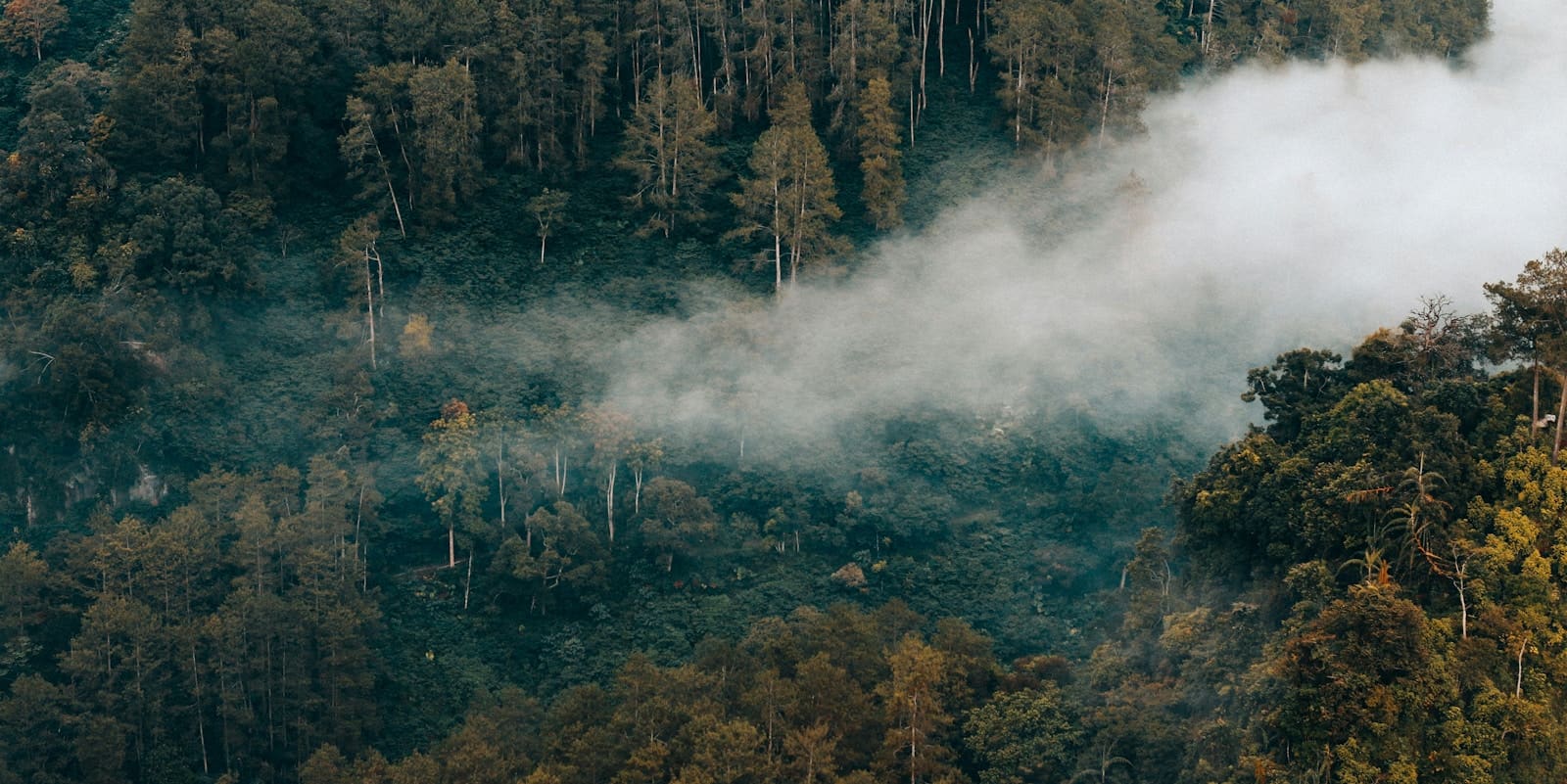
More than 42 million hectares of standing forest exists inside logging, oil palm, timber, and rubber concessions across Cambodia, Indonesia, Malaysia, and Myanmar, according to a study in Nature Communications. That area exceeds Malaysia's entire land mass, yet remains vulnerable to clearance under current economic incentives.
Researchers from the National University of Singapore and Nanyang Technological University examined satellite data covering 3,754 commercial concessions. Their analysis identified forest that, if cleared over the next 30 years, would release 1.2 gigatonnes of carbon dioxide. That volume matches one-fifth of all industrial emissions from the 11 ASEAN member states between 2000 and 2023.
Between 2001 and 2023, Southeast Asia lost nearly 68 million hectares of forest, much of it converted to plantations and agriculture. The new findings suggest a substantial conservation opportunity remains within working landscapes, provided concession holders receive adequate financial incentives to switch from extraction to stewardship.
The Price Gap
To determine whether conservation could compete with commodity production, the research team calculated break-even carbon prices for each concession type. Their results ranged from 33 to 1,677 US dollars per metric tonne of carbon dioxide.
Current avoided-deforestation credits in Southeast Asia trade between five and 12 dollars per tonne, according to the World Bank's 2026 State and Trends of Carbon Pricing report. Even the lower end of the study's range sits multiple times above prevailing market rates.
Yiwen Zeng, a conservation scientist at Nanyang Technological University and senior author of the study, noted that carbon finance plays a role but cannot shoulder the entire burden. Modest increases in carbon prices might make certain concession types, including some logging and timber operations, financially competitive with conservation. Oil palm conversions remain far more expensive to halt.
Annabel Lim, the study's lead author and a doctoral candidate at the National University of Singapore, emphasized the need for diversified funding streams. Blended finance structures that combine public or philanthropic capital with private investment could help close the gap, alongside green bonds, payments for ecosystem services, and biodiversity credit mechanisms.
Regulatory Roadblocks
Matthew Struebig, a conservation scientist at the University of Kent who was not part of the research team, described the study's spatial and financial analysis as a practical tool for assessing real-world conservation costs. He highlighted a critical regulatory barrier: many Southeast Asian governments issue concession licenses contingent on active commercial use.
Under-developing a concession to preserve forest could jeopardize a company's tenure, even if carbon revenue were available. Without policy reform allowing land-use reclassification, companies face legal and financial disincentives to protect forest, regardless of carbon price levels.
The study authors call for proactive forest policy and redirection of financial flows that currently favor industrial expansion. Subsidies, private lending, and investment supporting logging and agricultural conversion exceed the capital flowing toward conservation by wide margins. Redirecting even a fraction of that capital toward protection and sustainable intensification could shift the economic calculus, according to Lim.
Next Steps
Lim expressed interest in seeing on-the-ground demonstrations of mixed-finance models in practice. Case studies documenting design, management, and financial structure would provide blueprints for scaling conservation in concession landscapes. She also wants to understand how different financing mechanisms interact, particularly in varying regional and regulatory contexts.
Zeng framed the question for policymakers in broader terms. The issue is not simply whether conservation can outcompete commodity extraction, but whether the full suite of environmental, social, and long-term economic benefits from intact forests warrants greater public investment.
The study's findings arrive as Southeast Asian nations face mounting pressure to meet climate and biodiversity commitments. Engaging concession owners as conservation partners represents a necessary step, given the volume of forest under their control. Whether financial incentives and regulatory reform can converge to make that partnership viable remains an open question, one that will shape the region's forest cover for decades.
RELATED STORIES
Southeast Asian Firms Race to Raise Green Debt as Region Falls Behind on Renewables
Priyanka V. Rao · 3 min

Five ASEAN Members Back Regional Oil Stockpile as Study Nears Completion
Tran Quoc Bao · 3 min

Indonesian Digital Banks Outpace Regional Peers on Deposits and Loan Growth
Priyanka V. Rao · 3 min

Southeast Asia's Data Centre Rush Faces Power Grid Reality
Mariel D. Santos · 4 min
Spot something wrong? Email editor@briefasia.com. We log every correction publicly.