Asia · Trending
South Korean Job Seekers Turn to Japan Amid Domestic Employment Crunch
Group interviews in Seoul signal a growing trend as young professionals cross the strait in search of opportunities unavailable at home
KEY TAKEAWAYS
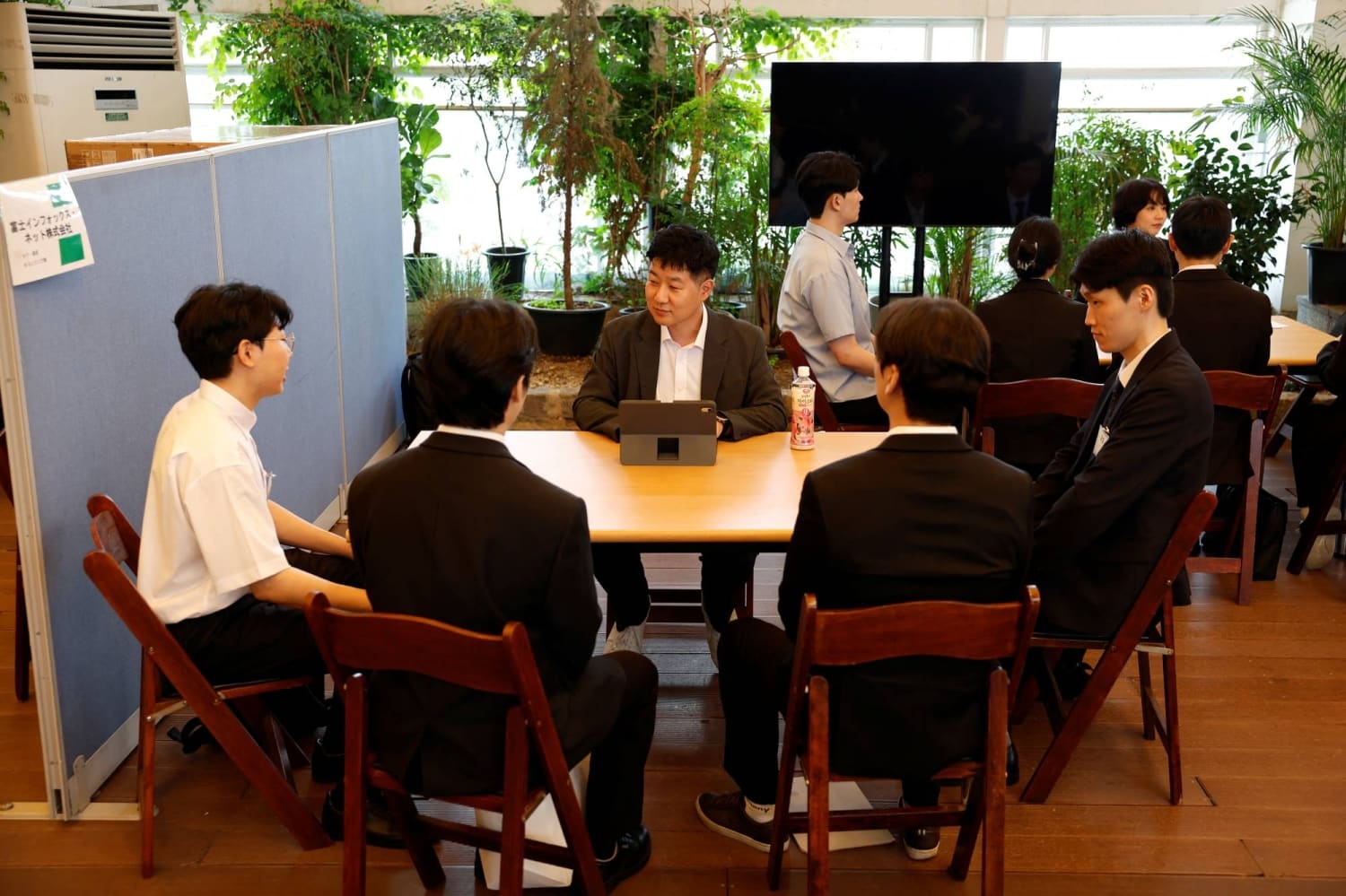
- ·Young South Koreans are attending job fairs in Seoul where Japanese firms conduct group interviews, reflecting a growing trend of cross-border job seeking driven by domestic employment challenges.
- ·South Korea faces elevated youth unemployment and intense competition for positions, while Japan experiences acute labor shortages across sectors due to an aging population and low birth rates.
- ·Japanese employers are offering competitive salaries, training programs, housing support, and clear career progression to attract South Korean talent, particularly in software, semiconductors, and engineering.
A Shift Across the Strait
Job fairs in Seoul now routinely feature representatives from Japanese firms conducting group interviews with South Korean candidates, a visible marker of shifting employment patterns in Northeast Asia. Last month, dozens of applicants gathered at such an event, part of a broader trend that has seen young South Koreans look beyond their domestic market for career opportunities.
The movement reflects structural pressures in South Korea's labor market. Youth unemployment has remained stubbornly elevated, and competition for positions at major conglomerates has intensified. At the same time, Japan faces acute labor shortages across sectors, from engineering and IT to hospitality and manufacturing, driven by an aging population and low birth rates.
The Numbers Behind the Trend
South Korea's youth unemployment rate has hovered near multi-year highs, with the country's statistics agency reporting figures that understate the true extent of joblessness among those in their twenties and early thirties. Many graduates delay their job search or pursue further education to avoid unfavorable employment conditions, a phenomenon that does not appear in headline unemployment data.
Japan, by contrast, has sustained near-record low unemployment and a chronic need for skilled workers. Japanese companies have begun actively recruiting in South Korea, offering competitive salaries, training programs, and pathways to permanent residency. The cultural and geographic proximity between the two countries lowers the barrier to relocation, even as historical tensions occasionally complicate bilateral relations.
What Japanese Employers Offer
Japanese firms attending recruitment events in Seoul emphasize stability and structured career progression, attributes that appeal to South Korean job seekers frustrated by precarious contract work and limited advancement at home. Many positions come with language training, housing support, and clear promotion timelines, benefits that are less common in South Korea's highly competitive entry-level market.
Industries with the highest demand include software development, semiconductor engineering, pharmaceuticals, and logistics. Some companies have established Korean-language recruitment teams and tailored onboarding processes to attract talent from across the strait. The outreach represents a strategic shift for Japanese employers, who historically relied on domestic labor pools and are now adapting to demographic realities.
Implications for Both Markets
The flow of young professionals from South Korea to Japan carries consequences for both economies. South Korea risks losing a generation of skilled workers at a time when its own population is aging and birth rates are among the lowest in the world. The departure of talent could exacerbate productivity challenges and reduce the pool of entrepreneurs and innovators.
For Japan, the influx of South Korean workers helps address immediate labor shortages and brings in employees who often share cultural familiarity and can integrate more quickly than workers from more distant regions. However, the reliance on external labor does not resolve underlying demographic issues and may delay necessary reforms in immigration policy and workplace culture.
Regional Labor Dynamics
The Seoul job fairs are part of a broader reconfiguration of labor markets across East Asia. Taiwan, Singapore, and Hong Kong have also become destinations for South Korean job seekers, though Japan's proximity and the scale of its labor needs make it a primary target. The trend underscores how mobility among educated workers is reshaping regional economies, with talent flowing toward markets that offer the most immediate opportunities.
South Korean policymakers have expressed concern about the brain drain, and some have called for reforms to make domestic employment more attractive. Proposals include reducing barriers to entry at large firms, improving work-life balance, and supporting startups that can absorb young talent. However, implementation has been slow, and many job seekers continue to prioritize immediate stability over long-term domestic prospects.
What Comes Next
The trajectory of South Korean migration to Japan will depend on economic conditions in both countries and on policy responses. If South Korea's labor market tightens and opportunities expand, the outflow may slow. Conversely, if Japan continues to streamline visa processes and actively court foreign talent, the trend could accelerate.
The recruitment events in Seoul represent more than a temporary fix for Japan's labor shortages. They signal a structural shift in how East Asian economies compete for talent, with geographic and cultural proximity enabling cross-border mobility that was less common a generation ago. For the young South Koreans attending those group interviews, Japan offers not just a job, but a pathway that feels increasingly out of reach at home.
RELATED STORIES

Japan Deploys $96.5 Billion in Currency Intervention to Halt Yen's Slide
Aiko Nakamura · 3 min
South Korea's Export Surge Powers Economic Upturn Through Third Quarter
Jun-ho Seo · 4 min
South Korea Targets $40,000 Per Capita Income as GDP Growth Accelerates
Jun-ho Seo · 4 min
South Korea Breaks Full-Year Export Record in September
Tran Quoc Bao · 3 min
Spot something wrong? Email editor@briefasia.com. We log every correction publicly.