Asia · Business
South Korean Garment Maker Closes Java Factory, Retains Regional Footprint
PT Samwon Busana Indonesia will shut its Jepara unit on August 1, affecting 680 workers while maintaining operations in Central Java's Semarang facility.
KEY TAKEAWAYS
- ·PT Samwon Busana Indonesia will close its Jepara factory on August 1, displacing 680 workers after sustained pandemic-related losses.
- ·Indonesia's Industry and Manpower Ministries will monitor severance compliance and coordinate with industry groups to identify job opportunities for affected workers.
- ·The closure adds to 32,389 layoffs recorded in Indonesia's manufacturing sector during the first half of 2026 amid slowing demand and cost pressures.
Factory Closure Follows Pandemic Losses
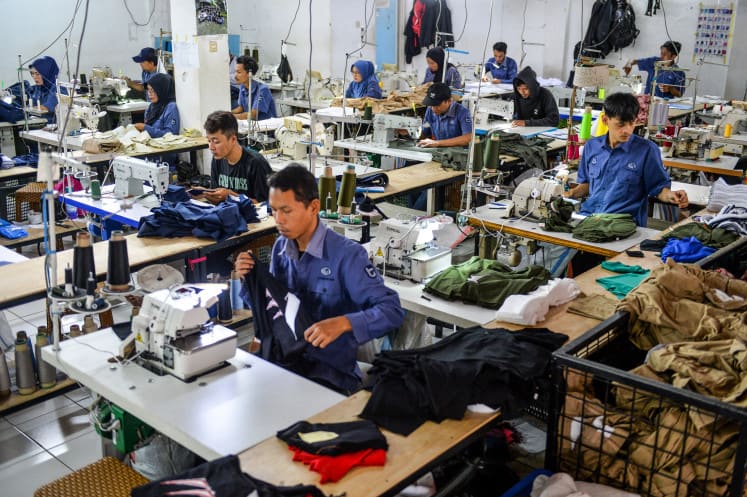
PT Samwon Busana Indonesia will permanently close its Jepara factory in Central Java on August 1, displacing approximately 680 workers. The South Korean-owned garment manufacturer has struggled with losses at the site since the coronavirus pandemic disrupted global supply chains and apparel demand.
The company will continue operating a separate business unit in Semarang, also in Central Java. Industry Ministry spokesman Febri Hendri Antoni Arif emphasized that the move represents a restructuring rather than a complete withdrawal from Indonesia.
The ministry plans to summon company management to review the financial circumstances behind the Jepara unit's closure, verify compliance with labor regulations, and assess plans for transferring orders and equipment to the Semarang location.
Government Coordinates Worker Protection
Indonesia's Industry Ministry will work with the Manpower Ministry to ensure the company meets all obligations to displaced workers. Authorities plan to monitor severance payments and other entitlements to verify they align with Indonesian labor law.
The government is also mobilizing support networks to help affected workers find new positions. The Industrial Human Resources Agency, Indonesian Textile Association, Indonesian Employers Association, and other garment manufacturers in Central Java will collaborate to identify job opportunities for the laid-off workforce.
Regional Manufacturing Under Pressure
The closure adds to a broader pattern of strain in Indonesia's manufacturing sector. Official data showed layoffs reached 32,389 in the first half of 2026 as the sector faced headwinds from slowing global demand and rising production costs.
Indonesia's textile and garment industry employs millions and ranks among the country's largest export earners, but producers have grappled with margin compression as buyers shift orders and labor costs climb. The sector has also faced competition from Vietnam and Bangladesh, where manufacturers have secured preferential trade access to key markets.
Central Java hosts a concentration of garment factories supplying international brands. The region's infrastructure and workforce have attracted foreign investment, but pandemic-era disruptions exposed vulnerabilities in firms dependent on export markets.
Balancing Investment and Labor Rights
Indonesia has worked to position itself as a stable manufacturing base in Southeast Asia, offering a large domestic market alongside export potential. The government's response to the Samwon closure reflects its effort to balance investor confidence with protection of worker rights.
Authorities have signaled they will scrutinize the company's compliance with severance requirements while facilitating its ongoing operations in Semarang. The dual approach aims to demonstrate that restructuring can occur within legal frameworks without deterring foreign capital.
The Jepara closure underscores the fragility of manufacturing employment in export-oriented industries. As global buyers adjust sourcing strategies and cost pressures mount, governments across Asia face similar challenges in retaining production capacity while safeguarding labor standards.
Indonesia's textile sector will need to navigate these dynamics as it competes for orders in a shifting landscape. The outcome for Samwon's displaced workers may set a precedent for how authorities handle future factory closures in labor-intensive industries.
RELATED STORIES
South Korea Breaks Full-Year Export Record in September
Tran Quoc Bao · 3 min

SK Chemicals Targets Europe's Can-Coating Shift After BPA Ban
Cheng Wei-Lun · 2 min

SK Hynix Union Rejects Wage Deal in Razor-Thin Vote
Cheng Wei-Lun · 3 min

Hyundai Motor Faces First Full-Day Strike in a Decade as Wage Talks Stall
Jun-ho Seo · 2 min
Spot something wrong? Email editor@briefasia.com. We log every correction publicly.