Finance · Markets
South Korea Spreads ETF Rebalancing to Calm Chip Stock Volatility
Industry body mandates staggered trades throughout the day to reduce closing-hour pressure on Samsung and SK Hynix shares
KEY TAKEAWAYS
- ·South Korea's financial industry will distribute leveraged ETP rebalancing trades across the trading day instead of concentrating them at market close to reduce volatility in chip stocks.
- ·Regulators are preparing broader curbs on single-stock leveraged products after a sharp semiconductor sell-off raised concerns about amplified price swings in Samsung and SK Hynix.
- ·Assets in single-stock leveraged ETPs in Seoul have more than doubled to 4.2 trillion won over eighteen months, prompting formal rule changes expected by September.
New Trading Window
South Korea's asset management industry will scatter leveraged exchange-traded product rebalancing trades throughout regular trading hours instead of bunching them near the closing bell, a structural shift designed to ease pressure on the country's biggest technology stocks.
The Korea Financial Investment Association announced Thursday that the new protocol takes effect immediately. Managers of single-stock leveraged ETPs had been executing daily rebalancing orders in the final minutes before market close, a practice that regulators now believe has been magnifying price swings in Samsung Electronics, SK Hynix, and other heavyweight names.
Under the revised framework, rebalancing activity will be distributed across the full trading session. The industry body did not specify exact time bands but emphasized that the goal is to eliminate the concentrated surge of orders that has been hitting the market between 3:00 p.m. and 3:30 p.m. Seoul time.
Regulatory Pressure Mounts
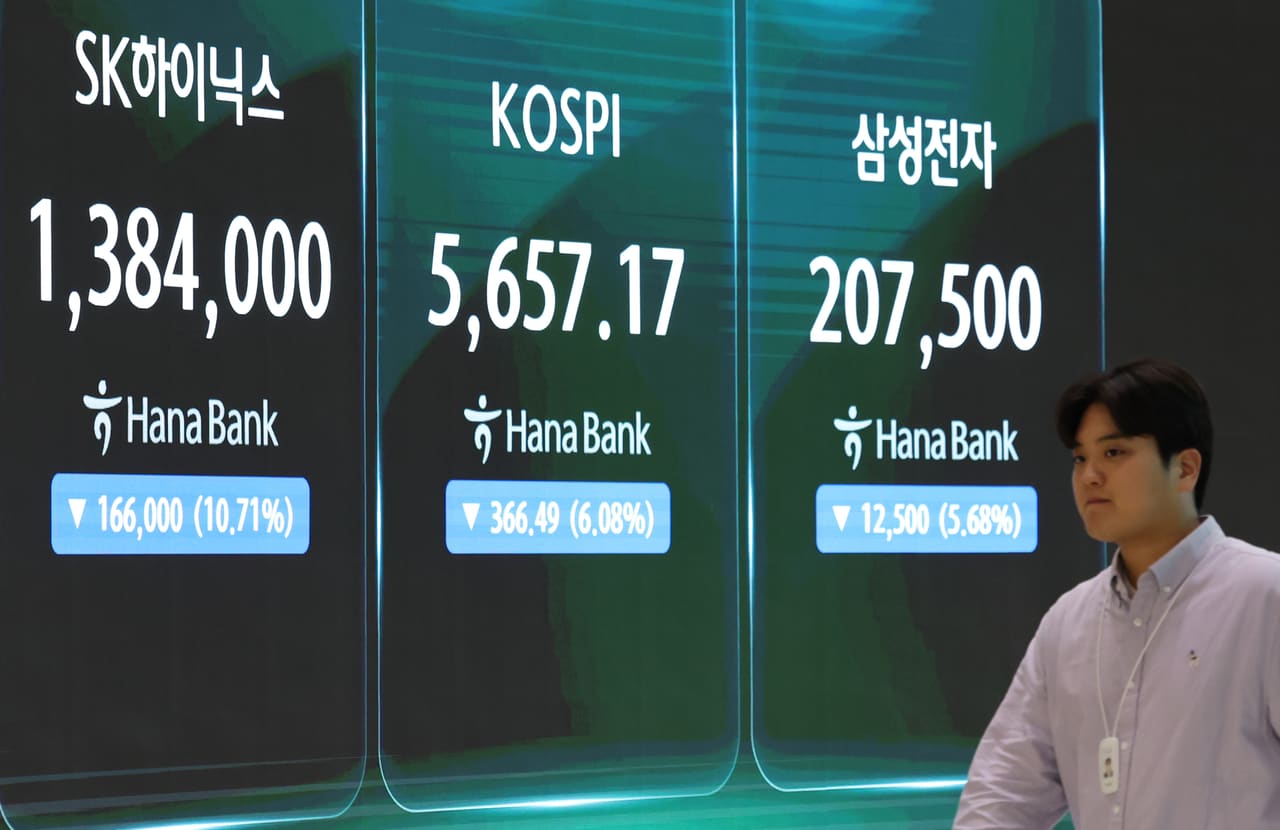
The move comes as South Korean authorities prepare a broader crackdown on leveraged products tied to individual equities. A sharp sell-off in semiconductor stocks earlier this month intensified scrutiny of whether these instruments were feeding back into underlying share prices and deepening intraday volatility.
Financial regulators have been examining trading data from the past six months and are expected to propose additional measures in the coming weeks. Options under review include stricter margin requirements for retail investors, caps on the notional exposure of single-stock ETPs, and enhanced disclosure of daily rebalancing volumes.
The chip sector has been especially sensitive. Samsung and SK Hynix together account for more than a quarter of the benchmark KOSPI index's market capitalization, and leveraged products tracking those two names have attracted heavy retail participation. On days when memory chip prices or earnings guidance shift, the rebalancing flows can represent a significant fraction of closing-auction volume.
Asia's Leveraged Product Boom
South Korea is not alone in grappling with the side effects of leveraged exchange-traded products. Japan's Financial Services Agency tightened rules on inverse and leveraged ETFs last year after similar concerns about end-of-day volatility. Taiwan's securities regulator has also been reviewing the structure of products linked to Taiwan Semiconductor Manufacturing Company shares.
The appetite for these instruments has grown across Asia as retail investors seek amplified exposure to technology stocks. Total assets in single-stock leveraged ETPs listed in Seoul have more than doubled over the past eighteen months, reaching approximately 4.2 trillion won by the end of June, according to data from the Korea Exchange.
Critics argue that the products create a mechanical feedback loop. When a stock rallies, leveraged ETPs must buy more shares at the close to maintain their target multiplier, pushing prices higher. The reverse occurs during sell-offs, potentially accelerating declines.
What Comes Next
The association's directive is voluntary but carries significant weight because all major asset managers in South Korea are members. Compliance will be monitored through daily trade reporting, and the regulator has made clear that firms failing to adopt the new approach will face closer examination.
Market participants expect the Financial Services Commission to follow up with formal rule changes by September. Those measures are likely to include mandatory stress testing for leveraged products, periodic reviews of retail investor suitability, and possible restrictions on launching new single-stock ETPs until the current review is complete.
For now, the industry is adjusting trading algorithms and internal risk controls to spread rebalancing activity. Whether the new approach will be enough to satisfy regulators and stabilize closing-hour volatility remains to be seen, but the shift marks the most concrete intervention yet in Seoul's leveraged-product market.
RELATED STORIES

Samsung Electronics Drops 8% as Market Questions Buyback Strategy
Cheng Wei-Lun · 2 min
South Korea Extends Trading Hours to Attract Foreign Capital
Anand Sundaram · 2 min
Seoul Stocks Drop on Mideast Tensions and Oil Price Surge
Tran Quoc Bao · 3 min
Index Funds Face Hidden Concentration Risk From AI Boom
Cheng Wei-Lun · 3 min
Spot something wrong? Email editor@briefasia.com. We log every correction publicly.