Real Estate · Homes
South Korea Eyes Property Tax Reform Based on Value, Not Ownership Count
Policymakers question whether single-home protections should extend to luxury apartments as regional disparities widen
KEY TAKEAWAYS
- ·South Korea is reconsidering its property tax system, which currently favors single-home owners regardless of property value, potentially shifting focus to total asset worth.
- ·A luxury Seoul apartment owner receives the same tax protections as a modest regional homeowner, while families with multiple lower-value provincial properties face penalties designed for speculators.
- ·The Ministry of Economy and Finance is discussing a value-based framework where exemptions and progressive rates would apply according to combined real estate holdings rather than property count.
A System Under Scrutiny
South Korea's property tax framework has long operated on a simple premise: owning one home qualifies you for preferential treatment, while owning multiple properties triggers higher tax rates and fewer exemptions. But that binary distinction is now facing its most serious challenge in years, as policymakers confront an uncomfortable reality: not all single-home owners are alike, and not all property portfolios serve the same purpose.
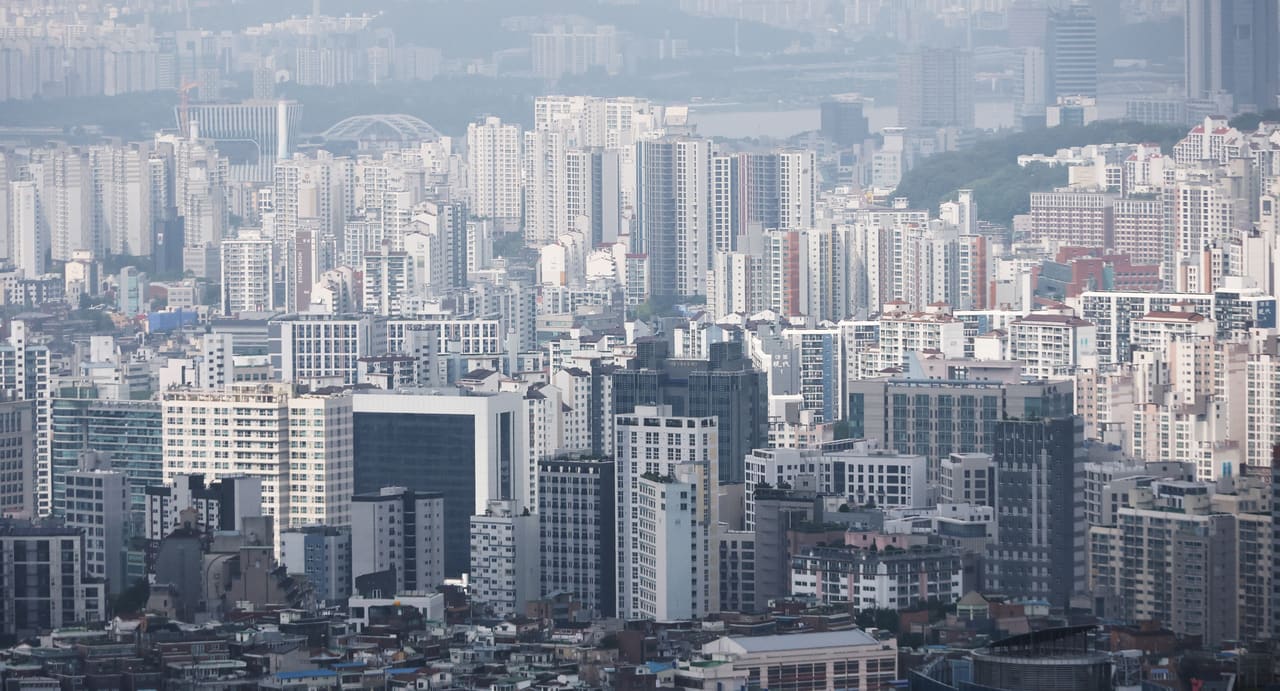
The debate centers on two scenarios that have exposed fault lines in the current system. A Seoul resident who owns a single luxury apartment valued at several million dollars enjoys the same tax protections as someone holding one modest home in a regional city. Meanwhile, a family with several lower-value properties spread across provincial areas faces the tax penalties designed for speculative investors, even if those homes serve legitimate needs.
The Price Gap That Changed the Conversation
Seoul's property market has diverged sharply from the rest of the country over the past decade. High-end apartments in districts like Gangnam and Seocho regularly trade above 3 billion won, while entire houses in cities like Daegu or Gwangju can be purchased for a fraction of that amount. This price disparity has created situations where aggregate holdings matter less than individual asset values.
The Ministry of Economy and Finance has begun internal discussions on whether the tax code should pivot toward total property value as the primary metric, rather than the number of homes owned. Under such a framework, exemptions and progressive rates would apply based on the combined worth of real estate holdings, regardless of whether that wealth is concentrated in one Seoul penthouse or distributed across several regional properties.
Regional Inequities
Provincial lawmakers have been particularly vocal about the current structure. They argue that residents in smaller cities often need multiple properties for legitimate reasons: a home in a rural ancestral village, a residence near work in a secondary city, and perhaps a small apartment for elderly parents. Under the existing regime, these individuals are taxed as if they were speculative accumulators, even when their total property wealth remains modest.
The single-home exemption, by contrast, has increasingly benefited affluent Seoul residents who concentrate their wealth in one high-value asset. These owners avoid the comprehensive real estate tax that kicks in for multiple-home holders, despite sitting on property portfolios worth more in absolute terms than many regional multi-home owners.
What a Value-Based System Might Look Like
Details remain preliminary, but officials have floated several principles for a reformed structure. Tax thresholds would be set according to total property value held by an individual or household, with progressive rates rising as aggregate holdings increase. The number of properties would become a secondary consideration, factored in only to distinguish between consolidated wealth and dispersed holdings.
Exemptions for primary residences could still exist, but they would likely be capped at a certain value. A homeowner whose sole property exceeds that threshold would pay tax on the portion above the cap, removing the current all-or-nothing treatment. The goal is to ensure that tax burdens align more closely with actual wealth rather than ownership structure.
Political and Practical Hurdles
Any overhaul will face resistance. Seoul homeowners who have benefited from single-home protections are a significant voting bloc, and they are unlikely to welcome higher tax bills. Real estate industry groups have also raised concerns about valuation consistency, arguing that a value-based system depends on accurate, up-to-date appraisals across thousands of local markets.
Timing adds another layer of complexity. South Korea's property market has cooled from its pandemic-era peaks, and transaction volumes remain subdued. Introducing a major tax change in a fragile market risks further dampening sentiment, though proponents counter that structural reform is easier to implement when prices are stable rather than surging.
Asia's Broader Tax Reckoning
South Korea is not alone in grappling with property tax design. Across Asia, governments are revisiting how they tax real estate as urbanization concentrates wealth in major cities and traditional ownership patterns give way to more complex portfolios. Singapore has repeatedly adjusted its additional buyer's stamp duty and progressive property tax rates to curb speculation. Hong Kong continues to refine its tiered system, balancing revenue needs with affordability concerns. Mainland China has piloted property tax trials in select cities, though nationwide implementation remains elusive.
The common thread is a recognition that ownership quantity alone is an imperfect proxy for wealth or speculative intent. As property markets mature and price disparities widen, tax systems built for an earlier era are showing their age. Whether South Korea's reassessment leads to legislative action or remains a policy discussion will become clearer in the coming months, but the questions driving it are unlikely to fade.
RELATED STORIES
South Korea Breaks Full-Year Export Record in September
Tran Quoc Bao · 3 min

SK Chemicals Targets Europe's Can-Coating Shift After BPA Ban
Cheng Wei-Lun · 2 min
Samsung Biologics Plans $2.2 Billion Rights Offering to Fund Peptide Acquisition
Jun-ho Seo · 3 min

South Korea Taps Three Telecom Giants to Deliver Free AI Services Nationwide
Cheng Wei-Lun · 3 min
Spot something wrong? Email editor@briefasia.com. We log every correction publicly.