Finance · Markets
South Korea's Producer Prices Flatten in June After Nine-Month Rally
Central bank data shows petroleum price declines offset gains in electronics, halting inflation momentum as Middle East tensions ease
KEY TAKEAWAYS
- ·South Korea's producer price index held flat in June 2026, the first pause after nine consecutive monthly increases that peaked at 2.7 percent in April.
- ·Declining petroleum prices offset rising costs in computer and electronics manufacturing, reflecting eased Middle East tensions and sustained semiconductor demand.
- ·The stabilization suggests near-term consumer inflation pressure may moderate, giving the Bank of Korea room to assess policy without immediate tightening urgency.
Inflation Momentum Stalls
South Korea's producer price index held flat in June, breaking a nine-month streak of increases as petroleum products cheapened while electronics manufacturing costs climbed, according to preliminary data released Wednesday by the Bank of Korea.
The index registered zero month-on-month change in June, down sharply from a 1 percent gain in May and 2.7 percent in April. The reading represents the first time since September 2025 that the gauge failed to post an advance, a shift the central bank attributes to cooling energy markets as geopolitical risk premiums receded in the Middle East.
Producer prices serve as a leading indicator for consumer inflation, tracking cost pressures manufacturers face before they reach retail shelves. The June plateau suggests that pipeline inflation may be moderating after accelerating through the spring.
Petroleum Pulls Back, Electronics Push Higher
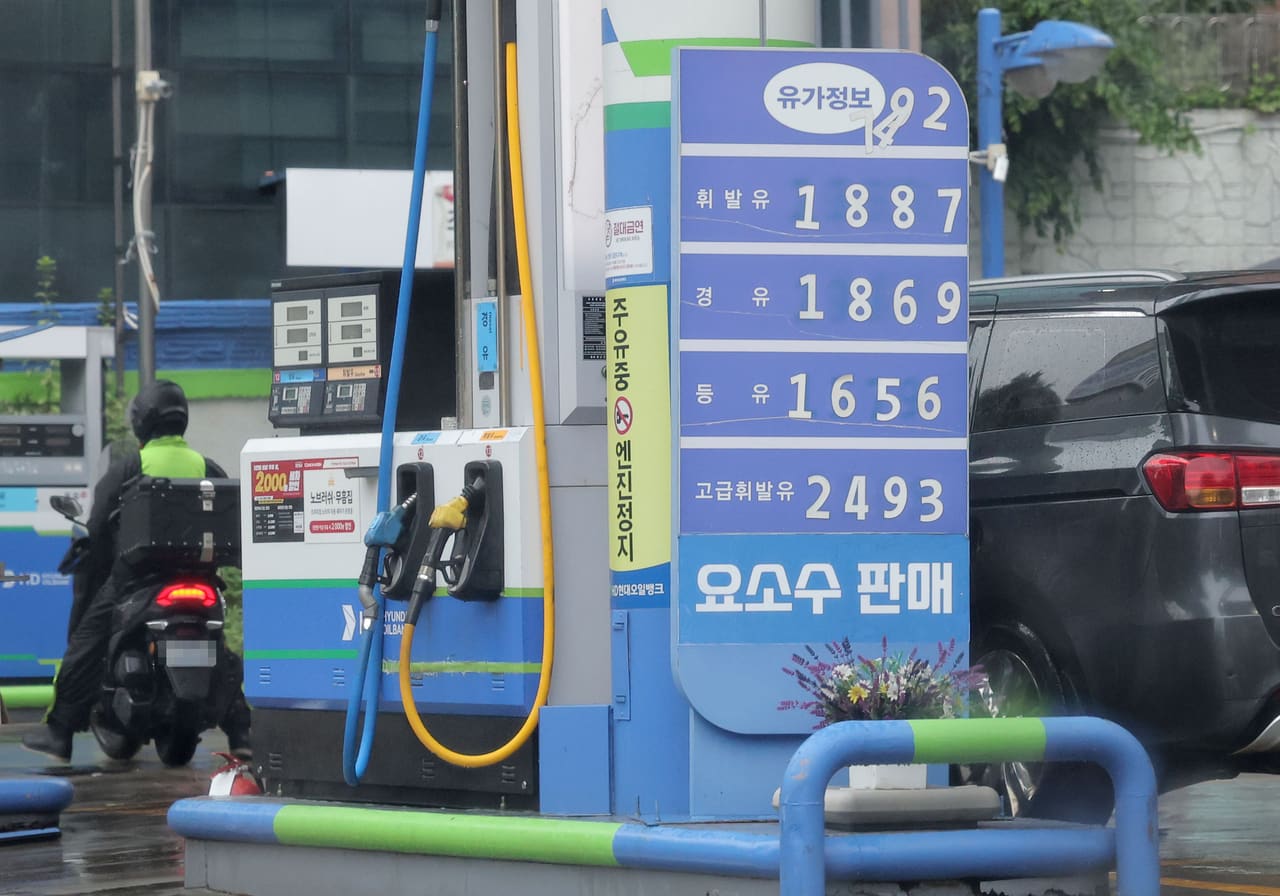
The stabilization reflects diverging trends across industrial sectors. Petroleum and refined products saw prices retreat as crude oil markets eased, unwinding some of the gains accumulated during earlier supply disruptions tied to tensions in the Gulf region.
At the same time, computer and electronics components posted increases, driven by sustained demand for semiconductors and memory chips. South Korea remains a dominant global supplier of these products, and pricing power in the sector has remained firm even as other input costs softened.
The offsetting movements left the aggregate index unchanged, masking volatility beneath the headline figure. Manufacturing sectors exposed to global commodity markets experienced relief, while technology-intensive industries continued to absorb higher costs tied to capacity constraints and robust order books.
Context: A Nine-Month Run
The June flatline follows an extended period of upward pressure. Producer prices had climbed every month from October 2025 through May 2026, reflecting a combination of recovering global demand, supply chain friction, and energy market volatility linked to Middle East instability.
April's 2.7 percent surge marked the peak of that run, coinciding with heightened crude oil prices and materials shortages. May's moderation to 1 percent hinted at the reversal that materialized fully in June.
The Bank of Korea tracks the producer price index as part of its broader inflation monitoring framework. While the gauge does not directly determine monetary policy, persistent producer price increases typically foreshadow consumer price acceleration, influencing the central bank's interest rate decisions.
What Easing Middle East Tensions Mean for Korean Manufacturers
The reference to eased tensions in the Middle East points to a shift in risk perception around energy supply. South Korea imports the vast majority of its crude oil and natural gas, making the economy sensitive to disruptions in Gulf shipping lanes and production facilities.
As diplomatic efforts stabilized conditions in recent weeks, futures markets for Brent and West Texas Intermediate crude retreated from earlier highs. That pullback flowed through to Korean refiners and petrochemical producers, lowering input costs and dampening one of the key drivers of producer inflation earlier in the year.
For export-oriented manufacturers, the petroleum price decline offers margin relief, particularly in sectors like plastics, chemicals, and transportation where fuel and feedstock costs weigh heavily on profitability.
Electronics Sector Holds Firm
The continued strength in computer and electronics pricing underscores the structural dynamics of South Korea's most critical export category. Global demand for memory chips, processors, and display panels has remained robust, supported by data center expansion, artificial intelligence infrastructure buildout, and consumer electronics replacement cycles.
Korean producers have maintained pricing discipline even as production capacity has gradually expanded, reflecting tight global supply-demand balances. The June increase in electronics component prices suggests that the sector has not yet entered a downturn phase, a positive signal for the broader economy given its outsized role in exports and GDP.
Implications for Consumer Inflation
The flattening of producer prices in June reduces near-term pressure on consumer inflation, though the lag between wholesale and retail price changes means the full effect will take weeks to materialize. The Bank of Korea has been navigating a delicate balance between supporting growth and containing inflation, and stabilizing upstream costs provide modest room for policy patience.
If producer prices continue to moderate or decline in the coming months, the central bank may gain confidence that inflationary pressures are subsiding without additional tightening. Conversely, any resurgence in commodity costs or renewed supply shocks could reignite the upward trend and complicate policy choices heading into the second half of 2026.
The June data marks a pivot point. Whether it represents a temporary pause or the start of a sustained cooling will depend on energy market trajectories, semiconductor demand durability, and broader global economic conditions.
RELATED STORIES

Samsung Electronics Drops 8% as Market Questions Buyback Strategy
Cheng Wei-Lun · 2 min
Samsung Biologics Plans $2.2 Billion Rights Offering to Fund Peptide Acquisition
Jun-ho Seo · 3 min
Seoul Markets Tumble as Tech Selloff Ripples Across Asia
Cheng Wei-Lun · 3 min
Asian Equities Climb Despite Bond Market Turbulence
Cheng Wei-Lun · 3 min
Spot something wrong? Email editor@briefasia.com. We log every correction publicly.