Asia · Business
South Korea's Industrial Output Surges 2.3 Percent in June
Auto production rebound and semiconductor recovery drive the fastest expansion in six years, with all three key economic indicators rising together for the first time since March.
KEY TAKEAWAYS
- ·South Korea's all-industry production index rose 2.3 percent in June, the fastest monthly gain in six years, driven by automobile and semiconductor sector rebounds.
- ·Production, retail sales, and facility investment all increased together for the first time since March, signaling broad-based momentum across the economy.
- ·The sustainability of the recovery hinges on external demand from key export markets, particularly China, and the durability of the semiconductor upturn amid global technology spending volatility.
Production Rebounds Across Key Sectors
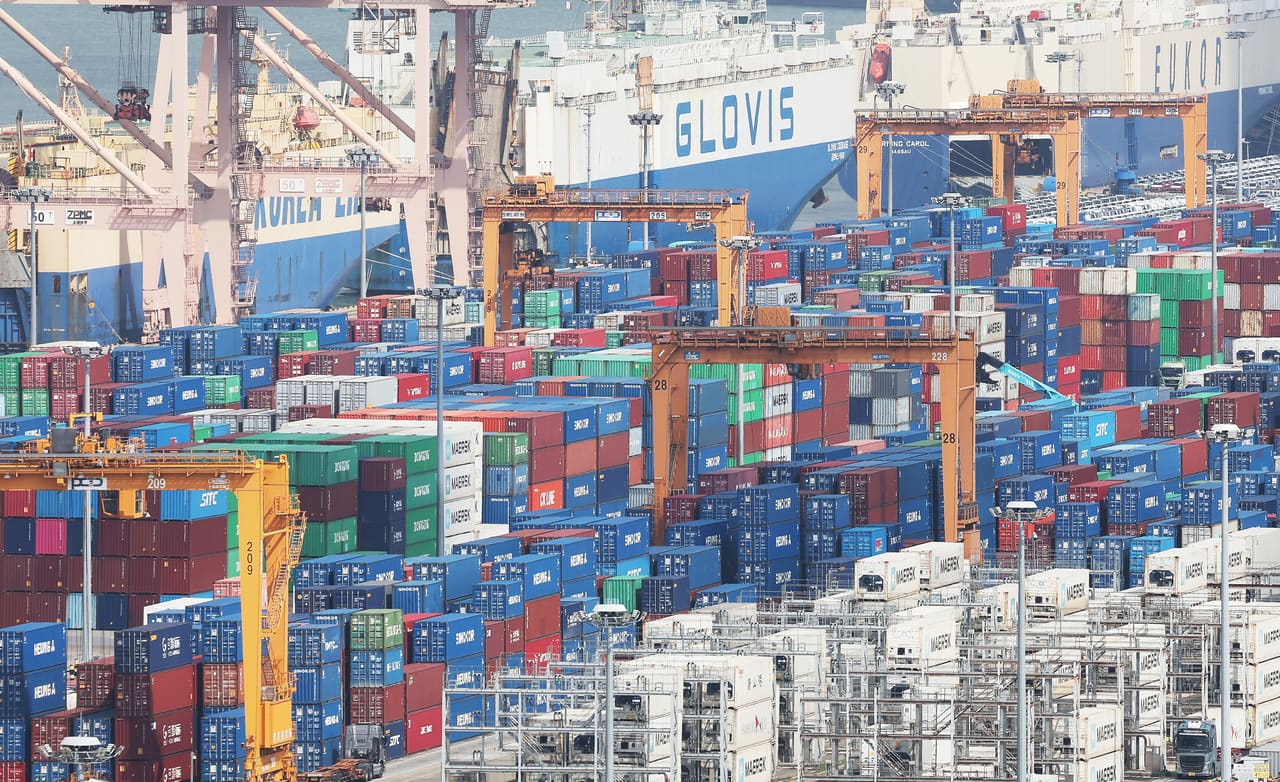
South Korea's all-industry production index climbed 2.3 percent in June on a seasonally adjusted basis, marking the strongest monthly expansion in six years, according to the Ministry of Data and Statistics. The gain reflects a sharp turnaround in automobile manufacturing alongside renewed growth in semiconductor output, two pillars of Asia's fourth-largest economy.
The June figure represents a notable acceleration from the subdued pace of recent months. Production, retail sales, and facility investment all posted simultaneous increases, a convergence not seen since March. The breadth of the advance suggests underlying momentum is building across multiple segments of the industrial economy.
Autos and Chips Lead the Advance
Automobile production delivered the most pronounced contribution to June's headline number. Manufacturing activity in the sector rebounded after disruptions that had weighed on output in prior months, including supply-chain bottlenecks and labor negotiations that had slowed assembly lines. The recovery rippled through related industries, lifting demand for components, logistics services, and industrial materials.
Semiconductor production also returned to positive territory after months of contraction. South Korean chipmakers, which supply memory and logic chips to global electronics manufacturers, have faced headwinds from inventory corrections and weaker demand in key export markets. The June upturn suggests destocking cycles may be nearing completion, though the sustainability of the recovery remains uncertain given volatility in global technology spending.
Consumption and Investment Strengthen
Retail sales advanced in June, reflecting firmer household spending. The increase coincides with a modest improvement in consumer sentiment, supported by stable employment conditions and easing inflation pressures. Categories tied to discretionary spending, including durables and electronics, showed particular strength.
Facility investment, a forward-looking indicator of business confidence, also rose during the month. Companies expanded capital expenditure on machinery and equipment, particularly in sectors tied to export manufacturing. The pickup in investment suggests firms are positioning for sustained demand, though caution remains given external uncertainties including trade policy shifts and fluctuating commodity prices.
Regional Context and Export Outlook
The production gains come as South Korea navigates a challenging external environment. Demand from China, the country's largest trading partner, has been uneven, with property sector weakness and subdued consumer spending offsetting stimulus measures. Meanwhile, competition in key export categories, especially semiconductors and electric vehicles, has intensified as regional rivals scale up capacity.
Still, the June data offer a counterpoint to concerns about a broader slowdown in Northeast Asian manufacturing. Taiwan and Japan have reported mixed industrial trends in recent months, with electronics production showing pockets of strength while traditional manufacturing sectors face headwinds. South Korea's ability to post broad-based gains underscores the resilience of its diversified industrial base.
The semiconductor recovery, in particular, carries implications for the region's technology supply chains. South Korean chipmakers occupy critical nodes in global production networks, supplying components for everything from smartphones to data centers. A sustained upturn in chip output would support activity across electronics hubs in Southeast Asia and reinforce expectations for a second-half recovery in technology hardware demand.
What Comes Next
The simultaneous rise in production, consumption, and investment offers a constructive signal, but sustaining the momentum will depend on external demand holding up. Export orders, which drive a significant share of industrial activity, remain sensitive to shifts in global trade flows and technology cycles. Any deterioration in demand from major markets could quickly reverse recent gains.
Policymakers in Seoul will be watching closely for confirmation that June's advance represents the start of a sustained upturn rather than a one-month anomaly. The government has maintained accommodative fiscal and monetary settings to support growth, but rising household debt and persistent inflation risks limit the room for additional stimulus.
For investors and executives tracking Asian industrial trends, South Korea's June performance provides a tentative sign that the region's manufacturing engine may be stabilizing after months of uncertainty. Whether this translates into a durable expansion will become clearer as second-quarter GDP data and third-quarter production figures emerge in the weeks ahead.
RELATED STORIES
South Korea Breaks Full-Year Export Record in September
Tran Quoc Bao · 3 min
SK Hynix Union Rejects Wage Deal in Razor-Thin Vote
Cheng Wei-Lun · 3 min
South Korea's Export Surge Powers Economic Upturn Through Third Quarter
Jun-ho Seo · 4 min
Samsung and SK Hynix Turn Down KEPCO's Multibillion-Dollar Prepayment Demand
Cheng Wei-Lun · 4 min
Spot something wrong? Email editor@briefasia.com. We log every correction publicly.