Asia · Politics
South Korea Holds Fuel Price Caps Steady as Mideast Tensions Flare
Government maintains current ceiling on gasoline, diesel, and kerosene prices for four weeks while monitoring regional energy volatility
KEY TAKEAWAYS
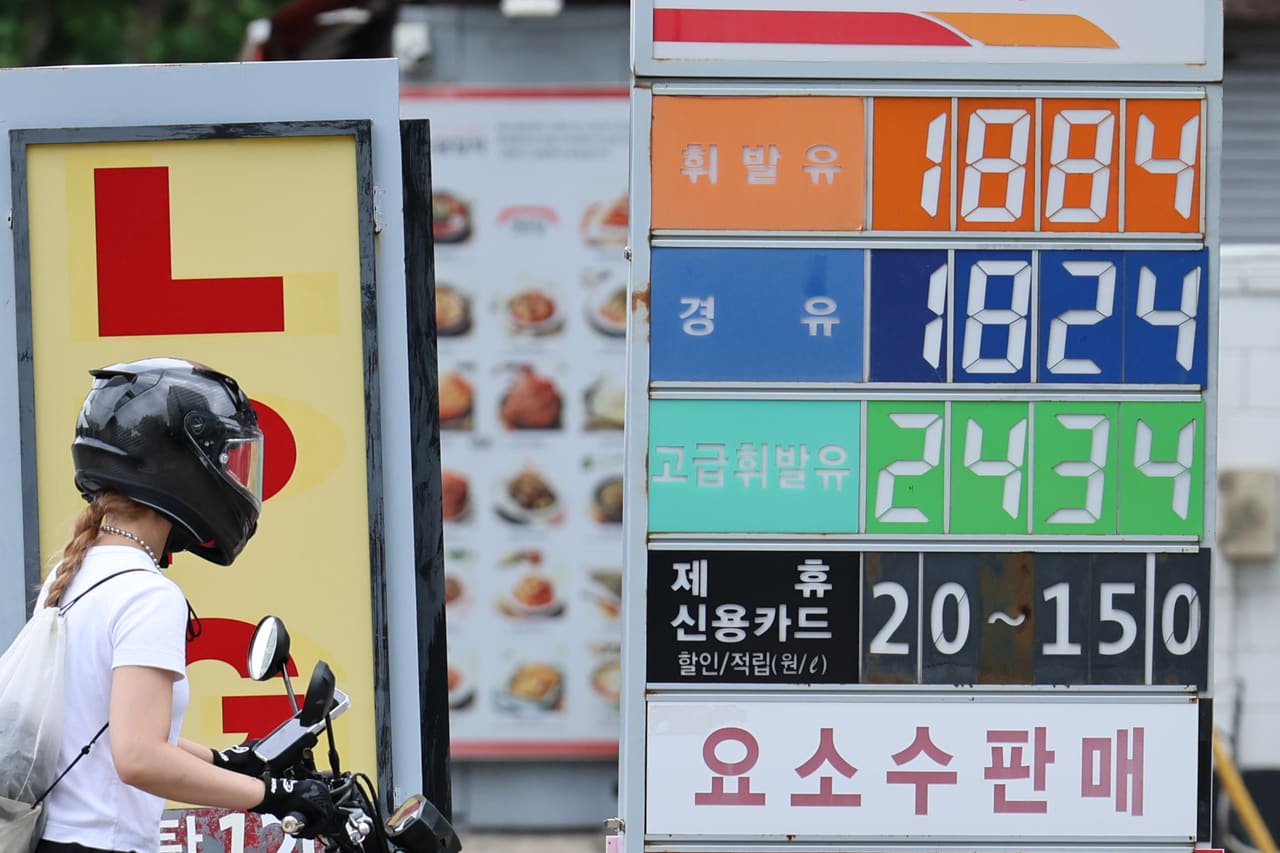
- ·South Korea maintained fuel price caps at 1,784 won per liter for gasoline, 1,773 won for diesel, and 1,380 won for kerosene through mid-August.
- ·The decision balances consumer protection against refiner margins as Middle East tensions threaten oil supply chains in a country that imports nearly all its crude.
- ·The government will reassess caps in four weeks, with potential adjustments if international crude prices spike or currency shifts raise import costs.
Price Caps Remain in Place
South Korea has opted to maintain existing fuel price ceilings for the next four weeks, keeping maximum prices for gasoline, diesel, and kerosene at their current levels despite escalating geopolitical tensions in the Middle East. According to the Ministry of Trade, Industry and Resources, the price caps for regular gasoline, diesel, and kerosene supplied to service stations will stay at 1,784 won ($1.21), 1,773 won, and 1,380 won per liter respectively.
The decision takes effect Saturday and marks a cautious stance by Seoul as energy markets remain jittery over potential supply disruptions from the region that accounts for roughly a third of global oil exports.
Energy Security Calculus
The unchanged caps reflect a delicate balancing act for South Korean policymakers. The country imports nearly all of its crude oil, with significant volumes originating from Saudi Arabia, Kuwait, and the United Arab Emirates. Any sustained spike in international benchmarks would squeeze margins for the country's four major refiners - SK Energy, GS Caltex, S-Oil, and Hyundai Oilbank - while also straining household budgets.
South Korea introduced the price cap mechanism in 2021 as a temporary measure to shield consumers from volatile global energy costs. The system sets maximum wholesale prices that refiners can charge retailers, effectively capping what drivers pay at the pump. The government reviews these ceilings every four weeks, adjusting them based on international crude prices, refining margins, and domestic economic conditions.
Regional Context
The decision comes as other Asian economies grapple with similar trade-offs. Japan has extended fuel subsidies through September, while India continues to absorb price shocks through state-owned oil marketing companies. Thailand recently adjusted its diesel subsidy scheme, and Indonesia has signaled it may revisit fuel pricing policies if Brent crude sustains levels above $85 per barrel.
For South Korea, the stakes extend beyond consumer relief. The country's manufacturing-heavy economy depends on stable energy inputs, and sudden cost increases ripple through supply chains in petrochemicals, steel, and logistics. The government has repeatedly emphasized that energy price stability is a strategic priority, particularly as inflation remains above the central bank's target range.
What Happens Next
The Ministry of Trade, Industry and Resources has indicated it will continue monitoring international oil markets closely and stands ready to adjust the caps if conditions warrant. Factors under review include Brent and Dubai crude price trajectories, refining crack spreads, and currency fluctuations that affect import costs.
Industry observers note that sustained Middle East instability could force Seoul's hand within the next review cycle. If international prices climb sharply, the government faces a choice: absorb the difference through fiscal support to refiners, pass costs through to consumers by raising caps, or implement targeted subsidies for vulnerable households and commercial transport operators.
For now, the status quo holds. But with energy markets on edge and the next review scheduled for late August, South Korea's fuel pricing policy remains a live issue for both policymakers and the millions of drivers navigating one of Asia's most car-dependent economies.
RELATED STORIES
South Korea's Alcohol Production Hits 27-Year Low as Wellness Trends Reshape Drinking Culture
Cheng Wei-Lun · 3 min

SK Chemicals Targets Europe's Can-Coating Shift After BPA Ban
Cheng Wei-Lun · 2 min
South Korea Breaks Full-Year Export Record in September
Tran Quoc Bao · 3 min
SK Hynix Union Rejects Wage Deal in Razor-Thin Vote
Cheng Wei-Lun · 3 min
Spot something wrong? Email editor@briefasia.com. We log every correction publicly.