Asia · Business
SK Hynix Workers Form Unified Union as Bonus Dispute Deepens
Nearly 2,500 employees have joined the cross-functional labor group seeking majority status to challenge management's shift from cash to stock-based compensation
KEY TAKEAWAYS
- ·SK Hynix workers have formed a unified union with nearly 2,500 members, aiming for majority status to control collective bargaining across the chipmaker's 35,000-employee South Korean operations.
- ·The dispute centers on SK Hynix's proposal to shift employee bonuses from cash to stock, despite a 2025 agreement to allocate 10 percent of operating profit as cash bonuses for 10 years.
- ·The move follows Samsung Electronics' May 2026 deal that allocated 10.5 percent of semiconductor operating profit to stock-based bonuses, setting a precedent across Korea's chip industry.
A New Labor Front Opens
Workers at SK Hynix have established a unified labor union in South Korea, breaking from the chipmaker's tradition of fragmented, job-specific representation. The move follows government approval and arrives as the company and its existing unions remain deadlocked over annual wage negotiations.
According to the union, nearly 2,500 employees have signed up since its formal launch. That figure represents roughly 7 percent of SK Hynix's 35,000-strong South Korean workforce. The organization aims to enroll more than half the company's employees to secure majority union status, a threshold that would grant it primacy in collective bargaining.
Unlike SK Hynix's existing unions, which organize around specific job categories or individual plant locations, the new body seeks to represent workers across the chipmaker's entire Korean footprint. That includes factory employees in Icheon and Cheongju, as well as technical and administrative staff at headquarters and research facilities.
The Cash-to-Stock Flashpoint
The immediate catalyst is a contentious shift in bonus structure. SK Hynix agreed with its union in 2025 to allocate 10 percent of annual operating profit to employee bonuses paid in cash, under a 10-year framework. The chipmaker posted record quarterly profits earlier this year on surging demand for high-bandwidth memory used in artificial intelligence infrastructure.
This year, however, SK Hynix proposed paying the majority of those bonuses in company shares rather than cash. The move mirrors a similar agreement Samsung Electronics reached with its own unionized workers earlier in 2026. Samsung allocated 10.5 percent of its annual semiconductor operating profit to special bonuses for chip division employees, paid in stock with restrictions on immediate sale of more than half the shares.
Park Ji-soon, a social security law professor at Korea University's School of Law, noted that the launch could trigger competition among unions for members. Securing majority status is essential to controlling collective bargaining, he explained. He added that a pivot toward stock-based bonuses might prompt unions to pursue alternative benefits such as housing loans comparable to those offered by Samsung Electronics.
Investor and Management Calculus
The 10 percent profit-sharing commitment has drawn scrutiny from investors who question whether the arrangement diverts capital that could otherwise fund research and development or shareholder returns. SK Hynix has not disclosed how it plans to balance the bonus obligation with its capital expenditure roadmap, which includes new fabrication capacity for advanced DRAM and NAND products.
Kim Yong-jin, a management professor at Sogang University, observed that while workers' concerns over stock compensation are understandable given the volatility of Korean equities, equity-based bonuses are standard practice in the United States. He suggested that aligning employee incentives with share performance could foster longer-term thinking among the workforce.
Regional Context and Precedent
The Samsung Electronics agreement in May averted a major strike that had threatened to disrupt global semiconductor supplies. That deal set a benchmark for the Korean chip industry, where labor relations have historically been less confrontational than in other manufacturing sectors.
SK Hynix's situation is complicated by its recent financial performance. The company has benefited from a sharp recovery in memory pricing and robust orders for its HBM3E modules, which are used in NVIDIA's data center accelerators. Analysts expect SK Hynix to report operating margins above 30 percent for the second quarter of 2026, a level not seen since the previous upcycle in 2018.
The unified union's emergence reflects broader labor dynamics in South Korea's technology sector. Employees at major conglomerates have grown more assertive as profitability has rebounded, seeking a larger share of windfall gains. The government has signaled cautious support for collective bargaining rights while urging both sides to avoid disruptions that could undermine the country's position in global supply chains.
What Comes Next
The new union has not announced a specific timeline for recruiting additional members or filing for majority status. Under South Korean labor law, a union representing more than 50 percent of a company's workforce gains exclusive bargaining authority, sidelining smaller unions.
SK Hynix has not publicly commented on the unified union's formation. The company's existing unions continue to negotiate separately with management, and no strike action has been announced. Industry observers will watch whether the new organization can build momentum quickly enough to influence this year's wage settlement or whether it remains a minority voice.
For now, the standoff underscores the tension between capital allocation and compensation in a cyclical industry. SK Hynix's management must balance the expectations of a workforce that delivered record results with the demands of investors who prize operational flexibility and returns. How that balance is struck will shape labor relations across Korea's semiconductor sector for years to come.
RELATED STORIES
South Korea's Chip Design Talent Crunch Deepens as Memory Giants Chase HBM4 Engineers
Cheng Wei-Lun · 3 min
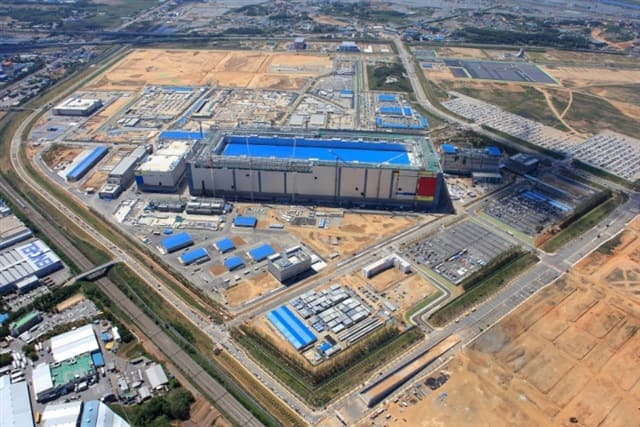
South Korea's Southwestern Chip Hub Set to Double in Size
Cheng Wei-Lun · 3 min

Starbucks Korea Reports $13.4 Million Loss After Tumbler Controversy
Cheng Wei-Lun · 2 min
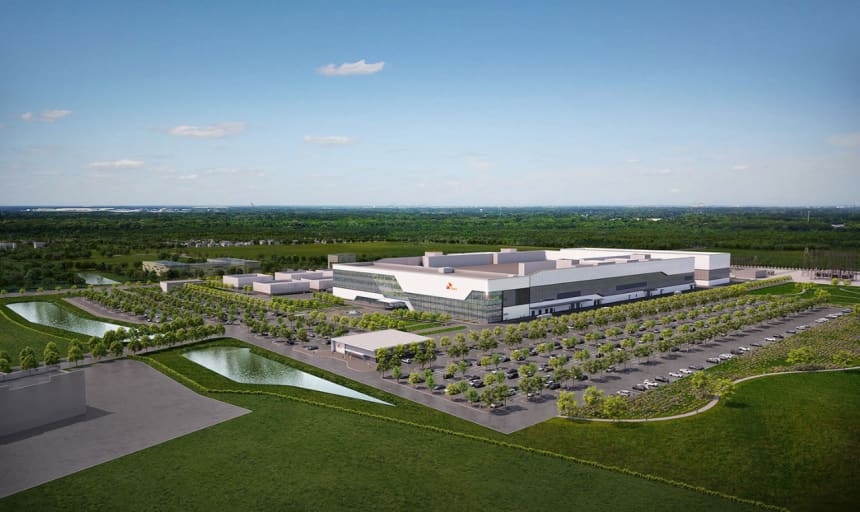
SK Hynix Breaks Ground on $3.9 Billion Chip Packaging Facility in Indiana
Cheng Wei-Lun · 3 min
Spot something wrong? Email editor@briefasia.com. We log every correction publicly.