Technology · Dev
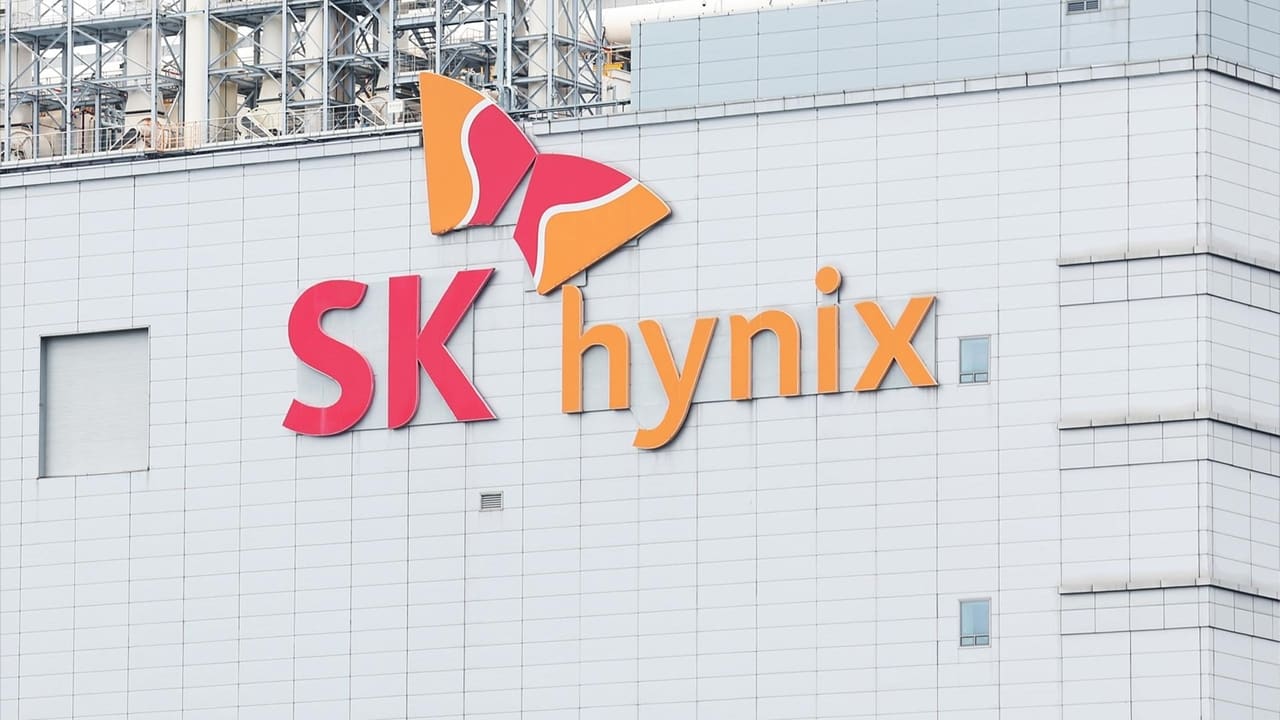
SK Hynix Reports Record Quarterly Profit on AI Memory Boom
South Korean chipmaker's second-quarter operating profit jumped 557% year-on-year to $41.6 billion as demand for high-bandwidth memory drives unprecedented margins.
KEY TAKEAWAYS
- ·SK hynix reported operating profit of $41.6 billion in Q2 2026, up 557% year-on-year, driven by AI memory demand.
- ·The company achieved a 76% operating margin and 118% net margin as high-bandwidth memory pricing remained elevated.
- ·Supply constraints for HBM3 and HBM3E are expected to persist through late 2026 despite accelerated capacity investments.
Unprecedented Margins
SK hynix posted its most profitable quarter on record in the three months ended June, driven by surging prices for memory chips used in artificial intelligence infrastructure. The South Korean semiconductor manufacturer reported operating profit of 60.54 trillion won ($41.6 billion) for the second quarter, according to the company's Wednesday announcement.
That figure represents a 557.2 percent increase from the same period in 2025. Revenue climbed to 79.32 trillion won, up 256.8 percent year-on-year and 51 percent from the first quarter. Net profit reached 93.92 trillion won, a 1,242.5 percent jump from a year earlier.
The numbers translated into an operating margin of 76 percent and a net margin of 118 percent, levels rarely seen in the historically cyclical memory chip industry. The quarter alone exceeded the company's full-year performance in most previous years.
AI Infrastructure Drives Pricing Power
The exceptional results stem from sustained demand for high-bandwidth memory (HBM) used in AI accelerators and training systems. Data center operators have been competing for limited supply of advanced memory packages, allowing chipmakers to command premium pricing.
SK hynix has positioned itself as a leading supplier of HBM3 and HBM3E, the latest generations of stacked memory required for chips from Nvidia, AMD, and other AI hardware makers. Production capacity remains tight as the company ramps new manufacturing lines while demand from cloud providers and enterprise customers continues to outpace supply.
The company's conventional DRAM and NAND flash businesses also benefited from firmer pricing, though the AI-focused product lines drove the bulk of profitability gains. Industry analysts note that memory prices have been on an upward trajectory for five consecutive quarters, the longest rally since 2016-2017.
Regional Chip Race Intensifies
The record earnings come as South Korea seeks to maintain its lead in memory manufacturing against growing competition from Chinese chipmakers and renewed investment from the United States and Europe. Samsung Electronics, SK hynix's domestic rival, is expected to report similar strength when it announces earnings next week.
Both companies have announced multi-billion dollar capital expenditure plans to expand advanced packaging capacity and secure long-term supply agreements with hyperscale customers. The South Korean government has backed the industry with tax incentives and infrastructure support, viewing semiconductor leadership as critical to national economic security.
The AI memory boom has also drawn attention from investors across Asia, with chip equipment suppliers in Japan and Taiwan reporting order backlogs stretching into 2027. Tokyo Electron and ASML have both raised revenue guidance for the year, citing accelerated tool purchases from memory manufacturers.
Outlook and Capacity Constraints
Despite the blockbuster quarter, supply constraints are expected to persist through the second half of 2026. Industry executives have cautioned that bringing new HBM capacity online requires 18 to 24 months from groundbreaking to volume production, meaning near-term supply will remain limited even as chipmakers accelerate investments.
SK hynix operates major fabrication facilities in Icheon and Cheongju, with additional assembly and test operations in China. The company has not disclosed specific production volumes for its HBM product lines, citing competitive sensitivity, but industry estimates suggest it commands roughly 50 percent of the global HBM market.
Analysts expect the company to maintain elevated profitability through the remainder of the year, though comparisons will become more challenging as the prior-year base rises. The longer-term question centers on when new capacity from competitors will enter the market and whether AI infrastructure buildouts will sustain current demand levels or moderate as the technology matures.
For now, the combination of structural demand growth and supply discipline has delivered a financial performance that redefines what investors consider possible in the memory chip sector.
RELATED STORIES

South Korea Records Highest September Export Start on Semiconductor Demand
Tran Quoc Bao · 3 min
Memory Makers Gain Leverage as AI Server Costs Climb
Cheng Wei-Lun · 3 min
SK Hynix May Fast-Track Gwangju Fab Investment Alongside Yongin Expansion
Jun-ho Seo · 3 min

Samsung's Device Division Reports First Quarterly Loss as Chip Costs Surge
Cheng Wei-Lun · 3 min
Spot something wrong? Email editor@briefasia.com. We log every correction publicly.