Finance · Deals
SK Group Eyes Massive US Expansion Beyond $35 Billion Commitment
South Korean conglomerate's chairman signals significantly larger investment plans following SK Hynix's record $26.5 billion ADR offering
KEY TAKEAWAYS
- ·SK Group chairman Chey Tae-won announced investment plans significantly exceeding the conglomerate's current $35 billion US commitment following SK Hynix's record $26.5 billion ADR offering.
- ·SK Hynix secured multiyear supply agreements that stabilize demand and pricing, transforming memory chips from a historically cyclical business into a steadier revenue model.
- ·The chipmaker is exploring a memory as a service model where customers rent computing capacity rather than purchasing physical semiconductors outright.
Record Share Sale Fuels Expansion Ambitions
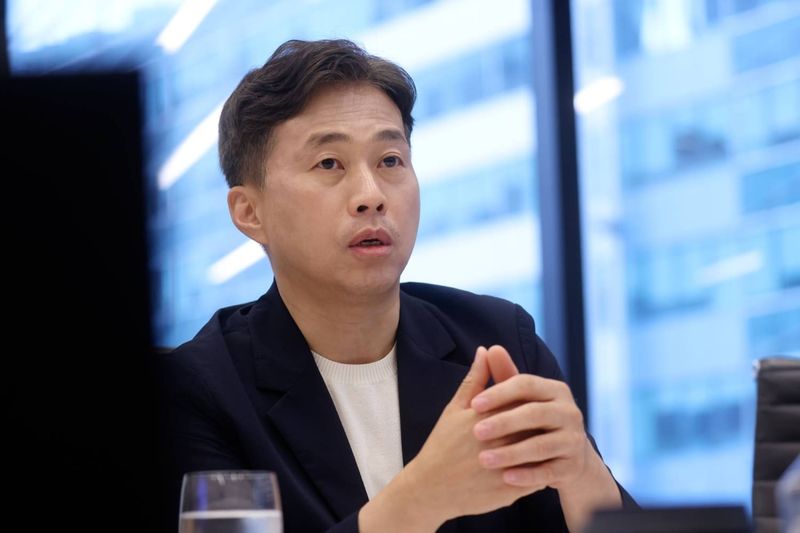
SK Group chairman Chey Tae-won revealed plans to significantly expand the conglomerate's US footprint beyond its existing $35 billion investment commitment. Speaking in an interview on Friday, Chey described his target as "much, much, much bigger" than the current figure, though he declined to specify an exact amount.
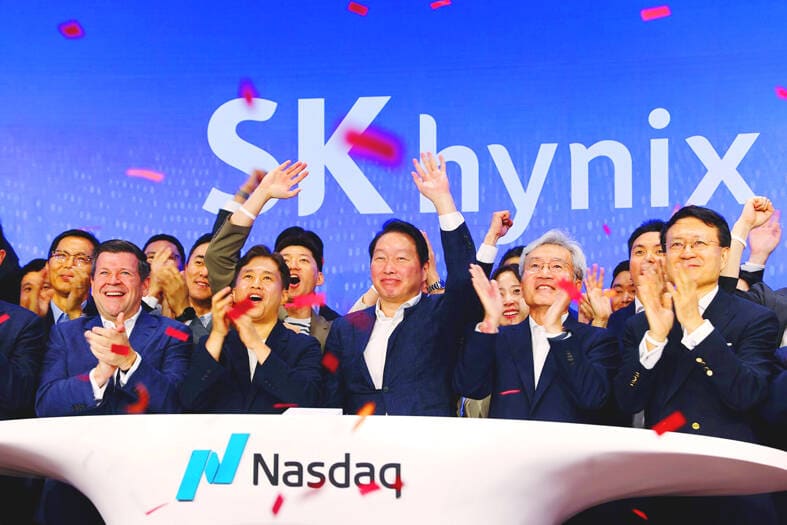
The announcement comes immediately after SK Hynix, the memory chipmaker controlled by SK Group, completed the largest foreign company ADR offering in US history. The South Korean semiconductor manufacturer raised $26.5 billion through the share sale, with its ADRs closing their debut trading session at $168.01 each. The closing price represented a 13 percent premium to the $149 offering price, though it fell short of the $170 opening level.
According to SK Hynix filings, proceeds from the offering will fund additional manufacturing capacity and the purchase of extreme ultraviolet lithography machines, advanced equipment critical for producing cutting-edge semiconductors.
Existing US Operations Span Multiple Sectors
Chey pointed to SK Group's current American investments, which extend beyond semiconductors into battery production and advanced packaging facilities. The conglomerate operates a battery manufacturing operation and recently established a semiconductor packaging site in Indiana. "Not many people notice those things," Chey noted, suggesting the scale of SK's US presence remains underappreciated.
The push by SK Group aligns with a broader wave of Asian technology companies expanding their American operations. Samsung Electronics is similarly growing its US footprint, part of an industry-wide response to Washington's push to reestablish domestic chip manufacturing. The White House has championed reshoring semiconductor production, directing substantial investment toward companies like Intel as part of efforts to reverse decades of manufacturing migration to Asia.
Memory Market Enters New Era
Chey argued that the memory chip business has fundamentally transformed from its historically volatile nature. SK Hynix now secures multiyear supply agreements with customers, a shift that provides demand stability and pricing predictability even during industry downturns.
"It's not a cyclical business anymore," Chey stated. The long-term contracts help maintain both shipment volumes and memory pricing through market fluctuations, creating what he described as "a different moment" for the industry.
The memory chipmaker, which competes with Samsung and Micron Technology in the global market, is riding surging demand driven by artificial intelligence infrastructure spending. Chey suggested that supply and demand equilibrium remains distant, potentially not arriving until the industry achieves artificial general intelligence, the theoretical point where computing systems match human cognitive capabilities.
He also flagged the emerging shift toward AI agents, autonomous systems that manage tasks independently, as a catalyst for further memory demand growth.
New Business Models on the Horizon
SK Hynix is exploring alternative revenue models beyond traditional chip sales. Chey outlined a "memory as a service" concept where customers would rent computing capacity rather than purchasing physical semiconductors.
"We could actually deliver some other business models," Chey explained. "We could be memory servicers, memory as a service. In the future, that is another area where we could actually focus."
The service model would represent a significant departure from the conventional semiconductor business structure, potentially offering more predictable revenue streams and deeper customer integration.
Future Share Issuance Remains Open
Chey indicated SK Hynix may return to US capital markets with additional share offerings if market conditions prove favorable. The decision would depend on investment returns and stock performance, he said.
"Once we have a better return, then there's more demand," Chey noted. The immediate priority is maintaining price stability for the newly issued ADRs before pursuing additional fundraising opportunities.
The chairman's ambitious expansion plans underscore South Korea's strategic importance in the global semiconductor supply chain and the intensifying competition to secure advanced manufacturing capacity in the United States. With AI driving unprecedented demand for memory chips and Washington offering incentives for domestic production, SK Group appears positioned to deepen its American presence substantially in the coming years.
RELATED STORIES
Index Funds Face Hidden Concentration Risk From AI Boom
Cheng Wei-Lun · 3 min
Samsung Electronics Drops 8% as Market Questions Buyback Strategy
Cheng Wei-Lun · 2 min
Seoul Markets Tumble as Tech Selloff Ripples Across Asia
Cheng Wei-Lun · 3 min
SK Hynix Eyes Deeper Collaboration With Japan's Chip Sector
Cheng Wei-Lun · 4 min
Spot something wrong? Email editor@briefasia.com. We log every correction publicly.