Sustainability · Energy
SK Group and TerraPower Expand Nuclear Partnership to Power AI Infrastructure
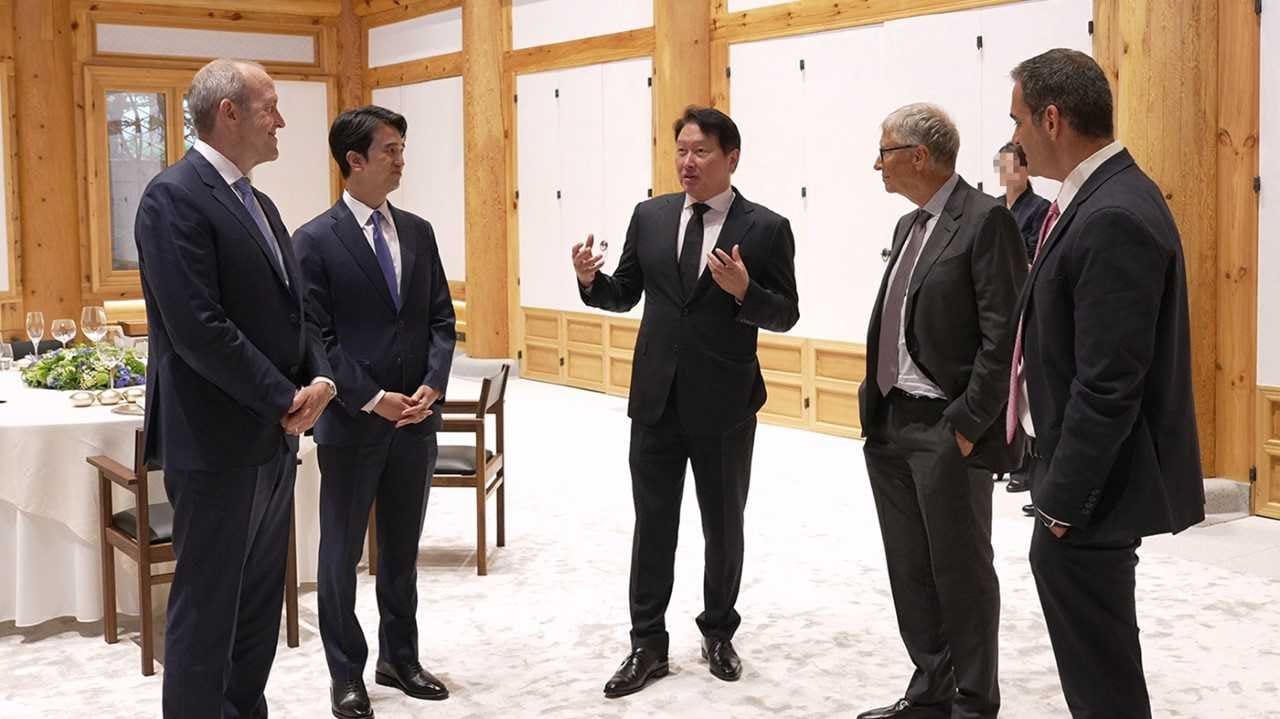
Chey Tae-won and Bill Gates held their second meeting in a year to discuss next-generation nuclear technology and the surging electricity needs of data centers across Asia
KEY TAKEAWAYS
- ·SK Group Chair Chey Tae-won and TerraPower Chair Bill Gates held their second meeting in a year in Seoul to discuss advanced nuclear reactors for AI infrastructure.
- ·AI training clusters and data centers require stable, carbon-free baseload power that advanced nuclear designs can provide at high capacity factors.
- ·The partnership is exploring regional deployment in Southeast Asian markets facing coal phase-outs and insufficient renewable capacity.
From Investment to Strategic Alliance
SK Group and TerraPower are moving beyond a simple investor relationship. Chey Tae-won, who chairs the South Korean conglomerate, sat down with Bill Gates on Friday evening in Seoul to map out how advanced nuclear reactors can address the electricity crunch created by artificial intelligence workloads. The dinner at Seonhyewon marks the second face-to-face discussion between the two executives in twelve months, according to industry sources.
TerraPower, the nuclear innovation company Gates founded, has been developing small modular reactors and sodium-cooled fast reactors designed to deliver reliable baseload power with lower capital costs than conventional plants. SK Group initially approached the partnership as a financial stake, but the conversation has shifted toward joint deployment and technology transfer as Asia's hyperscale data center pipeline accelerates.
The AI Power Equation
Artificial intelligence training clusters and inference workloads consume electricity at rates traditional grid infrastructure struggles to match. A single large language model training run can draw several megawatts continuously for weeks, and the proliferation of generative AI services has pushed data center operators to secure long-term power purchase agreements years in advance.
South Korea, Singapore, and emerging markets across Southeast Asia face acute pressure. Existing coal and gas generation carries emissions liabilities, while intermittent renewables require expensive battery storage to guarantee uptime. Advanced nuclear offers a carbon-free alternative with capacity factors above 90 percent, making it attractive to both governments pursuing net-zero pledges and technology firms requiring uninterrupted compute.
SK Group operates energy, chemicals, and telecommunications businesses that intersect with this demand. The conglomerate's SK Telecom division runs cloud services, while SK Innovation explores battery and hydrogen ventures. Securing stable, low-carbon electricity positions the group to compete in AI infrastructure and avoid the grid bottlenecks that have stalled data center projects in other markets.
Regional Deployment and Regulatory Pathways
The Friday meeting agenda included potential cooperation beyond South Korea. Gates and Chey discussed frameworks for deploying TerraPower's reactor designs in markets where regulatory approval processes are more streamlined and where energy shortages are most acute. Industry observers point to Vietnam, Indonesia, and the Philippines as candidates, each grappling with coal phase-out timelines and insufficient renewable capacity.
South Korea's nuclear regulatory environment remains complex, though the current administration has signaled openness to next-generation reactor designs. TerraPower's Natrium reactor, which pairs a sodium-cooled fast reactor with molten salt energy storage, has not yet received domestic certification, but SK Group's political and industrial reach could smooth the path.
The partnership also reflects a broader shift in Asia's energy landscape. Japan recently restarted several reactors and extended operating licenses, while China continues to build out both conventional and experimental nuclear capacity. If SK and TerraPower can demonstrate commercial viability in South Korea, the model becomes exportable to neighbors facing similar constraints.
What Comes Next
Neither SK Group nor TerraPower has announced a formal joint venture or disclosed investment figures tied to the latest discussions. The relationship remains in the strategic planning phase, with technical feasibility studies and site assessments likely to follow. Financing next-generation nuclear projects typically requires government loan guarantees or multilateral development bank participation, adding layers of negotiation beyond the corporate handshake.
Still, the frequency and seniority of the meetings suggest momentum. Chey does not regularly host foreign executives for private dinners unless a deal structure is taking shape, and Gates has concentrated TerraPower's international outreach on a handful of markets where political and industrial alignment exists.
For Asia's AI ambitions, the outcome matters. If advanced nuclear can be deployed at scale and at speed, the region's data center capacity can grow without locking in decades of fossil fuel dependence. If regulatory hurdles or construction timelines prove insurmountable, cloud providers and AI labs will migrate to jurisdictions where power is abundant, leaving markets like South Korea scrambling to catch up.
RELATED STORIES
TerraPower and SK Innovation Strike SMR Deal as Asia Eyes Nuclear Renaissance
Cheng Wei-Lun · 3 min
Kolon Industries Begins Production of Bio-Based Medical Plastic
Cheng Wei-Lun · 3 min
Samsung Recruits AI Specialists to Drive Semiconductor Manufacturing Overhaul
Cheng Wei-Lun · 3 min
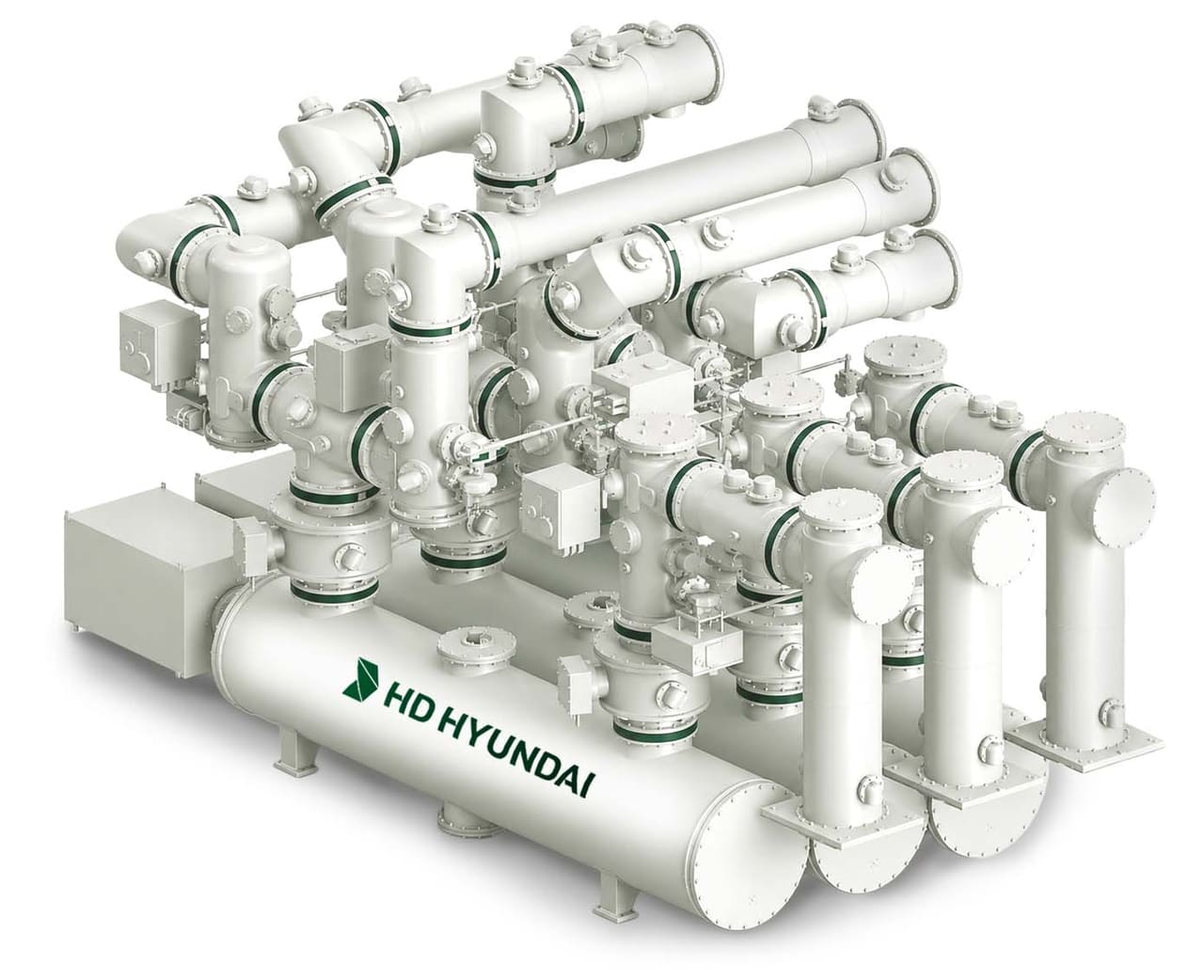
HD Hyundai Electric Builds Korea's First SF6-Free Circuit Breaker for European Grid Market
Cheng Wei-Lun · 3 min
Spot something wrong? Email editor@briefasia.com. We log every correction publicly.