Finance · Banking
Singapore Unlicensed Remittance Network Moved S$28 Million in Three Months
An illegal money transfer operation in Little India processed millions for migrant workers, exposing gaps in financial access for the city-state's foreign workforce.
KEY TAKEAWAYS
- ·An unlicensed remittance operator in Singapore's Little India processed over S$28 million between February and April 2025, earning S$1,500 monthly as a front-line agent.
- ·The operation highlights persistent demand for informal money transfer services among migrant workers, driven by speed, cost, and accessibility gaps in formal banking channels.
- ·Authorities face a regulatory tension between enforcing anti-money-laundering rules and addressing service gaps that push low-income workers toward unlicensed operators.
The Operation Above Norris Road
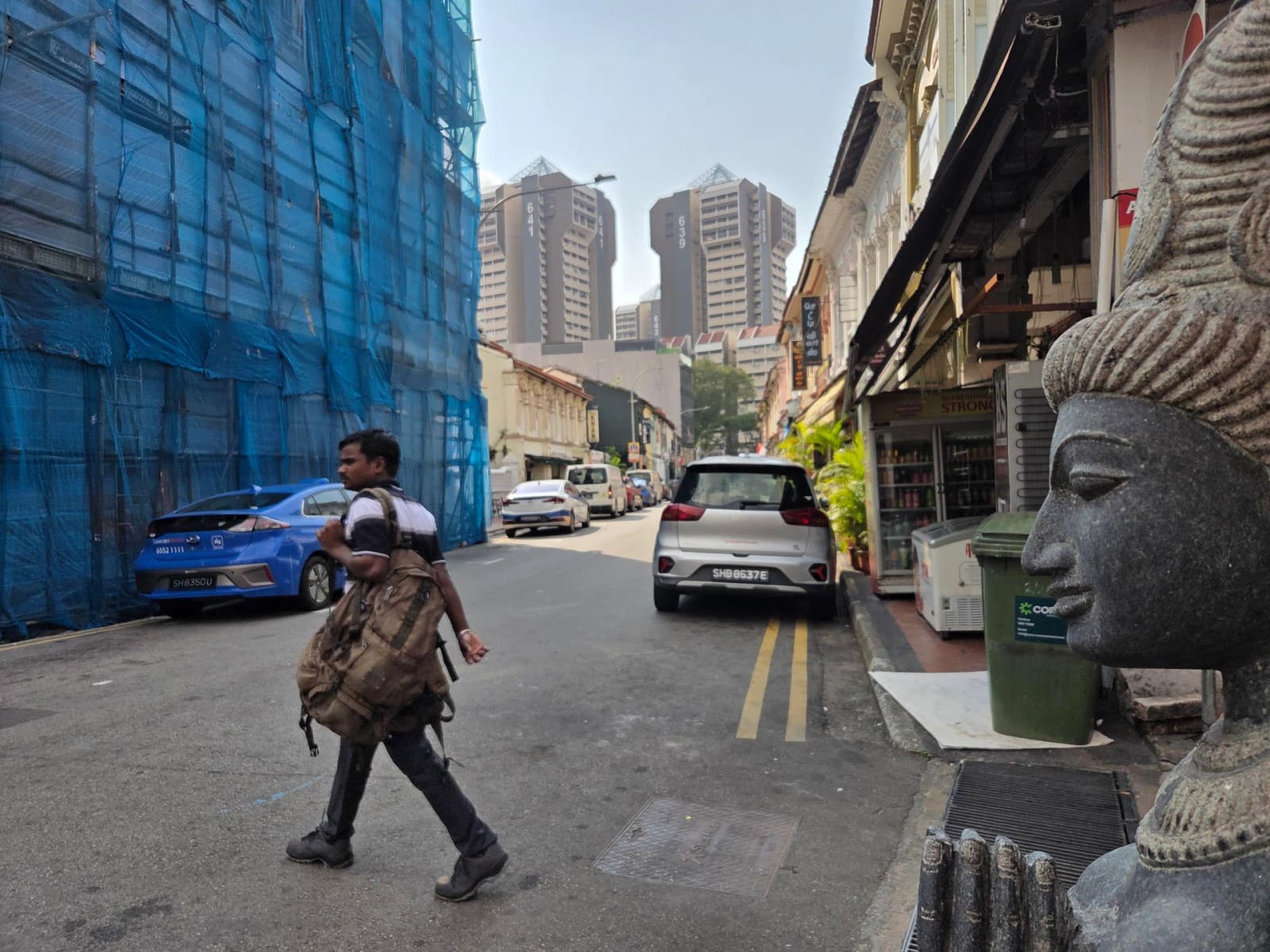
Between February and April 2025, a man named Raju Krishnamoorthi ran what looked like a simple service from a rented room above Norris Road in Singapore's Little India. Workers would arrive with cash they wanted to send home. Raju would handle the transaction. No app, no branch network, no compliance team.
The volume was anything but simple. In those three months, Raju processed more than S$28 million. He earned S$1,500 a month working for an individual known as Syed, serving as the front-line interface for an unlicensed money remittance syndicate that recently resulted in criminal sentencing.
The case offers a window into a stubborn reality across Asia's wealthier economies: formal banking infrastructure and informal demand often operate in parallel universes, particularly where migrant labor is concerned.
Why Workers Choose the Shadows
Singapore is home to roughly 1.5 million foreign workers, many employed in construction, domestic work, and service industries. Most come from South Asia and Southeast Asia, earning modest wages that they remit home to support families. Official channels exist through banks and licensed money transfer operators, yet underground networks persist.
The reasons are practical. Speed matters. A worker paid on Friday may want money in a village in Tamil Nadu or Bangladesh by Saturday. Formal channels can take days and require documentation that itinerant laborers may not carry. Fees also vary. Licensed operators typically charge a percentage or flat fee, but competition among informal operators can drive costs lower, especially for repeat customers.
Trust plays a role too. In tight-knit migrant communities, word of mouth carries weight. A known operator in Little India, someone who speaks the same language and understands the same pressures, can feel more accessible than a branch counter downtown.
The Scale of Informal Flows
Raju's S$28 million over three months translates to roughly S$9 million per month, or about S$300,000 daily. That figure, from a single room and a single operator, suggests the broader ecosystem is far larger. Enforcement actions in Singapore periodically surface similar operations, but the transient nature of both operators and customers makes comprehensive mapping difficult.
Remittance flows from Singapore to South Asia and Southeast Asia run into the billions annually through formal channels tracked by the Monetary Authority of Singapore. Informal flows, by definition, sit outside those statistics. Regional central banks and development institutions have long acknowledged that official remittance data likely undercounts true volumes, sometimes significantly.
The challenge for regulators is that underground remittance networks, while technically illegal, often serve a real need. Shutting them down without addressing the underlying service gap simply displaces activity rather than eliminating it.
Regulatory Response and Tension
Singapore's licensing regime for remittance businesses is designed to prevent money laundering, terrorist financing, and fraud. Operators must register with the Accounting and Corporate Regulatory Authority, meet capital requirements, and maintain transaction records. The framework aligns with Financial Action Task Force standards that most developed economies follow.
Enforcement is periodic but visible. Authorities prosecute unlicensed operators, as in Raju's case, to signal that regulatory boundaries matter. Penalties include jail time and fines, intended to deter both operators and those who might fund or organize such networks.
Yet the persistence of informal remittance operations suggests that enforcement alone does not solve the mismatch. Licensed operators face compliance costs that informal networks avoid. Those costs get passed to customers in the form of fees or slower processing. For a worker earning S$800 a month, a S$10 difference in transfer fees is not trivial.
The Path Forward
The tension is not unique to Singapore. Hong Kong, Tokyo, Seoul, and Gulf cities with large migrant populations face similar dynamics. The challenge is designing systems that preserve anti-money-laundering safeguards while reducing friction for legitimate, low-value transactions.
Technology offers partial solutions. Mobile money platforms and blockchain-based remittance services have reduced costs and improved speed in some corridors. But adoption requires both digital literacy and trust in new systems, which takes time to build among populations that may have limited smartphone access or data connectivity.
Another approach involves tiered regulation. Some jurisdictions have introduced simplified licensing for small-value remittance operators, lowering compliance burdens for businesses that pose lower systemic risk. Singapore has not yet moved in that direction, but regional peers are experimenting.
The case of Raju and the room above Norris Road is not an isolated anomaly. It is a symptom of a gap between how financial systems are designed and how millions of people actually move money. Until that gap narrows, the shadows will remain well lit.
RELATED STORIES

Addvalue Technologies Lands $5 Million in Space and Radio Contracts
Tran Quoc Bao · 3 min
Singapore Tightens Stablecoin Rules to Separate Regulated Tokens From Crypto Claims
Priyanka V. Rao · 2 min

Shein Drops 4% in Hong Kong Debut as Tariff Pressure Weighs on Valuation
Priyanka V. Rao · 4 min

Temasek Defends SIA's Air India Stake as Loss-Making Carrier Seeks $1.5 Billion
Priyanka V. Rao · 3 min
Spot something wrong? Email editor@briefasia.com. We log every correction publicly.