Finance · Markets
Singapore Regulator Opens Door to Riskier Funds Amid Investor Protection Concerns
Monetary Authority of Singapore proposes faster approval for alternative investment products while retail investors report struggles with existing complex funds
KEY TAKEAWAYS
- ·Singapore's Monetary Authority is consulting on changes that would cut fund approval times from months to three weeks for pre-approved product categories including commodity and sovereign bond funds.
- ·Retail investors report discovering undisclosed penalty clauses and sub-fund structures after purchase, with limited success recovering losses or obtaining support from sales agents paid upfront commissions.
- ·Proposed safeguards include mandatory pre-transaction alerts, knowledge assessment warnings, simplified civil procedures for recourse claims, and removal of statutory caps on compensation awards.
Regulatory Overhaul in Motion
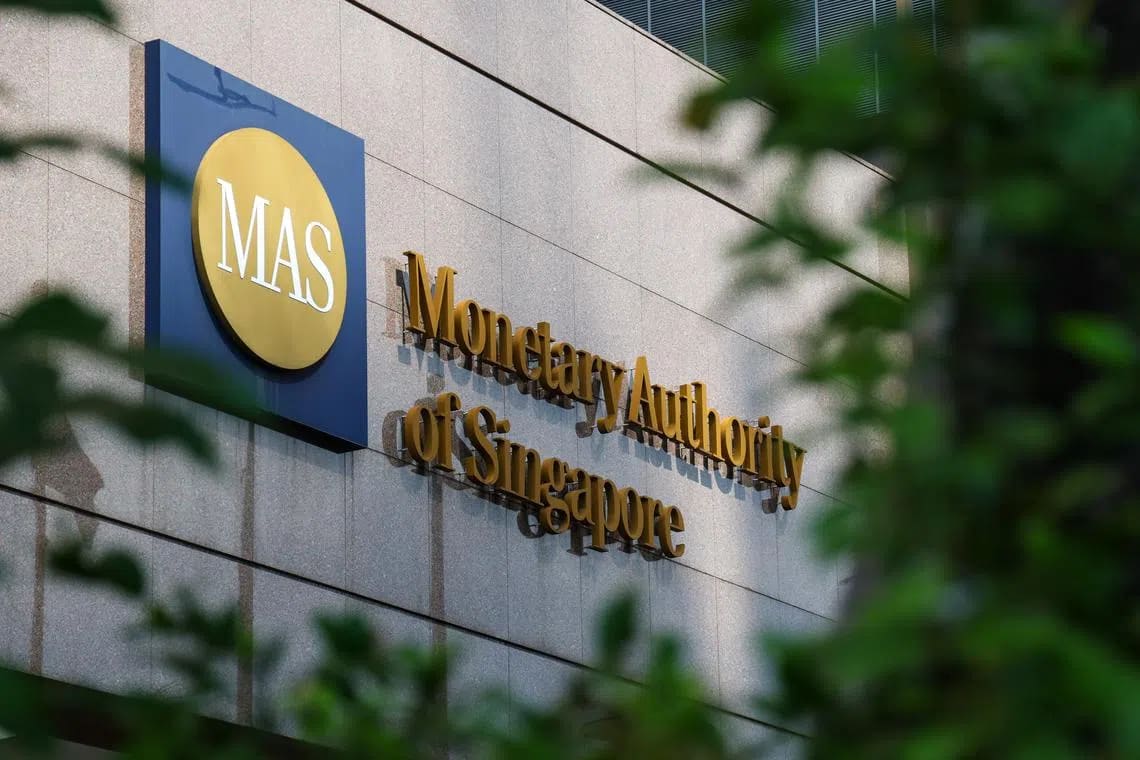
Singapore's financial regulator has launched a public consultation on framework changes designed to accelerate the introduction of alternative investment vehicles for everyday investors. The Monetary Authority of Singapore aims to reduce approval timelines from several months to approximately three weeks for fund products that fall within pre-approved categories, according to James Ong, group head of asset management at CGS International.
The proposal centers on establishing principle-based criteria that would allow MAS to clear subsequent fund launches rapidly once ground rules for a new product category are established. Initial market demand has focused on futures-based single-commodity funds and an expanded selection of sovereign bond funds from individual countries.
The regulator frames the initiative as essential to maintaining Singapore's competitive position as an Asian wealth management center while meeting evolving investor demand for portfolio diversification tools.
Retail Investors Flag Disclosure Gaps
The timing of the consultation has sparked debate among individual investors who report ongoing difficulties navigating existing fund products. Tye Hua Swee, a retired human resources professional, discovered undisclosed penalty clauses in an investment-linked insurance product only after attempting a partial withdrawal. The policy imposed 1,000 Singapore dollar monthly fees for failing to maintain contributions and threatened forfeiture of remaining capital upon early termination.
Tye said the sales representative, who worked for an independent agency rather than the insurer directly, became unreachable after completing the transaction. Three months into his attempt to halt automatic deductions and recover funds, he has made minimal headway.
A retired architect who identified herself only as Madam Lim described similar frustrations with a real estate investment fund that contained multiple sub-fund structures never explained during the sales process. She lost several thousand dollars within weeks of investing.
Both investors questioned whether commission structures that front-load agent compensation create misaligned incentives, rewarding initial sales over ongoing client support.
Appetite for Sophisticated Strategies
Industry participants note genuine demand for products beyond traditional equity and fixed-income allocations. Kwok Keng Han, chief marketing officer at Lion Global Investors, said client inquiries increasingly cover precious metals, commodities, and alternative return sources as market volatility rises.
Specific interest has emerged for leveraged and inverse single-stock exchange-traded funds, covered call strategies, defined outcome ETFs, and hybrid vehicles combining public and private market exposure. Kwok characterized the trend as investors seeking more nuanced tools for risk management rather than simple return maximization.
The regulatory changes would formalize pathways for such products to reach retail distribution channels without requiring bespoke approval for each launch.
Enhanced Safeguards in Draft Proposal
MAS has paired its liberalization proposal with measures intended to address protection gaps. The regulator will mandate simplified product disclosure documents and introduce pre-transaction alerts requiring investors to confirm their understanding before completing purchases.
Customers who fail knowledge assessments will receive explicit warnings that complex products may exceed their risk capacity. Additional protocols will apply to vulnerable investor segments, including requirements for a trusted individual to participate in sales meetings and verification calls from financial institutions to confirm product comprehension.
The consultation also covers expanded recourse mechanisms. Proposed changes would permit independent representatives to coordinate class action litigation on behalf of affected investors and establish a grant program to fund cases with legal merit. MAS is exploring simplified civil procedures, broader reliance on enforcement actions in private claims, and removal of statutory caps on compensation awards.
Primary Responsibility Remains with Buyers
David Gerald, chief executive of the Securities Investors Association Singapore, emphasized that regulatory changes do not transfer risk assessment responsibility from investors to authorities. Wider product access should not be conflated with reduced risk exposure, he noted.
Gerald urged investors to evaluate whether specific products align with their financial objectives, time horizons, and loss tolerance before committing capital. The association has advocated for clearer presentation of fund information, particularly for salaried workers investing accumulated savings.
Industry observers expect the consultation to generate substantial feedback given the tension between expanding choice and ensuring adequate investor protection. The outcome will likely shape Singapore's asset management landscape and set precedents for how regional financial centers balance innovation with retail safeguards in an era of increasingly complex investment vehicles.
MAS has not specified a timeline for finalizing the regulatory framework following the public feedback period.
RELATED STORIES
Singapore Tightens Stablecoin Rules to Separate Regulated Tokens From Crypto Claims
Priyanka V. Rao · 2 min

Addvalue Technologies Lands $5 Million in Space and Radio Contracts
Tran Quoc Bao · 3 min

Shein Drops 4% in Hong Kong Debut as Tariff Pressure Weighs on Valuation
Priyanka V. Rao · 4 min

Temasek Defends SIA's Air India Stake as Loss-Making Carrier Seeks $1.5 Billion
Priyanka V. Rao · 3 min
Spot something wrong? Email editor@briefasia.com. We log every correction publicly.