Finance · Markets
Singapore Palm Oil Producers Set for Stronger Q2 on Price Rally
Upstream players could see operating margins reach 60 percent as crude palm oil prices climb 17 percent year-to-date, though downstream businesses face rising input costs
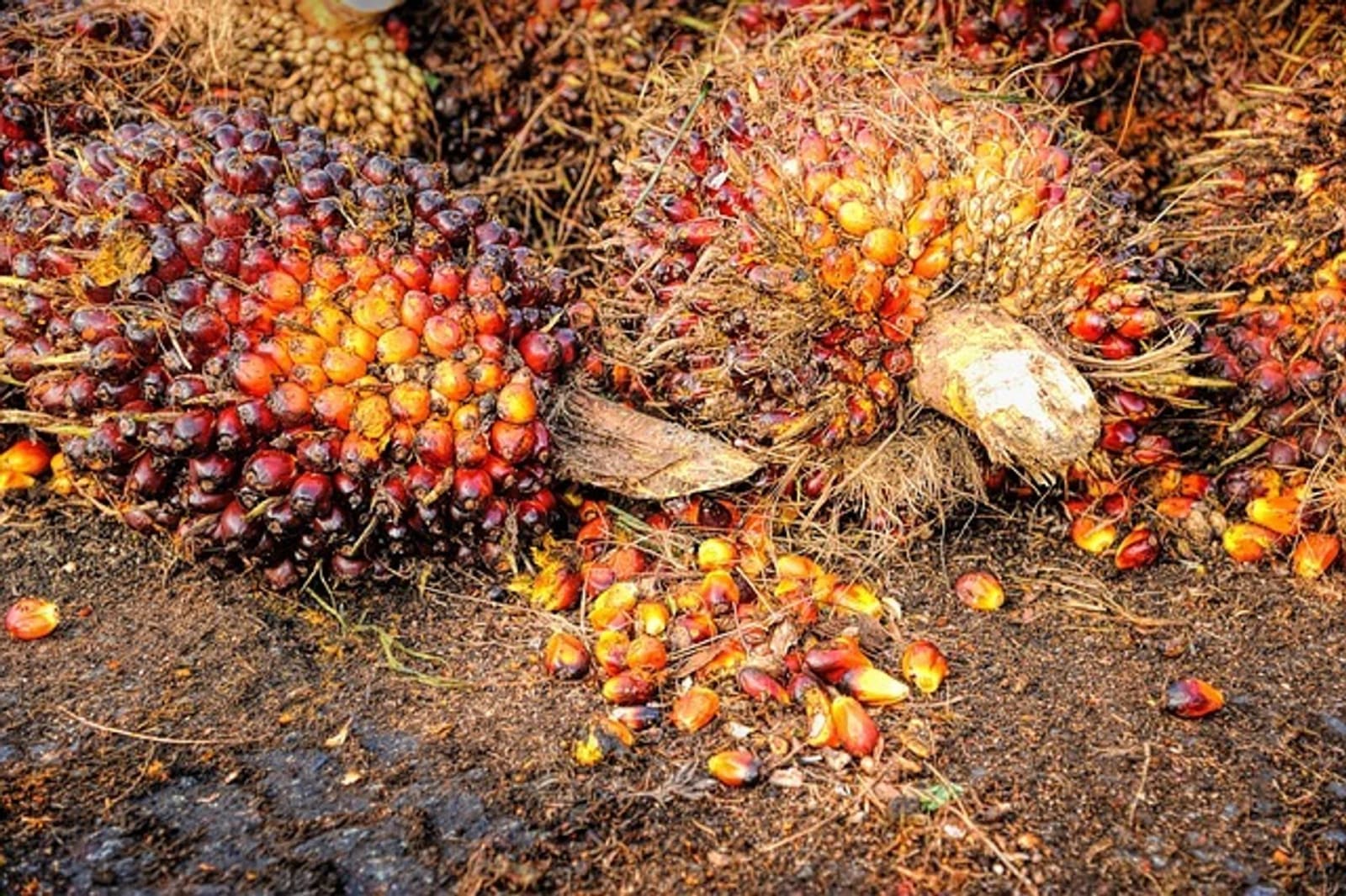
KEY TAKEAWAYS
- ·Crude palm oil futures have risen 17 percent year-to-date, with upstream producers First Resources and Bumitama Agri positioned to benefit most from the price rally.
- ·Indonesia's B50 biodiesel mandate absorbs 18 million tonnes of crude palm oil annually, representing over 35 percent of the country's total production and tightening global supply.
- ·Analysts expect second-quarter earnings before interest, taxes, depreciation and amortization across Singapore-listed planters to exceed consensus forecasts by approximately 10 percent.
Margins Expand on Price Strength
Singapore-listed palm oil companies are heading into second-quarter earnings season with momentum. Crude palm oil futures have climbed roughly 17 percent since January, driven by supply constraints and Indonesia's expanded biodiesel blending policy. Upstream producers with significant plantation exposure stand to capture the largest gains, while vertically integrated groups face a more complex picture as higher feedstock costs weigh on downstream operations.
First Resources and Bumitama Agri, both focused on plantation operations, are positioned to benefit most directly from the price environment. Analysts project that second-quarter earnings before interest, taxes, depreciation and amortization across the sector could exceed consensus forecasts by approximately 10 percent.
Palm oil futures climbed as high as 14.8 percent between early March and early April, following the escalation of the Gulf crisis that disrupted Red Sea shipping routes. Prices have since moderated, trading at RM4,640 per tonne as of early August. The Malaysia Palm Oil Board expects prices to hold above RM4,000 per tonne near-term, averaging between RM4,300 and RM4,500 for the full year.
Policy and Weather Tighten Supply
Indonesia's B50 mandate, which took effect in July, requires diesel blends to contain 50 percent palm oil-based fuel. The policy absorbs approximately 18 million tonnes of crude palm oil annually, representing more than 35 percent of the country's total production. This structural demand shift has fundamentally altered the supply-demand balance in global palm oil markets.
El Nino weather patterns are expected to surface in output data during the fourth quarter. Malaysia anticipates a 2 to 4 percent year-on-year decline in production for the full year. The Malaysia Palm Oil Board notes that while current catalysts appear largely priced into 2026 valuations, a potential price spike could materialize in 2027 as lower production volumes flow through to the market.
The Middle East conflict adds another layer of support. Prolonged disruptions to Red Sea shipping could push Brent crude prices higher, improving the economics of biodiesel blending. A $10 per barrel increase in Brent crude could lift crude palm oil prices by 3 to 6 percent, according to Aletheia Capital analysis.
Cost Pressures Build
Supply chain disruptions tied to the Gulf crisis are raising the cost of essential plantation inputs. Fertilizer and diesel, both critical to plantation operations, have seen price increases that will compress margins to varying degrees across the sector.
Bumitama Agri secured nearly all of its full-year fertilizer requirements ahead of the price surge, but expects costs to rise 5 to 10 percent. Diesel prices present an additional headwind, as plantations rely on fuel to power machinery for transporting fresh fruit bunches and processed products.
Golden Agri-Resources acknowledged that fertilizer costs will rise in fiscal 2026, though the company said it is too early to quantify the full impact given market uncertainty. One mitigating factor is the company's reliance on locally sourced urea for a significant portion of its fertilizer mix, which limits exposure to global supply chain volatility.
Integrated Players Face Mixed Outlook
Wilmar International and Golden Agri-Resources, which operate both upstream plantations and downstream processing facilities, face a more nuanced earnings environment. Higher plantation margins may be partially offset by increased raw material costs in their refining and consumer product segments.
Wilmar's second-quarter results could show improvement over the prior year on higher soybean crush volumes and stronger plantation earnings, according to Bloomberg Intelligence. However, fertilizer costs averaging roughly 13 percent above December 2025 levels are likely to absorb some of the upstream gains.
Indofood Agri Resources, which operates downstream refining operations alongside plantations, posted a 31.6 percent increase in net profit to 444.5 billion rupiah for the first half ended June 30. The company is positioned to benefit from stronger refining spreads in addition to higher palm oil prices.
Regulatory Uncertainty Recedes
Singapore-listed planters experienced a sharp sell-off in late May and early June after Indonesia unveiled plans to centralize exports of key commodities through Danantara Sumberdaya Indonesia, a state-owned enterprise. The proposal raised concerns that producers would lose direct control over customer relationships and pricing.
An executive overseeing the entity clarified in June that it will not function as a trading intermediary buying commodities from producers for resale. The scale-back of the centralized export control policy removes a significant source of uncertainty, allowing normal harvesting, processing and shipment to continue without disruption.
Regulatory risk remains elevated given the pace and unpredictability of recent policy changes in Indonesia, but the immediate threat to business operations has diminished.
Second-Half Outlook
Analysts expect the earnings momentum to extend into the second half of the year. Based on a full-year crude palm oil price forecast of $1,240 per tonne, gross margins could reach approximately $840 per tonne. After accounting for taxes and additional costs, this translates to operating margins near 60 percent for upstream producers.
Bumitama Agri and First Resources are particularly well positioned to capture price gains due to their young estates and high oil extraction rates. The combination of favorable age profiles and operational efficiency allows these companies to maximize output per hectare while maintaining lower cost structures than older plantations.
The sector's outlook for the second half remains constructive, supported by structural demand from Indonesia's biodiesel policy and weather-related supply constraints. While input cost pressures will persist, the magnitude of the price rally provides sufficient cushion for upstream producers to deliver strong profitability through year-end.
RELATED STORIES

Addvalue Technologies Lands $5 Million in Space and Radio Contracts
Tran Quoc Bao · 3 min
Singapore Tightens Stablecoin Rules to Separate Regulated Tokens From Crypto Claims
Priyanka V. Rao · 2 min

Shein Drops 4% in Hong Kong Debut as Tariff Pressure Weighs on Valuation
Priyanka V. Rao · 4 min
Temasek Defends SIA's Air India Stake as Loss-Making Carrier Seeks $1.5 Billion
Priyanka V. Rao · 3 min
Spot something wrong? Email editor@briefasia.com. We log every correction publicly.