Asia · Business
Singapore Firms Hold Steady Outlook Amid Tariff Pressures and AI Boom
Manufacturing and services companies anticipate growth through December despite geopolitical headwinds, with semiconductor and hospitality sectors leading confidence
KEY TAKEAWAYS
- ·Singapore manufacturers report a net 12 per cent positive outlook for July to December, down five points from the prior survey, with semiconductor equipment makers leading optimism on AI investment.
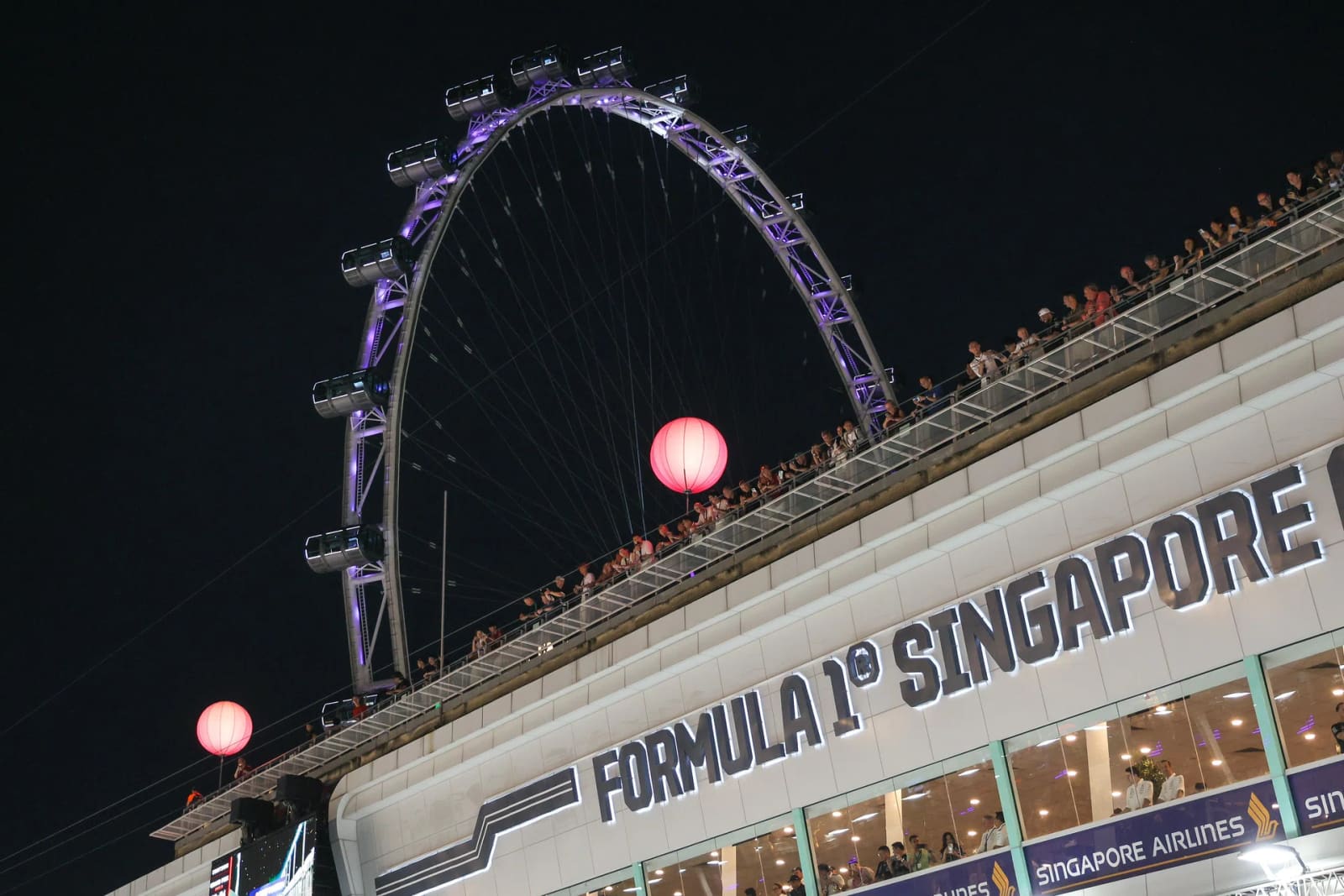
- ·Services firms rebounded to a net 13 per cent positive balance, driven by Formula 1, concerts, and enterprise AI adoption lifting accommodation, wholesale trade, and professional services revenue.
- ·Tariffs and overseas price competition rank as top export challenges, while Middle East supply disruptions weigh on chemicals margins and general manufacturing profitability.
Confidence Holds Despite External Headwinds
Singapore's industrial and services sectors are projecting favorable conditions through year-end, though the margin of optimism has narrowed as companies grapple with tariff uncertainty and supply chain friction.
A survey of 401 manufacturers by the Economic Development Board found a net weighted balance of 12 per cent expect improved conditions from July through December, down five percentage points from the prior period. Among the same group, 26 per cent on a net weighted basis anticipate higher output in the third quarter compared to the second.
Separately, the Department of Statistics polled 1,600 services firms and recorded a net weighted balance of 13 per cent forecasting better conditions for the second half, rebounding from negative 4 per cent in the previous survey conducted after the February escalation of the US-Israel-Iran conflict.
Semiconductor Makers Lead Manufacturing Optimism
Precision engineering emerged as the brightest spot in manufacturing, buoyed by orders for semiconductor production equipment as global capital flows into artificial intelligence infrastructure. Within this cluster, machinery and systems companies cited robust investment pipelines tied to AI data-center expansion.
Electronics manufacturers also held a positive view, with chip fabricators pointing to sustained demand for processors and memory used in generative AI workloads and inference tasks.
By contrast, the chemicals cluster registered the most cautious stance. Petrochemical and refining businesses expect feedstock supply disruptions originating in the Middle East to keep input costs elevated and compress operating margins through the second half.
General manufacturing industries likewise tempered their outlook, flagging rising material, fuel, and freight expenses as primary drags on profitability.
Services Sector Sees Revenue Lift from Events and Enterprise Tech
All services industries surveyed expect operating revenue to rise from July to September, with a net weighted balance of 14 per cent anticipating gains.
Accommodation providers are counting on the Formula 1 Grand Prix and a slate of concerts to lift visitor arrivals and hotel occupancy rates during the second half. Seasonal travel demand is expected to add further support.
Wholesale trade firms, particularly those supplying telecommunications and computing hardware, anticipate enterprise adoption of AI to drive sales of servers, storage arrays, and networking gear optimized for machine-learning tasks.
Professional services companies project favorable conditions as well. Accounting firms expect audit engagements to peak during the second half, while advertising agencies foresee stronger demand as clients accelerate marketing campaigns ahead of year-end holidays.
In recreation and community services, demand for AI-related training courses, new pre-school capacity, and steady healthcare utilization underpin positive sentiment. Administrative and support services providers expect the Formula 1 event to increase demand for security and logistics personnel.
Employment Plans Remain Stable Across Both Sectors
A weighted 74 per cent of manufacturers plan to hold employment levels steady in the third quarter compared to the second. All manufacturing clusters except transport engineering indicated they would add workers.
The services sector recorded a net weighted balance of 10 per cent expecting to increase headcount in the third quarter. Administrative and support services firms intend to hire more staff in cleaning, landscaping, and security to meet rising demand. Recreation, community, and personal services companies plan to expand their workforces to accommodate higher demand for healthcare and childcare.
Tariffs and Price Competition Top Export Concerns
Manufacturers identified price competition from overseas rivals and external political and economic conditions, including geopolitical developments and tariffs, as the two largest obstacles to securing export orders.
The survey results suggest Singapore's export-oriented sectors are navigating a complex environment in which demand drivers tied to AI and regional events coexist with cost pressures and policy uncertainty. While sentiment remains constructive, the narrowing of the positive balance in manufacturing reflects caution about how external shocks may unfold in the months ahead.
RELATED STORIES
Southeast Asian Firms Overlook Digital Pact Worth USD 2 Trillion
Lim Hui Ying · 4 min
Singapore Economists Lift 2026 Growth Outlook to 5% as Chip Exports Surge
Priyanka V. Rao · 3 min

Five ASEAN Members Back Regional Oil Stockpile as Study Nears Completion
Tran Quoc Bao · 3 min

Addvalue Technologies Lands $5 Million in Space and Radio Contracts
Tran Quoc Bao · 3 min
Spot something wrong? Email editor@briefasia.com. We log every correction publicly.