Real Estate · Land
Singapore Extends Developer Deadlines to Revive Stalled Collective Sales
Large en bloc projects gain up to two extra years for unit sales as government removes HDB resale wait-out for private property owners
KEY TAKEAWAYS
- ·Singapore extends the ABSD remission timeline to six years for en bloc projects with at least 700 units and seven years for mega projects exceeding 1,400 units.
- ·The government removed the 15-month wait-out period for private property owners buying HDB resale flats after prices declined 0.3 percent in Q2 2026.
- ·The policy shifts aim to revive collective sales activity and improve housing market accessibility as Singapore balances developer viability with affordability goals.
Breathing Room for Redevelopment
Singapore's government has granted developers of large collective sale projects significantly more time to complete construction and offload inventory, a policy shift designed to revitalize a market segment that has struggled with viability constraints.
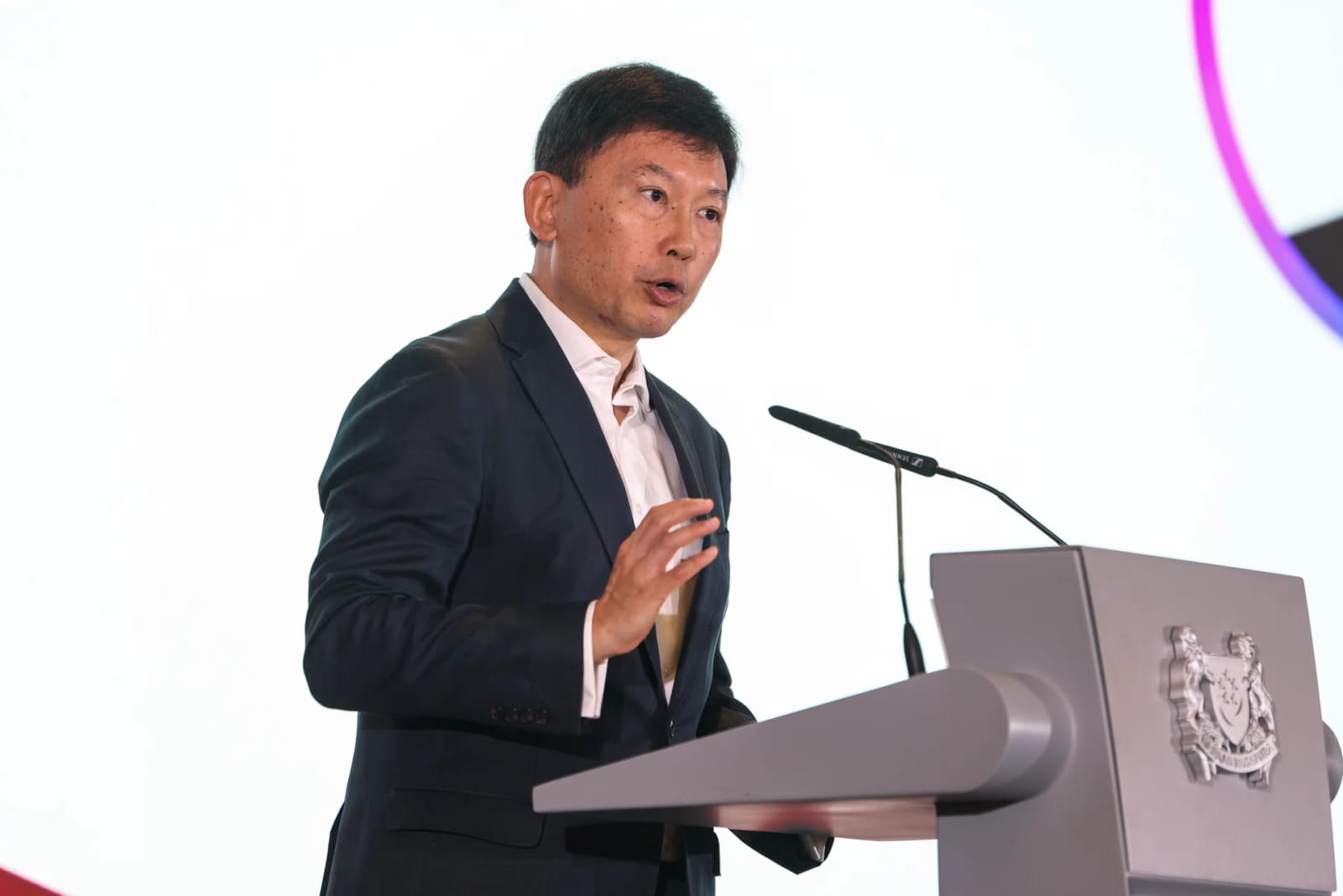
National Development Minister Chee Hong Tat announced Tuesday that en bloc redevelopments producing at least 700 units will receive an additional year beyond the previous timeline, extending their additional buyer's stamp duty remission period to six years. Mega projects exceeding 1,400 units gain two extra years, pushing the deadline to seven years total.
The extension targets a specific bottleneck in Singapore's property redevelopment cycle. Developers currently face a 40 percent ABSD on land acquired for residential projects, with 5 percent paid upfront and up to 35 percent held as a remittable component. That larger portion gets clawed back with interest if they fail to sell at least 90 percent of units within the prescribed timeframe.
The new policy builds on measures introduced in Budget 2025, which added six months for qualifying developments. Those included large en bloc sites with at least 1.5 times the unit count of the original development and projects approved under the Strategic Development Incentive scheme.
Chee framed the move as an incentive structure to encourage rejuvenation of larger estates rather than simple land intensification. The collective sales market, once a source of substantial windfalls for owners, has experienced prolonged dormancy as asking prices climbed beyond levels developers deemed economically feasible. With transaction activity now showing signs of recovery, the extended timeline is expected to improve deal economics for potential acquisitions.
HDB Resale Access Restored
In a parallel move, the government eliminated the 15-month wait-out period that had barred private property owners from purchasing HDB resale flats, citing improved market conditions.
The restriction, implemented in September 2022, aimed to moderate demand for public housing units and preserve affordability for first-time buyers during a period of sharp price appreciation. Exemptions applied only to buyers aged 55 and above moving into four-room or smaller flats, two-room flexi units, or community care apartments.
According to Chee, the HDB resale market has cooled considerably following multiple rounds of policy intervention. Resale prices declined 0.3 percent in Q2 2026, following a 0.1 percent drop in Q1, a marked reversal from 10.4 percent growth in 2022.
Private property owners of all ages can now purchase non-subsidized HDB resale flats of any size without delay. Chee acknowledged the disruption the wait-out period caused for households with genuine needs to transition between property types, noting authorities had flagged it as a temporary measure from the outset.
Land Scarcity and Trade-Offs
Chee used the conference platform to address the broader challenges of planning in a land-constrained city-state, where competing demands for space create persistent tension.
Singapore employs land reclamation, vertical construction, underground development, and mixed-use integration to maximize available space. But these engineering solutions cannot eliminate difficult choices, particularly as housing demand has intensified in recent years.
The minister cited development-versus-conservation debates that have surfaced in new estates such as Bukit Timah Turf City and Mount Pleasant, where detailed studies now guide planning decisions.
Fiscal trade-offs also weigh heavily on policy design. Every dollar allocated to public housing represents foregone spending on education, defense, healthcare, economic development, or social welfare, Chee noted. Yet the government continues to prioritize investment in affordable public housing despite these opportunity costs.
Policy Pragmatism as Doctrine
Chee positioned the policy adjustments as evidence of a pragmatic governance model that adapts to shifting conditions rather than adhering rigidly to ideology.
This approach requires comfort with calculated risk-taking and acceptance that some initiatives will fail, he said. It also demands closer collaboration with industry to develop innovative solutions, moving beyond traditional arms-length regulation toward a more pro-enterprise ecosystem with tighter cross-agency coordination.
The minister warned against the social consequences of failing to address housing affordability and wealth inequality, pointing to other societies where such failures have fueled populist politics and xenophobia.
Singapore must remain open and globally connected to sustain economic growth, generate fiscal resources for public priorities, and build resilience against future disruptions, Chee emphasized. The housing policy recalibrations announced Tuesday reflect that imperative, balancing developer economics with public housing accessibility as market dynamics evolve.
RELATED STORIES
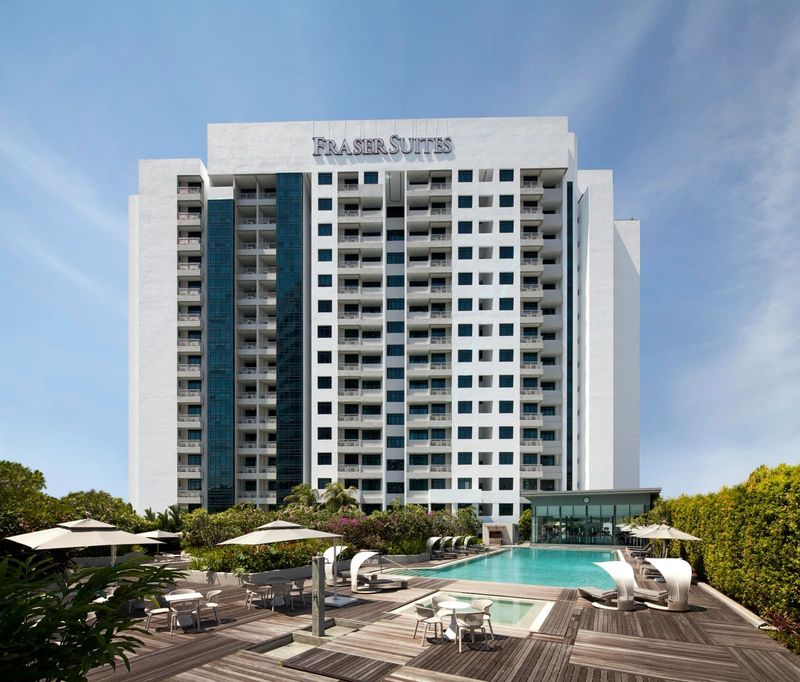
Frasers Property Wins Shareholder Backing for S$2.1 Billion Hospitality Reshuffle
Lim Hui Ying · 3 min

DBS Doubles Down on Asia, Ruling Out Global Expansion
Anand Sundaram · 3 min

Grab Pursues Majority Stake in Buy-Now-Pay-Later Platform Atome
Jun-ho Seo · 3 min

Southeast Asian Firms Overlook Digital Pact Worth USD 2 Trillion
Lim Hui Ying · 4 min
Spot something wrong? Email editor@briefasia.com. We log every correction publicly.