Finance · Markets
Singapore Exchange Retail Trading Reaches 12-Year Peak as Youth Outreach Intensifies
Daily average value jumped 52% year-on-year as SGX cuts board lot sizes and launches site visits to counter perceptions of a staid market
KEY TAKEAWAYS
- ·Singapore Exchange retail securities daily average value grew 52% year-on-year in FY2026, reaching the highest level in 12 years.
- ·Board lot sizes will drop from 100 to 10 units for 11 stocks priced above $10 starting October 5, lowering entry costs for blue-chip counters.
- ·The Singapore market returned 41% over the past year and 125% over five years, outpacing US equity returns in both periods.
Trading Momentum Builds
Singapore Exchange recorded retail securities daily average value growth of 52% year-on-year in the financial year ending June 30, 2026, according to SGX. The figure marks the highest level of retail trading activity in 12 years.
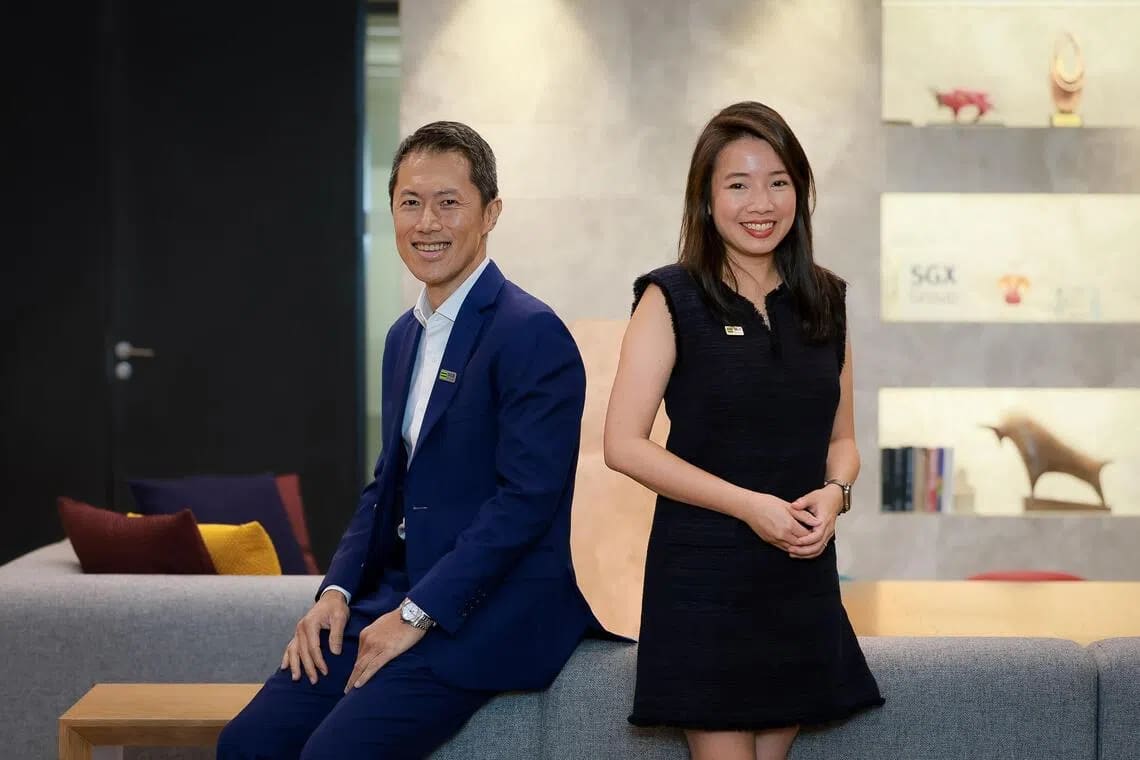
The surge comes as the exchange rolls out measures to attract a younger cohort of investors who have historically viewed the local market as lacking dynamism. Emelia Tan, director of capital market development at SGX, said the exchange is working to dispel misconceptions about the Singapore market.
Young investors often cite the US as the destination for growth stocks, Tan noted, yet many simultaneously park capital in low-risk instruments like Treasury bills and Singapore Savings Bonds rather than local equities. The behavior reflects a disconnect between perception and opportunity, she said.
Performance data tells a different story. Over the past five years, the Singapore stock market delivered a total return of 125%, compared with 73% for US equities. In the most recent 12-month period, local stocks returned 41% against 18% in the US.
Lowering the Entry Barrier
Starting October 5, SGX will reduce the standard board lot size from 100 units to 10 units for instruments priced between $10 and $100. The initial phase targets 11 counters: UOB, OCBC, DBS, Keppel, Venture Corporation, Great Eastern Holdings, Haw Par Corporation, Jardine Cycle and Carriage, Jardine Matheson Holdings, Prudential, and SGX itself.
The change allows investors to enter positions in high-priced blue-chip stocks with significantly less capital. A single board lot of a major bank, previously requiring over $3,000, will now cost closer to $300.
Chan Kum Kong, head of capital market development at SGX, described the move as part of a broader effort to shift investor perceptions. He acknowledged that momentum is only beginning and sustained work is needed to change attitudes.
Exchange-traded funds tracking the Straits Times Index have also gained traction. Assets under management for SGX-listed ETFs grew 43% year-on-year, with STI ETFs and gold ETFs seeing the strongest inflows. Tan highlighted the efficiency of gaining diversified exposure through a single instrument rather than assembling a portfolio of 30 individual stocks.
Direct Access to Management
SGX relaunched Invest in Action in 2026, a program designed to move beyond traditional classroom-style investor education. The initiative includes site visits that allow investors to speak directly with senior management and inspect physical assets, particularly for small- and mid-cap companies.
Real estate investment trusts already offer such visits. The exchange plans to expand the model across other sectors, responding to a tripling of trading activity in small- and mid-cap stocks year-on-year.
The InvestSG website, launched in 2025 and operated by partner AlphaInvest, functions as a social platform for stock discussion. Users can post analysis, share comments, access consolidated research, and view price performance. The site now has more than 50,000 registered users.
Global Listing Board and US Exposure
The Global Listing Board, which allows companies to list concurrently on SGX and Nasdaq with a single set of documents, is part of the broader strategy to attract interest from younger investors. Chan said the initiative targets large companies seeking Asia exposure and could bring names associated with US innovation to the local market.
He emphasized that both the GLB and the main board are meant to complement each other, with the former focused on scale and cross-border appeal.
Looking Further Ahead
Chan outlined a longer-term vision in which newborns receive a government package that includes an allocation to the stock market, creating a two-decade investment horizon before the individual reaches adulthood. The concept aims to build familiarity and vested interest from an early age, even if active trading does not follow.
Tan framed the broader initiative in terms of longevity and inflation. With people living longer and costs rising, exposure to equity markets becomes more critical, she said. The emphasis, she added, should be on time in the market rather than timing the market.
RELATED STORIES
Southeast Asian Exchanges Chase Tech Listings in AI Era
Cheng Wei-Lun · 3 min

Singapore Developer CDL Wins Analyst Upgrades as Earnings Jump
Priyanka V. Rao · 2 min

Singapore Iron Ore Trader Radiant World Faces Multi-Jurisdiction Probe
Priyanka V. Rao · 4 min
Singapore Eyes Retail Fund Expansion as Seoul's Leveraged ETF Losses Sound Warning
Priyanka V. Rao · 4 min
Spot something wrong? Email editor@briefasia.com. We log every correction publicly.