Asia · Politics
Singapore's Full Childcare Leave Reimbursement Wins Employer Praise Despite Staffing Worries
Small businesses signal relief over cost coverage but warn operational gaps from employee absences remain unresolved, particularly in lean sectors like F&B and tech.
KEY TAKEAWAYS
- ·Singapore will fully reimburse employers for childcare leave, granting parents eight to 12 days annually based on number of children under 12, up from the previous six days for younger children and two for older.
- ·Small and medium enterprises warn that while financial relief helps, replacing absent employees remains difficult in lean operations, particularly in sectors like food service and technology that cannot offer remote work.
- ·The Singapore National Employers Federation says enhanced reimbursement gives flexibility to address staffing gaps, though employers with high percentages of caregiving-age workers may need temporary manpower support.
Financial Relief Meets Operational Reality
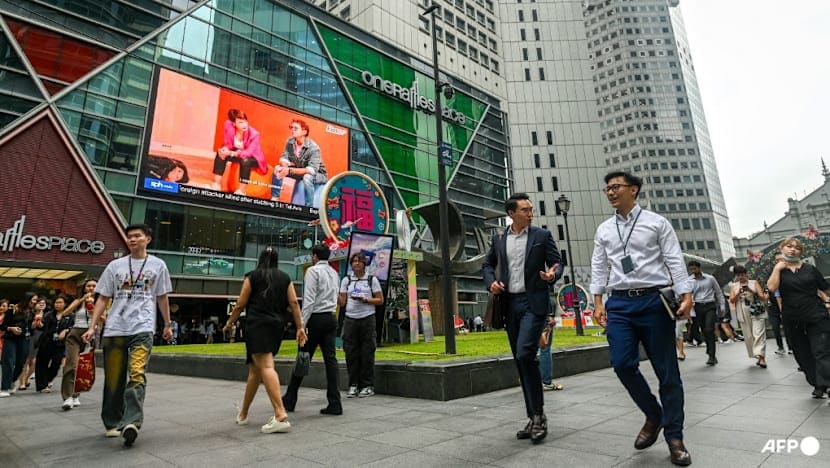
Singapore businesses are giving cautious applause to the government's decision to fully cover the cost of expanded childcare leave, though many small and medium enterprises warn the real challenge lies not in the expense but in replacing absent workers.
Prime Minister Lawrence Wong announced Sunday that parents will receive eight to 12 days of childcare leave each year, depending on the number of Singaporean children under 12 they have. The government will fully reimburse employers for these statutory absences, up to a specified limit. Previously, costs were split between government and private sector.
The move marks a notable shift from the existing structure, where parents with children aged six and below received six days annually, and those with children aged seven to 12 got just two days. Now, leave entitlement scales with family size rather than child age alone.
Leon Lai, chief executive of communications firm Betterment Group and father of two, said advance workflow planning and departmental cooperation can bridge coverage gaps. "I truly believe the merits will offset any gaps that the company might face," Lai said.
Small Firms Flag Lean Operations
Yet for smaller operations running tight teams, the loss of headcount during leave periods creates friction that money alone cannot solve. Ronald Soh, managing director of tech consultancy Win-Pro Consultancy, noted that while the government removes the cost burden, it does not restore the missing employee. "The actual person has also been taken away," Soh said. "SMEs are very lean and they work very tight."
The Singapore National Employers Federation called the reimbursement a significant commitment. CEO Hao Shuo said the enhanced support gives employers more flexibility to adopt measures addressing operational challenges from staff absences, including engaging temporary manpower where appropriate.
Hao acknowledged concerns but suggested impact varies by workforce composition. "Unless you are an employer with a high percentage of employees who have caregiving needs, I would say it is probably more manageable," he said. He added that employers with a large share of workers in the relevant age range may require additional support, such as access to temporary staffing services.
Sector-Specific Pressure Points
Food and beverage operators face particular constraints. Josiah Tan, co-founder of soup outlet OMMA Chicken Soup, said full government reimbursement averts what would have been a significant financial problem. Still, the F&B sector offers no remote work option, forcing employers to find physical replacements. "The root problem is that someone is missing, but the job still needs to be done," Tan said.
Julius Holmefjord-Sarabi, co-founder of music school Aureus Academy, which employs around 750 staff, said the policy reflects a broader national push to support families amid high child-rearing costs. Aureus is positioned to absorb the change thanks to its curriculum structure and scale, though challenges remain, such as sourcing replacement teachers and managing customer expectations around instructor continuity.
"At the end of the day, we feel like overall it's still manageable, it's still workable," Holmefjord-Sarabi said. He noted that impact will vary by team and sector, with some facing steeper operational hurdles than others.
Policy Context and Regional Implications
The enhanced leave scheme sits within a suite of family support measures Singapore has rolled out in recent years, aiming to lift one of the world's lowest fertility rates. The city-state's total fertility rate stood at 0.97 in 2023, well below the replacement level of 2.1.
By absorbing the full cost of statutory leave, Singapore joins a small group of Asian economies attempting to ease the trade-off between workforce participation and family formation. Yet the business response underscores a recurring tension: financial subsidies address one constraint, but do not resolve the logistical complexity of maintaining operations with a fluctuating workforce.
For now, the policy tests whether operational flexibility, temporary staffing markets, and workflow redesign can keep pace with expanding leave entitlements. Small businesses, in particular, will serve as the bellwether for whether Singapore's family support ambitions align with the realities of running lean teams in competitive sectors.
RELATED STORIES

DBS Hires 10% More Staff in Singapore as AI Adoption Tops 70%
Priyanka V. Rao · 3 min
Singapore and Vietnam Launch Strategic Dialogue on Talent and Technology
Priyanka V. Rao · 3 min
Singapore Plans Western Island Megaproject to Anchor Next-Generation Industries
Lim Hui Ying · 4 min
Singapore Rolls Out Expanded Benefits as Fertility Hits Record Low
Lim Hui Ying · 5 min
Spot something wrong? Email editor@briefasia.com. We log every correction publicly.