Asia · Business
Singapore Plans Western Island Megaproject to Anchor Next-Generation Industries
Semakau, Bukom, and Pulau Sudong will be merged into a single landmass for advanced manufacturing, power infrastructure, and military use, replicating the Jurong Island model from five decades ago.
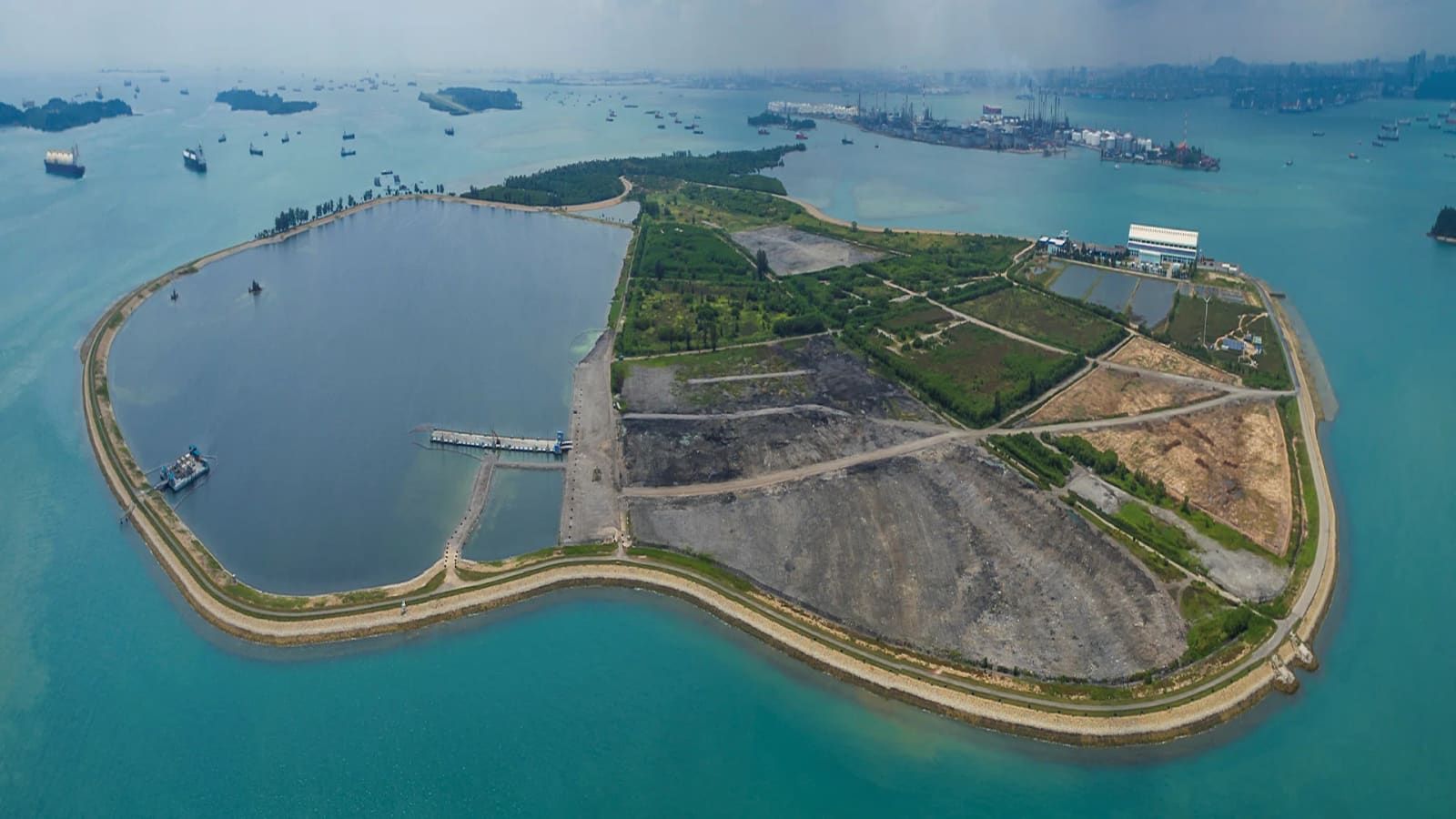
KEY TAKEAWAYS
- ·Singapore will merge Semakau, Bukom, Pulau Sudong, and smaller islands into a new Western island for advanced manufacturing, power generation, and military facilities.
- ·The project mirrors Jurong Island's creation in the 1990s, which established Singapore as a global petrochemical hub and is expected to shape the economy for the next fifty years.
- ·Two new transport links will connect the mainland to Jurong Island and Jurong Island to the Western island, addressing capacity constraints and enabling integrated industrial operations.
A Half-Century Blueprint Revisited
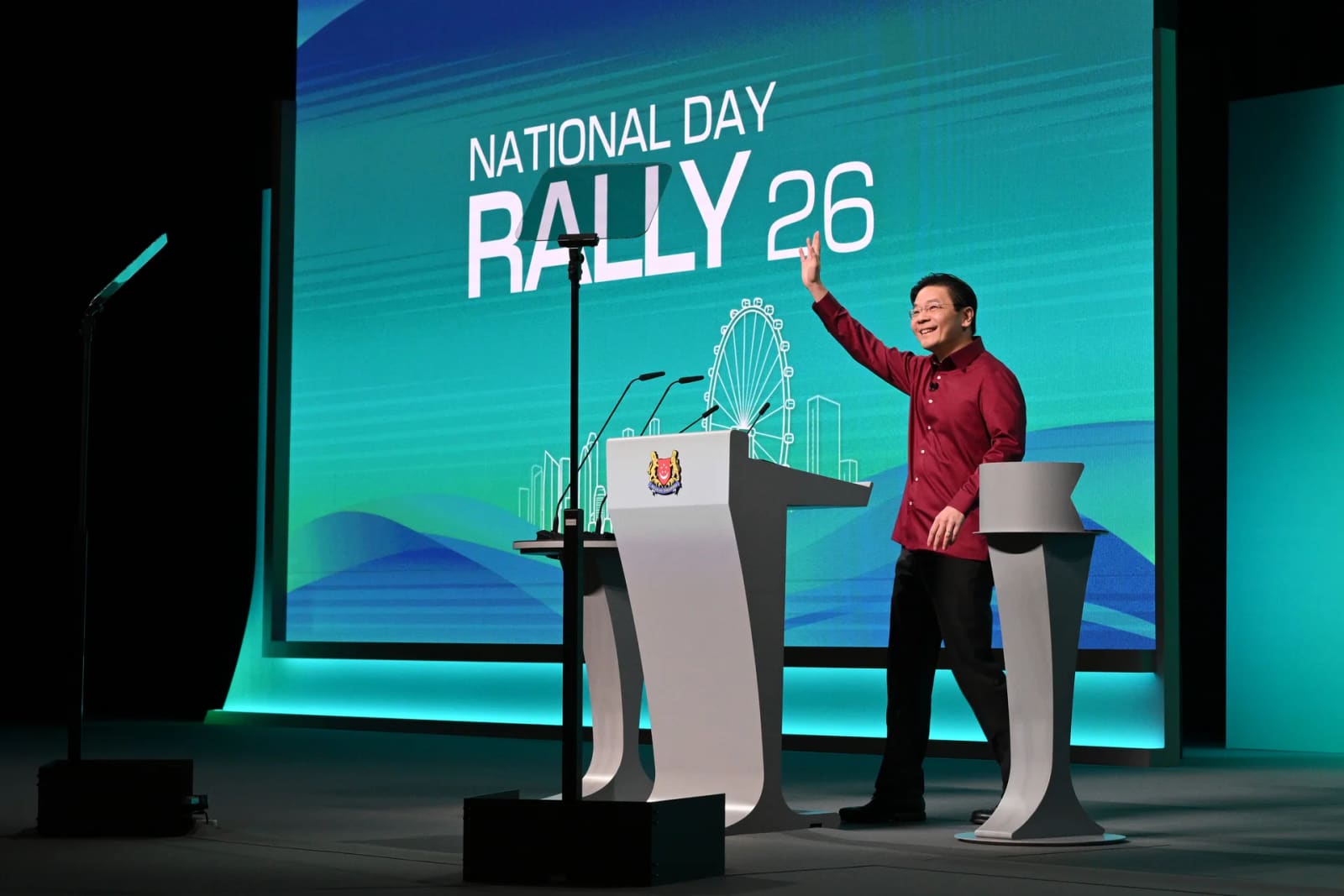
Singapore will combine several islands south of Jurong Island into a single large landmass designed to anchor what Prime Minister Lawrence Wong described as "a new generation of industries." The long-term reclamation plan, announced during the National Day Rally on August 23, targets Semakau, Bukom, Pulau Sudong, and smaller surrounding islands for integration.
The strategy mirrors the creation of Jurong Island, which the government assembled from multiple smaller islands beginning in the 1990s. That project delivered a petrochemical and energy hub that now accounts for a significant share of Singapore's industrial output and secures the city-state's position in global energy supply chains.
Wong positioned the new Western island as the next iteration of that model, capable of shaping Singapore's economy for the next fifty years. The project remains in the study phase, with detailed engineering and environmental assessments still underway, according to the prime minister.
What Will Occupy the New Land
Unlike Jurong Island, which concentrated on refining and petrochemicals, the Western island will host a broader industrial mix. Advanced manufacturing facilities will form a core component, though Wong did not specify which sectors. The term typically encompasses semiconductor fabrication, precision engineering, biotechnology production, and aerospace components in Singapore's industrial lexicon.
Power generation infrastructure will occupy another major zone. Singapore faces rising electricity demand driven by data centers, expanded manufacturing, and broader electrification of transport and heating. The island will provide space for generation assets that cannot fit within the densely built mainland.
The Singapore Armed Forces will retain access to military facilities, including the existing airstrip on Pulau Sudong, which currently serves as an emergency backup for air operations. Consolidating defense infrastructure on the new island allows the military to conduct exercises and maintain readiness without competing for land with civilian uses on the main island.
Current Uses and Transition Challenges
Semakau currently houses Singapore's only offshore landfill, a carefully engineered site that accepts incinerated waste ash. The facility has operated since 1999 and was designed to last until the late 2030s, though waste reduction and recycling programs have extended its lifespan. Relocating or redesigning waste disposal infrastructure will be a prerequisite for redevelopment.
Bukom remains home to one of Singapore's earliest refineries, operational since the 1960s. The island hosts storage tanks and processing units for petroleum products. Any reclamation plan must account for decommissioning legacy facilities or integrating them into the new layout.
Pulau Sudong's airstrip already provides the skeleton of military infrastructure. Expanding that footprint while accommodating industrial zones will require careful zoning to manage noise, safety buffers, and operational access.
Infrastructure Links and Logistics
Wong announced two new transport connections tied to the Western island project. A second causeway will link the mainland to Jurong Island, easing congestion on the existing road, which handles heavy truck traffic moving chemicals, fuel, and industrial materials. The current link operates near capacity during peak hours, creating bottlenecks for just-in-time supply chains.
A separate bridge or causeway will connect Jurong Island directly to the new Western island, creating a contiguous industrial corridor. This design allows companies to integrate operations across both sites, sharing utilities, logistics, and workforce transport without routing through the mainland.
The infrastructure investments signal that the government expects significant industrial activity. Building dual links requires substantial capital and long construction timelines, suggesting the Western island will be more than a speculative land bank.
Regional Context and Competitive Pressure
Singapore's land reclamation strategy unfolds against intensifying regional competition for high-value manufacturing. Malaysia is expanding its semiconductor and data center footprint in Johor, while Indonesia is building industrial parks in Batam and Bintan with lower land and labor costs. Vietnam and Thailand continue to attract electronics and automotive investments with generous incentives.
The Western island offers Singapore a way to add industrial capacity without further densifying the main island, where residential, commercial, and recreational uses compete for space. By pushing heavy industry offshore, the government can maintain liveability standards in urban areas while still growing its economic base.
Energy security considerations also drive the project. Singapore imports virtually all its natural gas and petroleum, making it vulnerable to supply disruptions. Expanding power generation and storage capacity on the Western island could support a more diversified energy mix, potentially including hydrogen production, battery storage, or floating solar arrays in surrounding waters.
Timeline and Execution Risks
Wong did not provide a completion date or cost estimate, describing the initiative as part of "long-term plans" still under study. Jurong Island took roughly two decades from initial reclamation to full build-out, suggesting a similar timeline for the Western island. Environmental approvals, engineering design, and phased construction could extend the project into the 2040s.
Execution risks include cost overruns, environmental impacts on marine ecosystems, and the challenge of attracting anchor tenants before infrastructure is complete. Singapore's earlier reclamation projects succeeded in part because the government secured commitments from multinational corporations early, providing revenue certainty that justified infrastructure spending.
The geopolitical environment adds uncertainty. Trade tensions, export controls on advanced technology, and shifting supply chain patterns could alter demand for the types of facilities Singapore plans to host. If semiconductor or biotech companies reduce their Asia exposure, the Western island could face lower-than-expected take-up rates.
A Fifty-Year Bet on Industrial Relevance
The Western island represents a wager that Singapore can remain a critical node in global manufacturing and energy networks despite its high costs and limited land. The project assumes that advanced industries will continue to value political stability, rule of law, skilled labor, and connectivity enough to pay a premium for Singapore locations.
Whether that assumption holds will depend on technological shifts, trade policy, and competition from neighboring countries. But by committing to large-scale reclamation now, Singapore is ensuring it has the physical capacity to compete, even if the exact industries that occupy the island remain uncertain.
RELATED STORIES
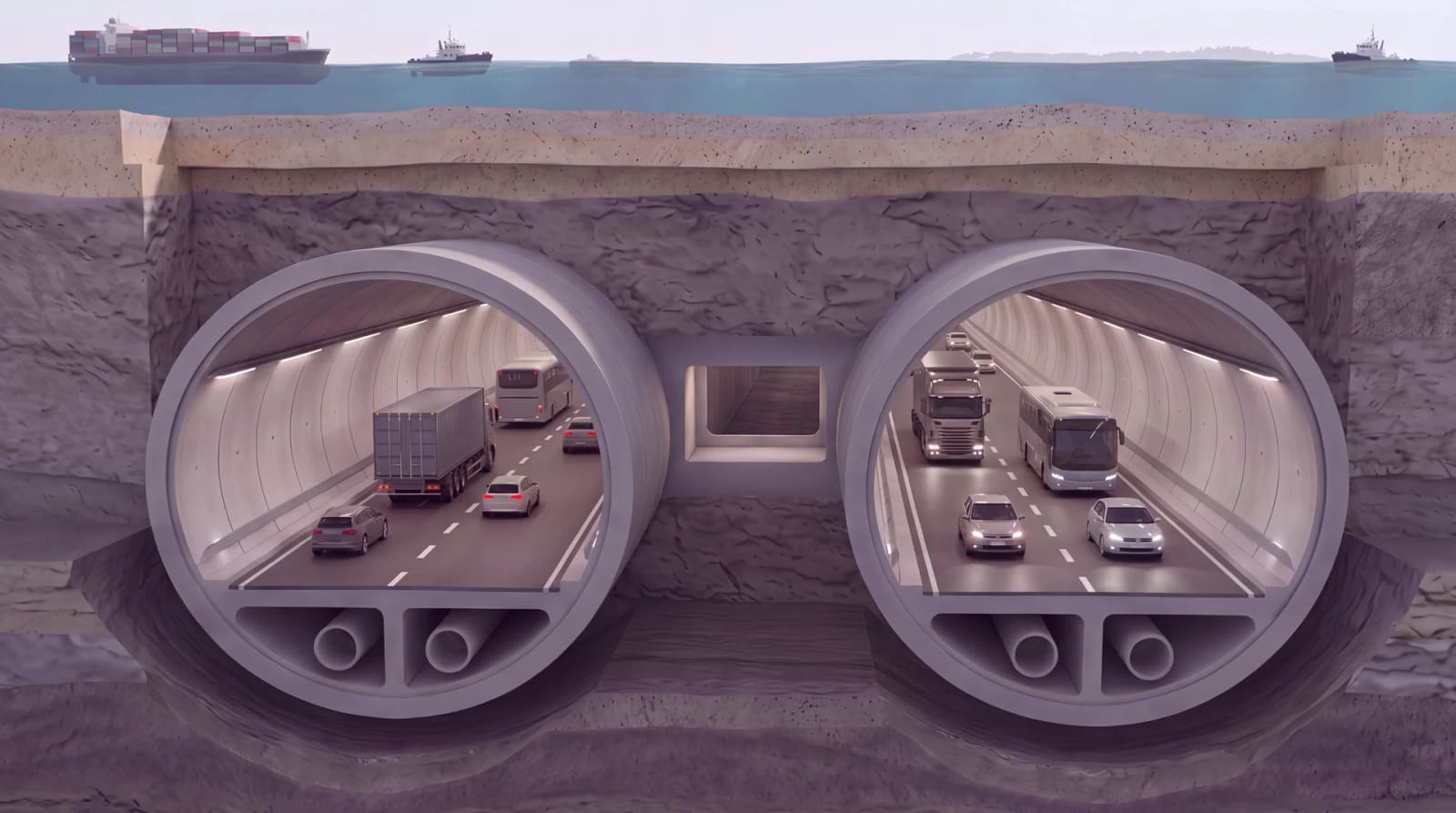
Singapore Eyes Undersea Tunnels to Link Mainland with Pulau Tekong
Lim Hui Ying · 2 min
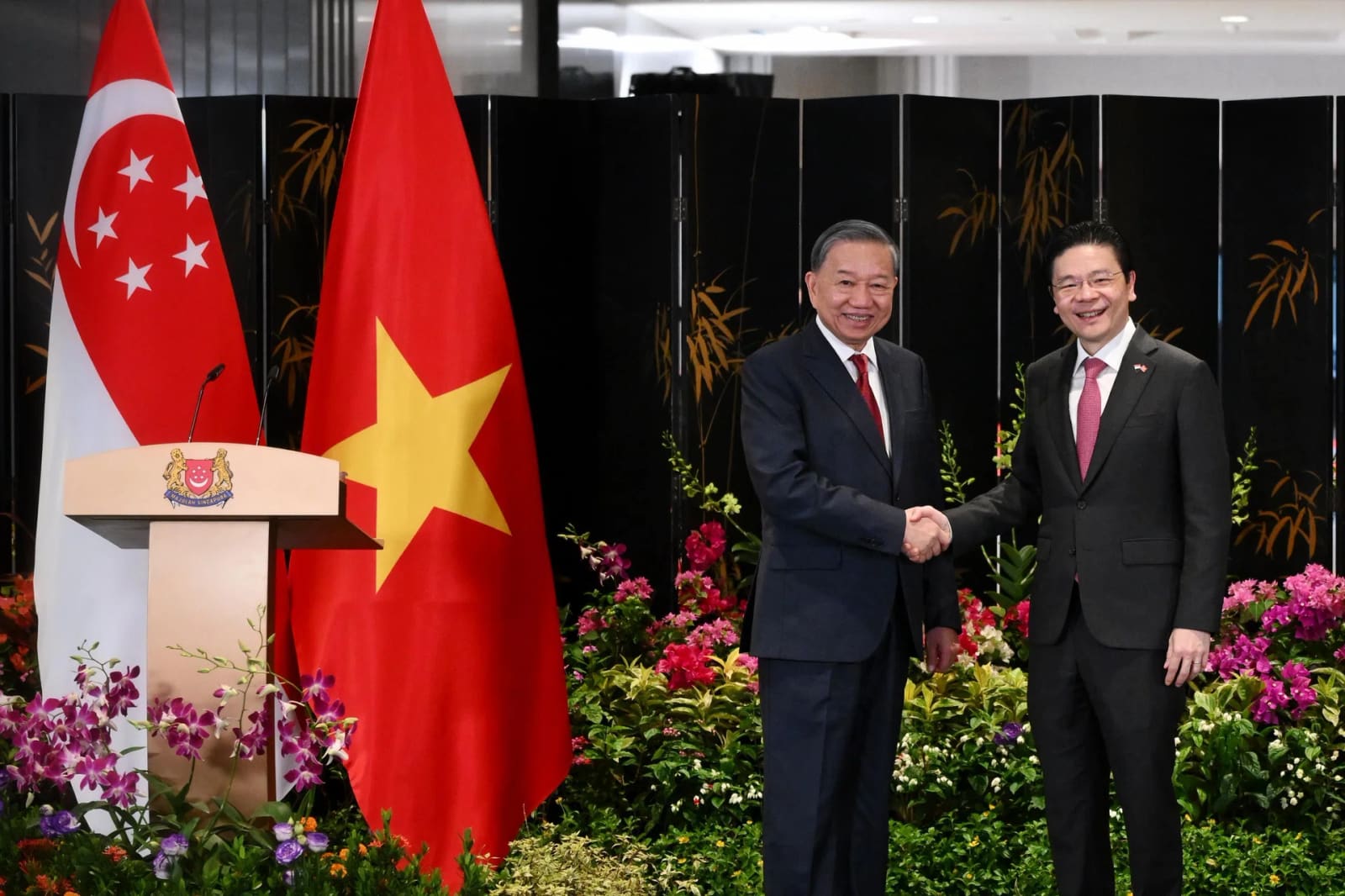
Singapore and Vietnam Launch Strategic Dialogue on Talent and Technology
Priyanka V. Rao · 3 min
Singapore Rolls Out Expanded Benefits as Fertility Hits Record Low
Lim Hui Ying · 5 min
Singapore Pushes Back on US Tariff Expectations as Trade Tensions Reshape Global Order
Priyanka V. Rao · 3 min
Spot something wrong? Email editor@briefasia.com. We log every correction publicly.