Lifestyle · Health
Singapore Targets Biomedical R&D and AI to Build USD 10 Trillion Longevity Economy
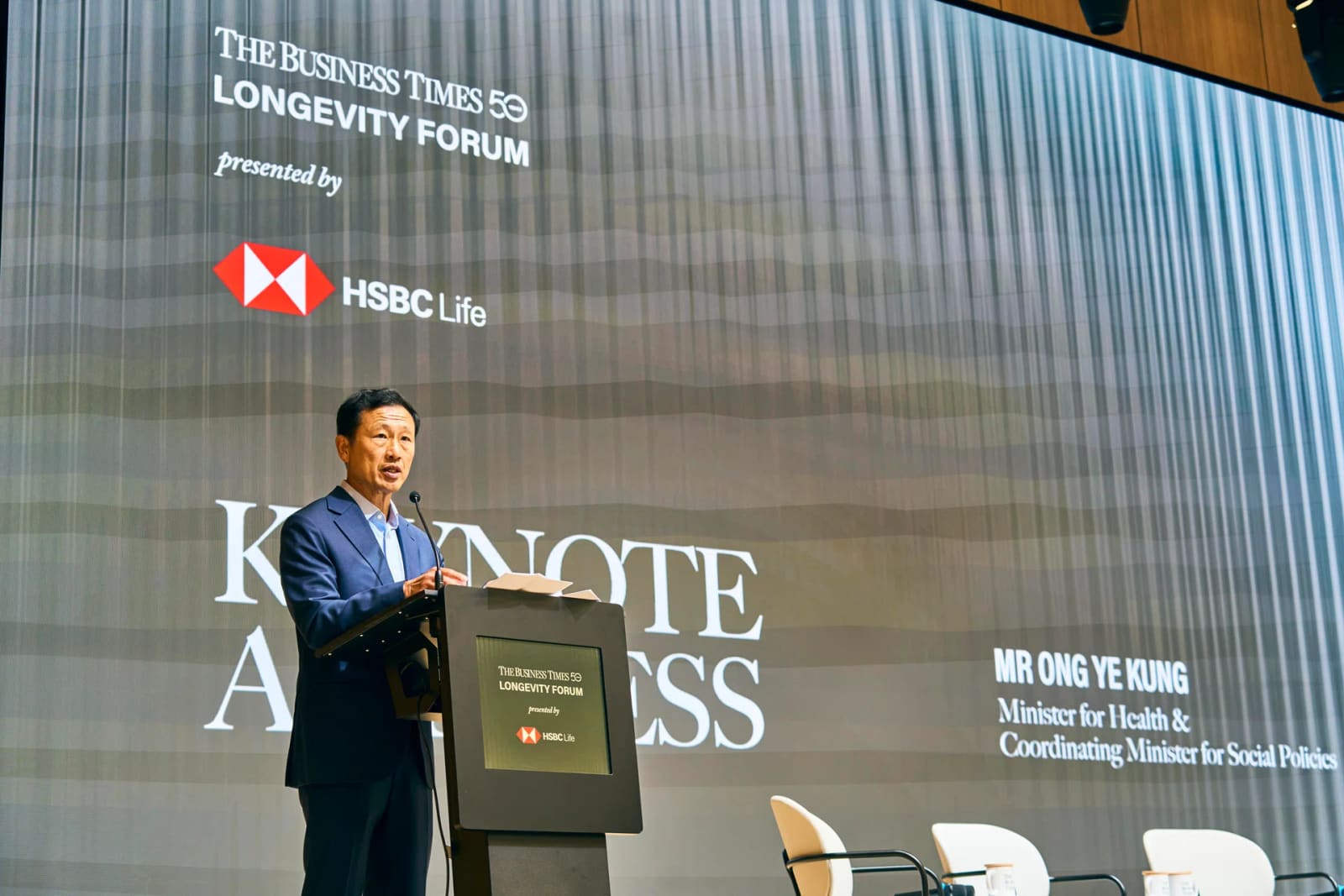
Health Minister Ong Ye Kung warns against "buffet syndrome" insurance models as the city-state positions itself as a clinical trials hub and regulatory gateway for Asia
KEY TAKEAWAYS
- ·Singapore plans to build a longevity economy targeting biomedical R&D, clinical trials, nutrition innovation, and AI-driven healthcare as its population becomes super-aged and the global wellness market approaches USD 10 trillion by 2030.
- ·Health Minister Ong Ye Kung warned that overly generous health insurance can create a buffet syndrome driving unnecessary diagnostic tests and procedures, inflating costs without improving health outcomes.
- ·The government will streamline clinical trials processes and leverage HSA regulatory approvals recognized by over ten overseas regulators to position Singapore as a gateway to regional markets for new medicines and medical devices.
The Spending Power of Age
Singapore is betting on its greying population to unlock new economic growth, but only if it can navigate the tension between commercial opportunity and public health imperatives. Health Minister Ong Ye Kung laid out the Republic's vision at a recent longevity forum, identifying biomedical manufacturing, clinical trials infrastructure, food science innovation, and artificial intelligence as priority sectors.
The economic case is straightforward. Global wellness spending climbed from USD 4 trillion a decade ago to USD 7 trillion in 2024, with projections approaching USD 10 trillion by 2030. Baby boomers outspend Generation Z travelers by roughly three times, according to McKinsey research cited by Ong. As Singapore's elderly cohort grows wealthier, demand for retirement housing, investment products, insurance, wellness services, and medical care is set to rise sharply.
Singapore already hosts more than 80 regional headquarters of leading biomedical companies, alongside over 90 manufacturing plants and 30 research centers. The sector generated more than SGD 30 billion in output last year. Ong announced measures to deepen that footprint, including streamlined contract review processes across public healthcare providers, a harmonized budget template, and a fast-track ethics review lane at SingHealth to make the city-state more attractive for pharmaceutical clinical trials.
Regulatory Leverage
The Health Sciences Authority's approvals carry weight beyond Singapore's borders. More than ten overseas regulators recognize HSA decisions, effectively positioning the Republic as a regulatory gateway to regional markets. Securing approval in Singapore can accelerate market entry across Southeast Asia and beyond, Ong noted, while giving local patients earlier access to new treatments than counterparts in many neighboring markets.
Nutrition and food science represent another growth vector. Ong called for Singapore to establish itself as a research and manufacturing hub for innovative food products tailored to healthy ageing, though he offered few specifics on incentives or policy frameworks to support that ambition.
Artificial intelligence is expected to permeate hospital operations, clinical decision-making, and preventive care identification. The minister did not detail deployment timelines or investment figures, but framed AI as a core pillar of the longevity economy strategy alongside biomedical R&D and regulatory services.
The Over-Insurance Trap
Ong devoted substantial attention to the risks of misaligned incentives. He reiterated his long-standing warning against overly generous health insurance schemes, which he said can trigger a "buffet syndrome" where anxious patients undergo unnecessary diagnostic scans, medication, and procedures. The result is higher costs without improved health outcomes or meaningful wealth creation.
"Healthcare is fundamentally an essential public service," Ong said. "The wrong kind of growth can seriously undermine the public and social objective of healthcare."
The minister argued that not every commercial opportunity in healthcare should be pursued. If unnecessary treatment and over-servicing become widespread, Singapore risks inflating costs without delivering better health or greater prosperity.
Government as Market Architect
Ong called for a deliberate partnership between government and private sector, rejecting a purely market-driven approach to healthcare. He said the government must "lean forward" by setting clear public health objectives and policy frameworks such as Healthier SG, Age Well SG, and Nutri-Grade labeling, then working with industry to shape markets rather than regulating from a distance.
That includes sharing problem statements with enterprises, supporting responsible innovation, and co-developing solutions to address the challenges of an ageing population. Ong framed the approach as leveraging the commercial sector's energy, creativity, and capital while anchoring the longevity economy on affordability, dignity, and public purpose.
Singapore has never pursued economic growth at all costs, he noted. Healthcare requires a careful balance between commercial opportunities and the public good, with government acting as both partner and guardrail to ensure the longevity economy improves lives rather than simply driving spending.
RELATED STORIES
China's Beverage Giants Face Profitability Test After Rapid Expansion
Jun-ho Seo · 3 min
Southeast Asian Firms Overlook Digital Pact Worth USD 2 Trillion
Lim Hui Ying · 4 min

Singapore Fintechs Add Hundreds of Staff as AI Fuels Expansion
Priyanka V. Rao · 3 min

Singapore Faces Energy Supply Crunch as Data Centres Expand
Priyanka V. Rao · 3 min
Spot something wrong? Email editor@briefasia.com. We log every correction publicly.