Lifestyle · Consumer
China's Beverage Giants Face Profitability Test After Rapid Expansion
Luckin Coffee, Chagee and Mixue now confront the challenge of sustaining margins as store networks reach saturation levels across Asia
KEY TAKEAWAYS
- ·Luckin Coffee added 2,714 stores in Q2 2026, reaching 36,310 locations, with revenue up 28.5 per cent year on year.
- ·Chagee is shifting from franchise-heavy expansion to direct ownership to improve unit economics and brand control.
- ·High store density risks cannibalising same-store sales and compressing margins, a challenge shared by beverage and retail operators across Asia.
The Saturation Question
China's beverage chains have mastered the art of rapid rollout. Luckin Coffee added 2,714 stores in the second quarter of 2026 alone, bringing its network to 36,310 locations. Revenue climbed 28.5 per cent year on year during the same period, according to the company's quarterly filing. Yet the real test is no longer how fast these chains can open doors, but whether each additional store strengthens or dilutes the business.
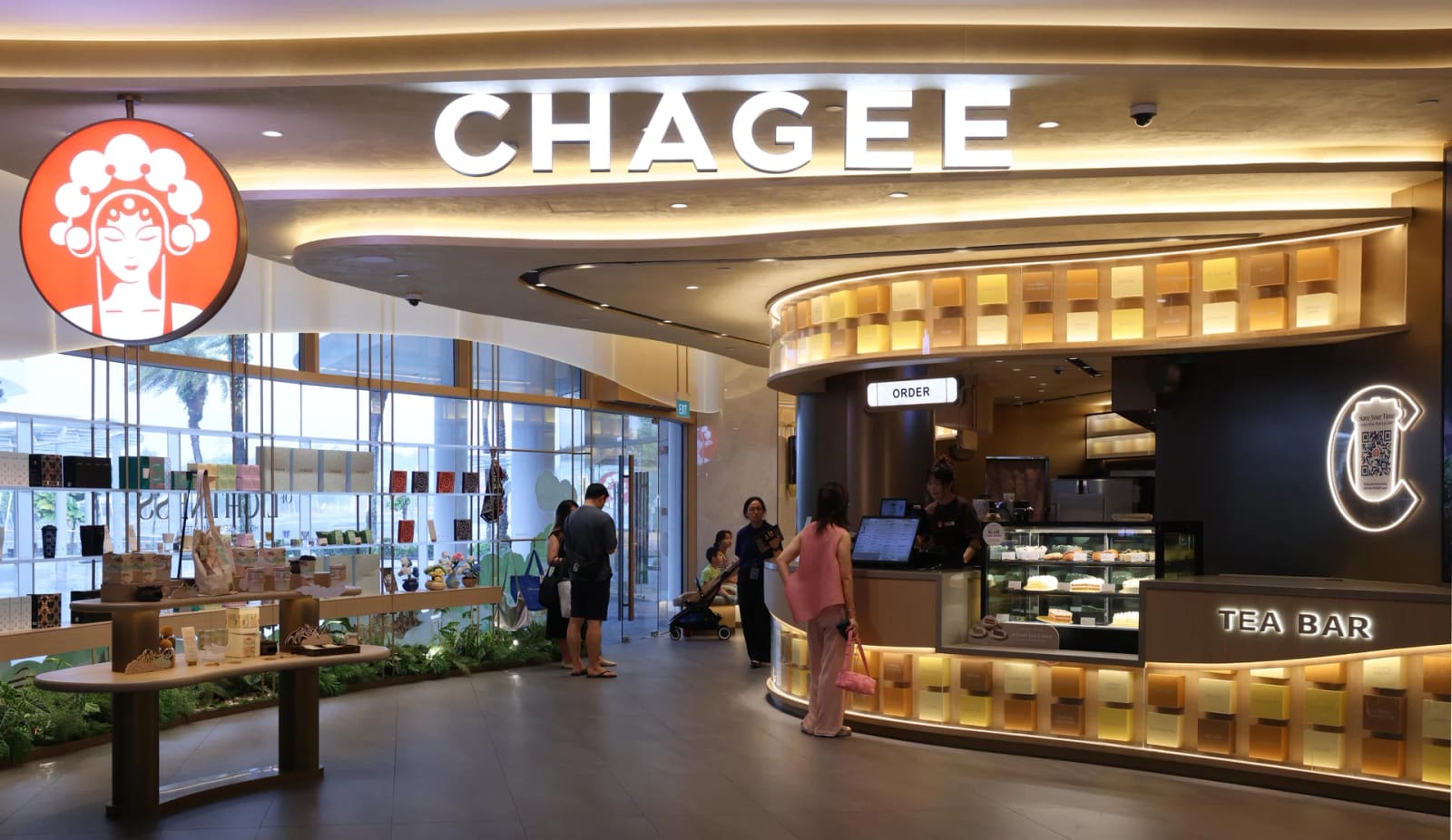
The pivot is subtle but material. Chagee, the milk-tea brand that operates a flagship at VivoCity in Singapore, is shifting away from its franchise-heavy structure towards greater direct ownership. The move reflects a recognition that store count, by itself, is an incomplete metric. Quality of scale matters more than sheer footprint when networks reach density thresholds where new outlets begin competing with existing ones for the same customer base.
Revenue Growth Versus Unit Economics
Luckin's second-quarter performance illustrates the tension. While top-line growth remains robust, the addition of nearly three thousand stores in three months raises questions about unit-level returns. High store density can compress same-store sales, increase delivery overlap and erode localised pricing power. For beverage chains operating on thin margins, even small declines in average transaction value or daily throughput can turn a profitable location into a drag on system-wide economics.
Mixue, another major player in the low-cost segment, faces similar dynamics. Its franchise model allowed for explosive geographic reach, but sustaining franchisee profitability as stores cluster more tightly requires operational discipline that many chains have yet to demonstrate consistently. The challenge is not unique to China. Singapore operators in food and beverage, as well as broader retail, confront the same calculus: when does opening the next location start cannibalising the last?
Ownership Models Under Pressure
Chagee's strategic shift towards direct ownership signals an attempt to regain control over customer experience and margin structure. Franchise models excel at capital-light expansion but sacrifice margin capture and brand consistency. As competition intensifies, chains that retain more operating control can adjust pricing, product mix and labour deployment more nimbly than franchisors reliant on contractual compliance from dispersed operators.
The trade-off is capital intensity. Direct ownership demands higher upfront investment and exposes the parent company to location-specific risk. For Chagee, the bet is that tighter operational oversight will yield better long-term unit economics, even if it slows the pace of new openings. Whether this strategy proves more resilient than franchise-led scale will depend on execution, particularly in markets outside China where brand recognition and supply-chain efficiency are less established.
Regional Implications
The question of sustainable expansion resonates beyond China's borders. Singapore's beverage and retail sectors have watched Chinese chains enter with aggressive store plans and promotional pricing. If those chains now face margin pressure at home, their appetite for subsidising overseas growth may diminish. That could create breathing room for incumbent operators, or it could accelerate consolidation as weaker players exit and stronger ones refine their models.
For regional investors, the lesson is that store-count headlines are a lagging indicator. Metrics such as same-store sales growth, cash flow per location and franchisee renewal rates offer clearer signals of whether a chain's expansion is building durable value or simply deferring a reckoning. Luckin's ability to sustain double-digit revenue growth while adding thousands of stores is impressive, but the next phase will hinge on whether those stores generate returns above their cost of capital.
What Comes Next
The beverage sector's maturation in China will likely force a shake-out. Chains that can optimise their existing networks, improve supply-chain leverage and refine their ownership structures will pull ahead. Those that continue to prioritise store openings over profitability per unit risk discovering that scale without margin discipline is a liability, not an asset.
Chagee's ownership pivot and Luckin's ongoing expansion represent two different bets on the same underlying question: is the next phase of growth about going deeper or going wider? The answer will shape not only China's domestic beverage landscape but also the trajectory of these brands as they push into Southeast Asia, where consumer density and real-estate costs present a different set of constraints.
RELATED STORIES

Shein Drops 4% in Hong Kong Debut as Tariff Pressure Weighs on Valuation
Priyanka V. Rao · 4 min

China's Social Security Fund Doubles Offshore Holdings to $86 Billion
Jun-ho Seo · 3 min

China Tightens Pre-Sale Mortgage Release to Protect Homebuyers Amid Stalled Market
Cheng Wei-Lun · 3 min
China's Battery Dominance Faces Quality Test as CALB Defect Spreads
Anand Sundaram · 3 min
Spot something wrong? Email editor@briefasia.com. We log every correction publicly.