Technology · AI
Singapore's AEM Issues Rare Earnings Forecast as AI Chip Testing Demand Surges
The semiconductor test-equipment maker projects full-year EPS of S$0.245 to S$0.275, marking an unusual move for a listed firm in the city-state
KEY TAKEAWAYS
- ·AEM issued full-year 2026 EPS guidance of S$0.245 to S$0.275, the first time the Singapore-listed semiconductor test-equipment maker has provided such a forecast.
- ·The move reflects confidence driven by AI chip complexity, which requires longer and more sophisticated testing cycles that benefit equipment suppliers like AEM.
- ·AEM is particularly bullish on the outsourced semiconductor assembly and test segment, where fabless designers and device manufacturers rely on third-party specialists for validation.
A Bet on Visibility
AEM, a mainboard-listed semiconductor test-equipment maker in Singapore, has taken a step few of its peers attempt: publishing full-year earnings guidance. The company projects 2026 earnings per share between S$0.245 and S$0.275, the first time it has offered such specificity to investors.
The move signals confidence rooted in the AI boom. As chips grow more complex to handle machine-learning workloads, testing becomes a larger, longer and more lucrative part of the manufacturing cycle. AEM makes the equipment that handles that testing, and right now its order books reflect a market that is willing to pay for precision.
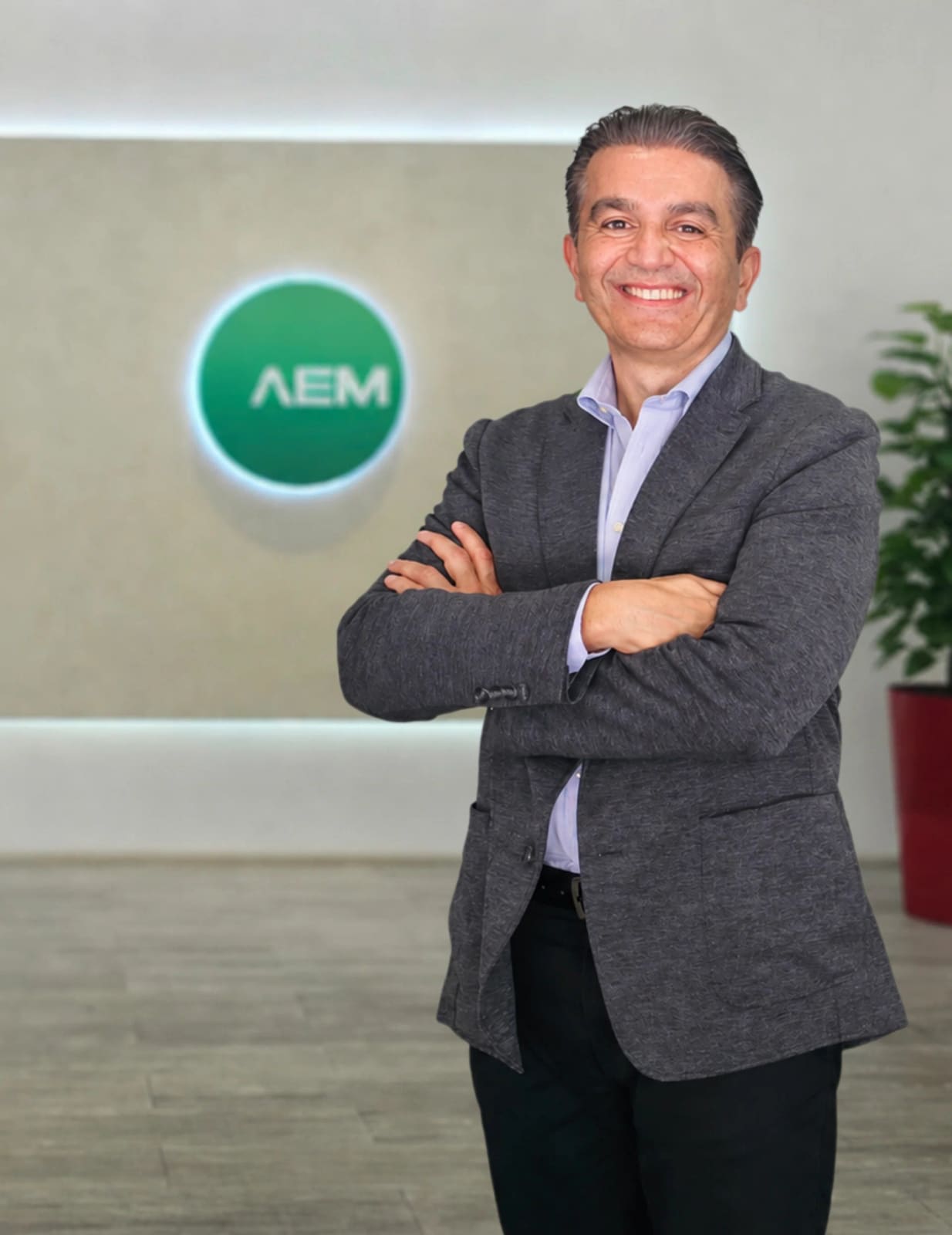
Chief executive Samer Kabbani told investors the guidance was designed to reinforce confidence in the firm's trajectory. It is an unusual degree of transparency in a region where most listed companies avoid tying themselves to numerical forecasts, preferring qualitative outlooks or broad ranges.
Why Testing Matters More Now
The shift is tied to architecture. AI chips, particularly those used in data centres and edge computing, carry billions of transistors arranged in intricate patterns. They run hotter, draw more power and fail in subtler ways than previous generations. That means longer test cycles and more sophisticated equipment.
AEM is particularly optimistic about the outsourced semiconductor assembly and test segment, known in the industry as OSAT. This is the part of the supply chain where fabless chip designers and integrated device manufacturers send their wafers to third-party specialists for packaging and validation. As design houses push the envelope on performance, OSAT providers need better tools. AEM supplies those tools.
The guidance was released alongside the company's half-year results earlier this month. While the firm did not disclose revenue or profit figures in the excerpt available, the EPS range implies management sees a stable second half, barring any sudden inventory corrections or demand shocks.
The Asia Angle
Singapore remains a critical node in the global semiconductor ecosystem, home to fabrication plants, design centres and a dense network of equipment suppliers. AEM sits at the intersection of that ecosystem and the broader Southeast Asian electronics manufacturing base, which has absorbed capacity as companies diversify supply chains away from single-country concentration.
The company's willingness to issue guidance also reflects a maturation of the local capital market. Institutional investors have long complained that Singapore-listed small and mid-cap tech firms offer limited visibility compared to peers in Taiwan or South Korea, where quarterly guidance is more common. AEM's move may set a precedent, especially if the forecast proves accurate.
Across the region, semiconductor equipment makers are enjoying a rare alignment of demand drivers: AI infrastructure build-out, automotive electrification, and edge device proliferation. All three require chips that must be tested at volume. The question is how long the cycle lasts. AEM's guidance suggests it expects momentum to hold at least through year-end.
What Comes Next
Investors will watch whether AEM continues the practice in future quarters or whether this was a one-off gesture to calm nerves after a volatile first half. The company has not historically been a frequent communicator of forward-looking metrics, so the shift in posture is noteworthy.
The broader test-equipment market in Asia is fragmented, with players ranging from multinational giants to specialist locals. AEM competes on speed and customisation, offering bespoke solutions for customers with tight time-to-market windows. If AI chip design continues to evolve rapidly, that agility could prove more valuable than scale.
For now, the company is betting that transparency will be rewarded. The EPS range is tight enough to be meaningful but wide enough to absorb minor swings in utilisation or component costs. Whether other Singapore-listed tech firms follow suit will depend on how investors react when AEM reports its full-year numbers.
RELATED STORIES

Apple's iMessage Becomes Latest Front in Singapore's Fight Against Financial Fraud
Priyanka V. Rao · 5 min

Singapore Rolls Out AI Training for Legal Professionals as Tech Sector Opens 2,000 Jobs
Priyanka V. Rao · 3 min
Gen Z Founders Launch Singapore Bullion Startup With S$500,000 Pooled Capital
Lim Hui Ying · 3 min

Singapore Backs Autonomous Vehicle Rollout Despite Taxi Industry Disruption
Lim Hui Ying · 3 min
Spot something wrong? Email editor@briefasia.com. We log every correction publicly.