Technology · Policy
Apple's iMessage Becomes Latest Front in Singapore's Fight Against Financial Fraud
Authorities have taken down more than 30,000 fraudulent accounts as scammers exploit messaging blind spots beyond traditional SMS filters
KEY TAKEAWAYS
- ·Singapore authorities shut down over 30,000 iMessage accounts tied to scams since June, with losses climbing from S$1.2 million to S$2.2 million in weeks.
- ·Fraudsters exploit iMessage to bypass SMS-level filters and trick victims into surrendering card details and one-time passwords for real-time account takeover.
- ·Unlike SMS, iMessage traffic routes through Apple's servers and falls outside Singapore's network-level scam defenses and Sender ID Registry.
A New Vector for Old Tactics
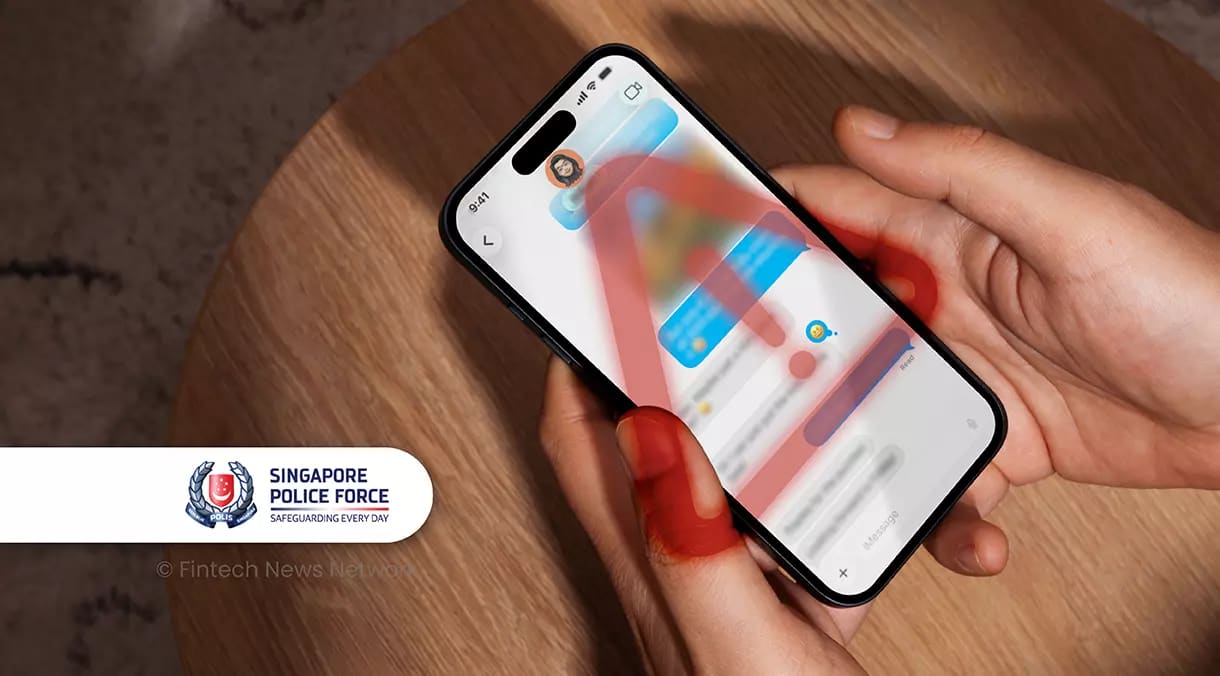
Singapore authorities have shut down more than 30,000 Apple iMessage accounts connected to fraud operations since June, as financial losses from these schemes reached S$2.2 million. The figure represents a sharp escalation from the S$1.2 million reported in early August, underscoring how quickly scammers have pivoted to messaging platforms that sit outside the city-state's established defenses.
The campaigns impersonate logistics providers including Ninja Van, J&T Express, and SPX Express, alongside government bodies and banks. Messages arrive from international phone numbers or email addresses built from seemingly random alphanumeric strings. Recipients are told a parcel is stuck in transit, a fee remains unpaid, or an account requires immediate verification. The landing pages mirror legitimate brands closely enough to fool hurried users.
What sets these operations apart is their technical sophistication. Fraudsters have begun prompting recipients to respond with a single character such as "Y" or "1" before displaying a clickable link. Authorities believe this tactic is designed to bypass an iMessage security feature that suppresses links from unrecognized senders until the recipient engages. By eliciting even a minimal reply, scammers unlock the ability to deliver phishing URLs directly into the conversation thread.
The Mechanics of Account Takeover
Once a victim clicks through to a fraudulent site, the scam follows a well-worn playbook. The page requests a nominal payment, often framed as a customs duty or delivery surcharge, and prompts the user to enter card credentials or online banking login details. In many cases, victims also provide one-time passwords generated by their banks, believing they are authorizing a small transaction.
Scammers then leverage these credentials in real time. Stolen card details are added to Apple Pay or Google Pay wallets on devices controlled by the attackers. Banking digital tokens, which authenticate transactions on mobile devices, are registered to unfamiliar hardware. With both card details and the one-time password in hand, fraudsters can drain accounts before the victim realizes what has occurred. Most targets discover the breach only after spotting unauthorized transactions in their statements, by which point multiple charges may have already cleared.
The speed of these operations reflects the industrialization of fraud in Asia. Organized groups operate across borders, often from jurisdictions with weak enforcement, and deploy standardized toolkits that can be adapted to local brands and languages within hours. Singapore's role as a regional financial hub makes it a high-value target, and the city-state's high smartphone penetration offers scammers a large attack surface.
Why iMessage Eludes Existing Defenses
Unlike traditional SMS, iMessage traffic does not pass through the same network infrastructure that Singapore's telecom operators monitor. The service routes messages through Apple's servers using internet protocols, placing it beyond the reach of carrier-level filters that have proven effective against SMS-based scams. Singapore's SMS Sender ID Registry, which allows users to verify whether a message genuinely originates from a registered organization, does not cover iMessage at all.
This architectural difference creates a blind spot. While SMS scams can be intercepted or flagged before they reach a user's inbox, iMessage campaigns arrive with minimal friction. The platform's end-to-end encryption, a feature designed to protect privacy, also limits the ability of third parties, including law enforcement, to inspect message content in transit. Authorities must instead rely on user reports and post-incident forensics to identify and disable malicious accounts.
The challenge is compounded by the global nature of iMessage. Scammers can register accounts using email addresses or phone numbers from any country, making it difficult to trace the origin or enforce jurisdiction-specific rules. Apple's centralized control over the platform means that large-scale disruptions require coordination with the company, a process that can be slower than network-level interventions managed by local telecom regulators.
Regional Implications and Enforcement Gaps
Singapore's experience with iMessage fraud reflects a broader trend across Asia, where messaging apps have become critical infrastructure for commerce and communication. Platforms such as WhatsApp, Telegram, and WeChat each present unique enforcement challenges, and scammers have shown a willingness to migrate to whichever channel offers the least resistance. As regulators tighten controls on one platform, fraud migrates to another, creating a persistent game of catch-up.
The disruption of 30,000 accounts is a significant operational achievement, but it does not eliminate the underlying vulnerability. New accounts can be created as quickly as old ones are taken down, and scammers have demonstrated resilience in adapting their tactics. The rising loss figure, from S$1.2 million to S$2.2 million in a matter of weeks, suggests that enforcement actions alone are insufficient without parallel efforts to harden user defenses and close platform-level gaps.
Authorities have emphasized that government agencies and logistics companies do not use iMessage to contact the public, a clarification intended to help users distinguish legitimate communication from fraud. The guidance, while straightforward, places the burden of vigilance on individuals, many of whom may not be familiar with the technical distinctions between SMS and iMessage or the limitations of existing scam filters.
Practical Mitigation and User Responsibility
Users can reduce their exposure by enabling iMessage's "Filter Unknown Senders" and "Filter Spam" settings, which sort messages from unrecognized contacts into a separate list. These features do not block messages outright but create a buffer that can prevent impulsive clicks. Recipients should treat unsolicited links with suspicion, regardless of how convincing the sender appears, and verify any claim of a missed delivery or outstanding payment by visiting the official website or app of the purported sender directly.
If a user suspects they have been compromised, immediate contact with their bank is essential. Many financial institutions can freeze accounts or reverse transactions if notified quickly, though recovery becomes less likely as time passes. Reporting the incident to authorities also contributes to broader enforcement efforts, helping to map the scope of ongoing campaigns and identify patterns that can inform future disruptions.
The iMessage scam wave highlights a fundamental tension in digital finance: the same technologies that enable convenience and speed also create opportunities for exploitation. As Asia's fintech ecosystem continues to mature, the sophistication of both legitimate services and the fraud that shadows them will only increase. Singapore's response, combining enforcement, public education, and platform engagement, offers a template for other markets facing similar pressures, even as it underscores the limits of any single intervention.
RELATED STORIES
Singapore Rolls Out AI Training for Legal Professionals as Tech Sector Opens 2,000 Jobs
Priyanka V. Rao · 3 min
Gen Z Founders Launch Singapore Bullion Startup With S$500,000 Pooled Capital
Lim Hui Ying · 3 min

Singapore Debtors Use Fake Divorces to Shield Assets from Creditors
Priyanka V. Rao · 3 min
Singapore Awards 200 MW Data Centre Capacity to Four Operators on Jurong Island
Lim Hui Ying · 2 min
Spot something wrong? Email editor@briefasia.com. We log every correction publicly.