Asia · Politics
Singapore Rolls Out S$900 Million Relief Package Amid Regional Uncertainty
Households to receive additional CDC vouchers and utility rebates while businesses gain access to new cash grants as government responds to Middle East tensions
KEY TAKEAWAYS
- ·Singapore allocated S$900 million in new relief, with two-thirds directed to households through S$300 CDC vouchers and doubled U-Save utility rebates reaching S$110 to S$190 per quarter.
- ·The package marks Singapore's second major intervention since April, totaling S$1.9 billion in support as Middle East instability disrupts energy markets and supply chains across Asia.
- ·Enhanced ComCare assistance will relax income thresholds and raise monthly payments to at least S$250 for lower-income households facing temporary financial strain through December.
Relief Measures Target Cost Pressures
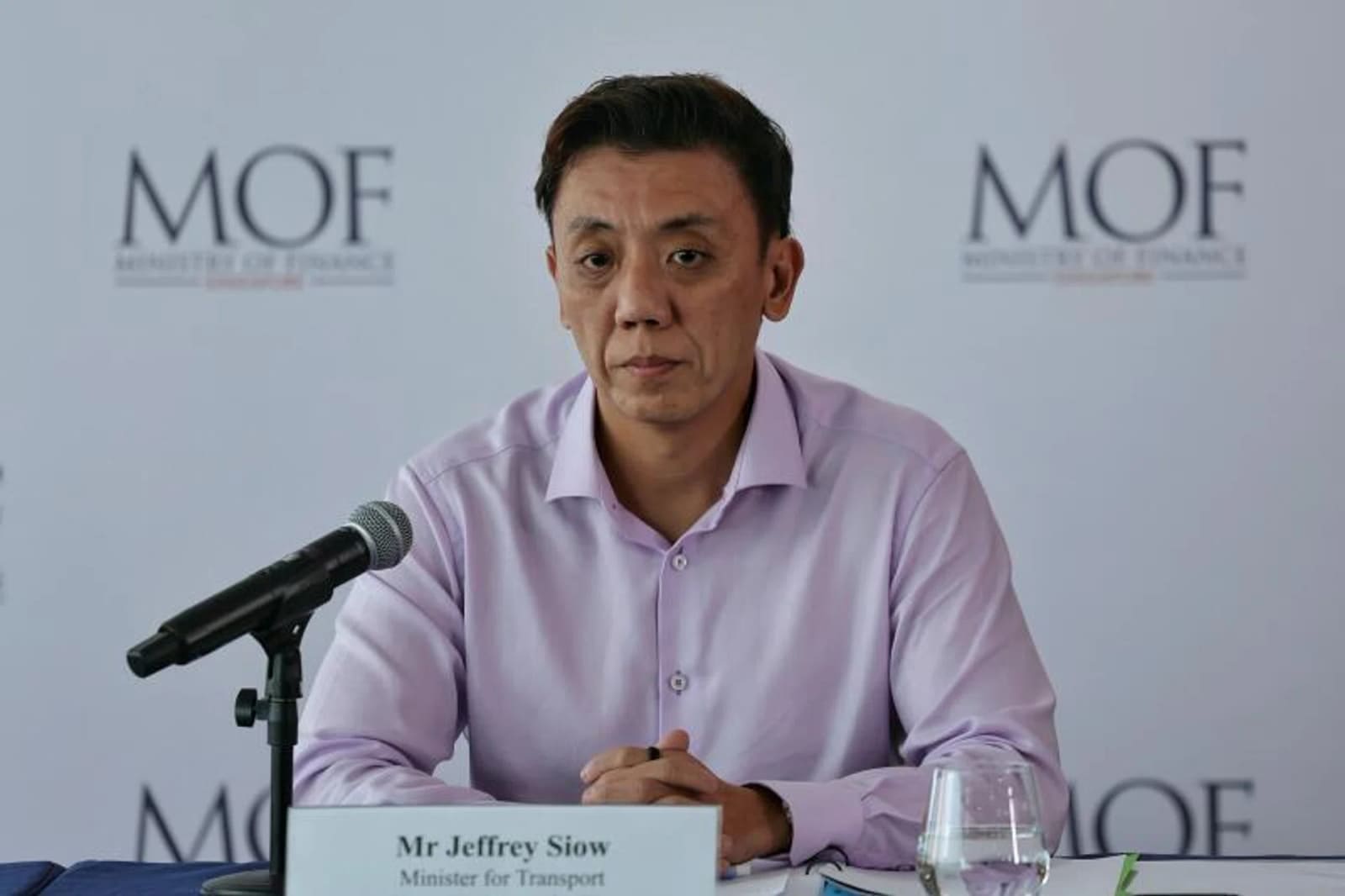
Singapore rolled out a S$900 million support package on July 29, directing roughly two-thirds of the funding toward household relief as the city-state navigates economic headwinds linked to Middle East instability. Second Minister for Finance Jeffrey Siow framed the package as a response to "this period of uncertainty," building on an earlier S$1 billion intervention announced in April.
The new measures center on direct cash transfers and utility subsidies. Every Singaporean household will receive an additional S$300 in Community Development Council vouchers in January, valid through December 2027. Combined with the S$500 distributed in June, total CDC voucher disbursements for fiscal 2026 will reach S$800 per household.
Utility subsidies will also expand. Eligible households in Housing and Development Board flats will see their U-Save rebates doubled in October and January, climbing to between S$110 and S$190 per quarter depending on flat type. The government projects these rebates will fully cover increased utility costs for most households in four-room or smaller HDB units through March next year.
Targeted Support for Vulnerable Groups
Lower-income households facing temporary financial strain will gain access to enhanced ComCare Interim Assistance. The government will relax the S$800 monthly per capita income threshold, allowing case-by-case approvals for households slightly above the cutoff. Monthly assistance payments will rise to at least S$250, available for up to three months, with the changes effective from August through December.
The adjustments reflect a calibrated approach to economic support, layering targeted relief onto existing Budget 2026 measures. This marks Singapore's second major intervention since the Middle East conflict escalated, following the April package that similarly blended household and business support.
Business Support and Utilization Data
The remaining third of the S$900 million package will flow to small and medium-sized enterprises through a one-off cash grant, though specific allocation details were not disclosed at the press conference. The business component mirrors the structure of the April package, which combined corporate tax rebates with direct payouts.
Utilization data for earlier voucher programs suggests strong uptake. As of July 28, households had spent S$978 million of the SG60 Vouchers issued last year, plus S$775 million of senior-specific SG60 vouchers. For CDC vouchers, S$345 million from the January disbursement and S$285 million from the June tranche have been redeemed. Senior Minister of State for Trade and Industry Low Yen Ling noted that neighborhood businesses reported younger customers returning to heartland shopping districts, attributing the shift to voucher incentives.
Regional Context and Fiscal Positioning
Singapore's repeat interventions underscore the government's willingness to deploy fiscal buffers in response to external shocks. The city-state maintains one of Asia's strongest sovereign balance sheets, with net assets exceeding GDP and reserves accumulated over decades of budget surpluses. This financial cushion allows for countercyclical spending without straining public finances, a luxury unavailable to many regional peers facing similar cost pressures.
The Middle East conflict has disrupted energy markets and supply chains across Asia, with import-dependent economies like Singapore particularly exposed to commodity price swings. By frontloading relief through direct transfers and utility subsidies, the government aims to stabilize household consumption and prevent demand contraction during a period of elevated uncertainty.
The January voucher disbursement timeline suggests authorities expect cost pressures to persist into early next year. Whether additional tranches follow will likely depend on the trajectory of energy prices and the duration of regional instability. For now, Singapore is betting that targeted, time-bound relief can smooth volatility without committing to open-ended support programs.
RELATED STORIES
Southeast Asian Firms Overlook Digital Pact Worth USD 2 Trillion
Lim Hui Ying · 4 min

Five ASEAN Members Back Regional Oil Stockpile as Study Nears Completion
Tran Quoc Bao · 3 min
Singapore Economists Lift 2026 Growth Outlook to 5% as Chip Exports Surge
Priyanka V. Rao · 3 min

Addvalue Technologies Lands $5 Million in Space and Radio Contracts
Tran Quoc Bao · 3 min
Spot something wrong? Email editor@briefasia.com. We log every correction publicly.