Finance · Deals
Shionogi Seeks Acquisitions in Infectious and Rare Diseases Across Three Continents
Japanese pharmaceutical maker targets U.S., European, and domestic companies as it considers expanding American manufacturing footprint
KEY TAKEAWAYS
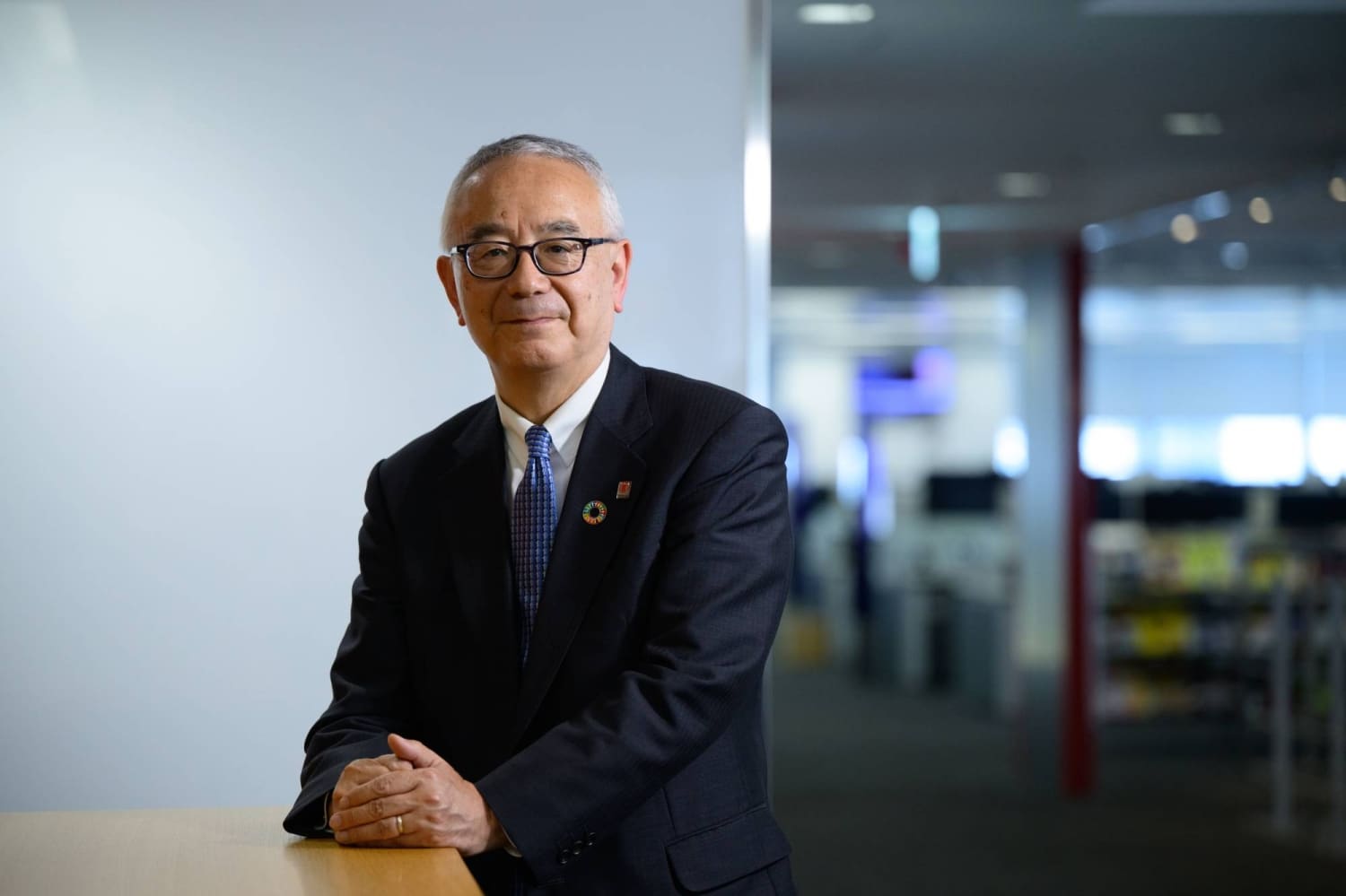
- ·Shionogi is pursuing acquisition targets in the U.S., Japan, and Europe that specialize in infectious and rare diseases, according to CEO Isao Teshirogi.
- ·The Japanese pharmaceutical company is also evaluating an expansion of its manufacturing operations in the United States.
- ·The strategy reflects broader pressure on Japanese drugmakers to seek growth overseas amid domestic pricing pressures and demographic headwinds.
Strategic Expansion Across Key Markets
Shionogi is actively pursuing acquisition targets in the United States, Japan, and Europe that focus on infectious and rare diseases, according to Isao Teshirogi, the company's chairperson and CEO. The Osaka-based pharmaceutical firm disclosed the strategy Tuesday, signaling an aggressive push to broaden its therapeutic portfolio beyond its home market.
Teshirogi outlined the company's interest in companies with established capabilities in two critical therapeutic areas that align with Shionogi's core competencies. The acquisition hunt spans three continents, reflecting the drugmaker's ambition to secure a stronger foothold in both mature Western markets and its domestic base.
The company is simultaneously evaluating an expansion of its U.S. manufacturing operations. While Shionogi already maintains production facilities in the United States, the potential expansion would mark a significant commitment to localizing supply chains in one of the world's largest pharmaceutical markets.
Focus on Specialty Therapeutics
Infectious diseases have long been a cornerstone of Shionogi's business. The company built its reputation on antiretrovirals and antibiotics, including treatments for HIV and multi-drug resistant bacterial infections. Adding rare disease capabilities would diversify revenue streams and tap into a segment known for premium pricing and regulatory incentives.
The rare disease market has attracted sustained interest from pharmaceutical companies due to orphan drug designations that offer extended exclusivity periods and expedited regulatory pathways. U.S. and European regulators have established frameworks that reduce development timelines for therapies addressing conditions affecting small patient populations.
For Japanese drugmakers, overseas expansion has become increasingly urgent. Domestic demographic shifts and pricing pressures have compressed margins, prompting companies to seek growth in larger markets. Shionogi's strategy reflects a broader trend among mid-tier Japanese pharmaceutical firms pursuing scale through acquisitions rather than organic growth alone.
Manufacturing Calculus
The consideration of expanded U.S. production suggests Shionogi is weighing the trade-offs between centralized manufacturing in Japan and localized operations closer to end markets. American production offers proximity to major customers, potential tariff advantages, and resilience against supply chain disruptions that became acute during the pandemic.
However, the calculus involves significant capital outlay and operational complexity. U.S. labor costs exceed those in Japan, and regulatory compliance requires navigating both FDA oversight and state-level environmental and safety requirements. The decision will likely hinge on anticipated deal flow from acquisitions and the therapeutic profiles of any targets ultimately secured.
Shionogi's existing U.S. presence includes a subsidiary that handles commercial operations and a manufacturing site. Expanding that footprint would signal confidence in the company's ability to integrate acquisitions and scale operations in a competitive market dominated by entrenched players.
Competitive Landscape
Shionogi competes in a crowded field of specialty pharmaceutical companies targeting similar therapeutic areas. Infectious disease assets have come under scrutiny as antimicrobial resistance rises globally, creating both opportunity and risk. Companies that secure novel mechanisms of action can command strong pricing, but clinical development remains lengthy and capital-intensive.
The rare disease segment has seen robust M&A activity in recent years, with valuations often exceeding ten times revenue for assets with clear regulatory paths and unmet medical needs. Shionogi will face competition from larger pharmaceutical companies and private equity firms that have deployed billions into specialty biopharma.
Teshirogi's comments Tuesday did not specify deal size parameters, timelines, or whether the company would pursue early-stage assets or commercial-stage products. The breadth of the geographic search suggests flexibility in sourcing opportunities, though integrating acquisitions across different regulatory environments presents execution challenges.
Shionogi's financial position supports inorganic growth. The company generates steady cash flow from its established HIV and antibiotic franchises, and Japanese pharmaceutical firms have generally maintained conservative balance sheets with capacity for strategic investments. How aggressively Shionogi deploys capital will depend on target availability and management's appetite for leverage.
The dual focus on acquisitions and manufacturing expansion positions Shionogi for a potentially transformative period, one that could reshape its revenue mix and geographic footprint over the next several years.
RELATED STORIES

Asian Tech Stocks Surge as Weak US Jobs Data Dims Rate Hike Outlook
Cheng Wei-Lun · 4 min
Japan Logs First Current Account Deficit in 17 Months as Dividends Flow Abroad
Aiko Nakamura · 3 min

US and Japan Stage First Joint Yen Intervention in 28 Years
Cheng Wei-Lun · 3 min
Bank of Japan Signals Willingness to Accelerate Rate Hikes Amid Rising Inflation Concerns
Aiko Nakamura · 3 min
Spot something wrong? Email editor@briefasia.com. We log every correction publicly.