Finance · Deals
Shein's Sky Xu Loses $15 Billion as Hong Kong IPO Deflates Fast-Fashion Empire
The fast-fashion founder's net worth has collapsed from $23 billion to roughly $8 billion as Shein's valuation plummets amid tariffs, scrutiny, and an AI-obsessed market.

KEY TAKEAWAYS
- ·Shein founder Sky Xu's net worth has fallen from $23 billion in 2022 to roughly $8 billion following the company's Hong Kong IPO at a $25 billion valuation.
- ·The fast-fashion platform faces higher tariffs, regulatory scrutiny in the U.S. and Europe, and slowing growth after its pandemic-era surge.
- ·Investor appetite has shifted from e-commerce to artificial intelligence, leaving Shein's listing poorly timed and its valuation depressed.
A Quarter of Peak Value
Sky Xu built Shein into a global phenomenon by selling cheap, trend-chasing apparel to Gen Z shoppers. At its 2022 peak, the Chinese-founded fast-fashion platform commanded a valuation near $100 billion, surpassing the combined market caps of H&M and Zara's parent companies. That valuation lifted Xu's personal net worth above $23 billion.
Four years later, the picture looks starkly different. Shein Global Holdings went public in Hong Kong on September 1 at a valuation just over $25 billion, according to data from the company's listing. Xu, 43, holds approximately 30 percent of the company, placing his current fortune around $8 billion. The more than $15 billion decline marks one of the sharpest wealth contractions among Asia's tech and e-commerce founders in recent years.
The IPO comes as Shein navigates a thicket of headwinds. Higher tariffs on Chinese goods, mounting regulatory and political scrutiny in the United States and Europe, and intensifying competition from rivals have all eroded the company's momentum. Financial figures disclosed by Shein in July showed growth has decelerated since the pandemic-era surge in online shopping.
Timing and Market Appetite
Shein's listing also reflects unfavorable timing. Chinese consumer brands that went public over the past year drew strong initial demand, but investor attention has shifted decisively toward artificial intelligence companies entering the market. Sam Wyatt, an international equities portfolio manager at Melbourne-based U Ethical Investors, told Bloomberg that Shein "definitely missed the window." E-commerce, he noted, has become a less compelling investment story than AI.
That shift in appetite has created a new cohort of billionaires in semiconductors, cloud infrastructure, and machine learning, while traditional retail and e-commerce IPOs struggle to sustain momentum. Shein's Hong Kong debut underscores the challenge: a company that once epitomized pandemic-era growth now competes for capital in a market captivated by generative models and data centers.
From Search Marketing to Global Retail
Xu founded Shein in 2012 alongside three partners who had worked together at a search-engine marketing firm. Leveraging that background, they built an online retailer optimized for speed and low prices, sourcing inventory from manufacturers in Guangdong and using data-driven marketing to reach customers in North America, Europe, and beyond.
The model proved explosive during the Covid-19 pandemic. Locked-down consumers, particularly younger shoppers, flocked to Shein's app for inexpensive dresses, tops, and accessories delivered directly from Chinese suppliers. At its height, the company was adding thousands of new styles daily, a pace traditional retailers could not match.
But that growth has plateaued. Rising labor and logistics costs, coupled with tariff increases on Chinese exports, have squeezed margins. Regulatory scrutiny has intensified as well. U.S. lawmakers have raised concerns about labor practices in Shein's supply chain, and European regulators have flagged potential violations of consumer-protection rules.
Asia's E-Commerce Reckoning
Shein's deflated IPO is part of a broader reassessment of e-commerce valuations across Asia. Investors who once prized user growth and gross merchandise value now demand profitability and sustainable unit economics. Companies that expanded rapidly during the pandemic face pressure to rationalize operations and demonstrate cash-flow discipline.
For Xu, the wealth decline is a sharp reversal. The reclusive entrepreneur rarely gives interviews and maintains a low public profile, even as Shein's brand became ubiquitous among young consumers. His 30 percent stake, once a ticket to the upper echelons of global wealth rankings, now places him well behind the region's e-commerce leaders.
The Hong Kong listing also signals a strategic pivot. Unable to secure a U.S. listing amid political tensions, Shein turned to Hong Kong, where Chinese companies have increasingly sought capital in recent years. The city's stock exchange has welcomed a wave of tech and consumer firms, though valuations have generally lagged those in New York.
What Comes Next
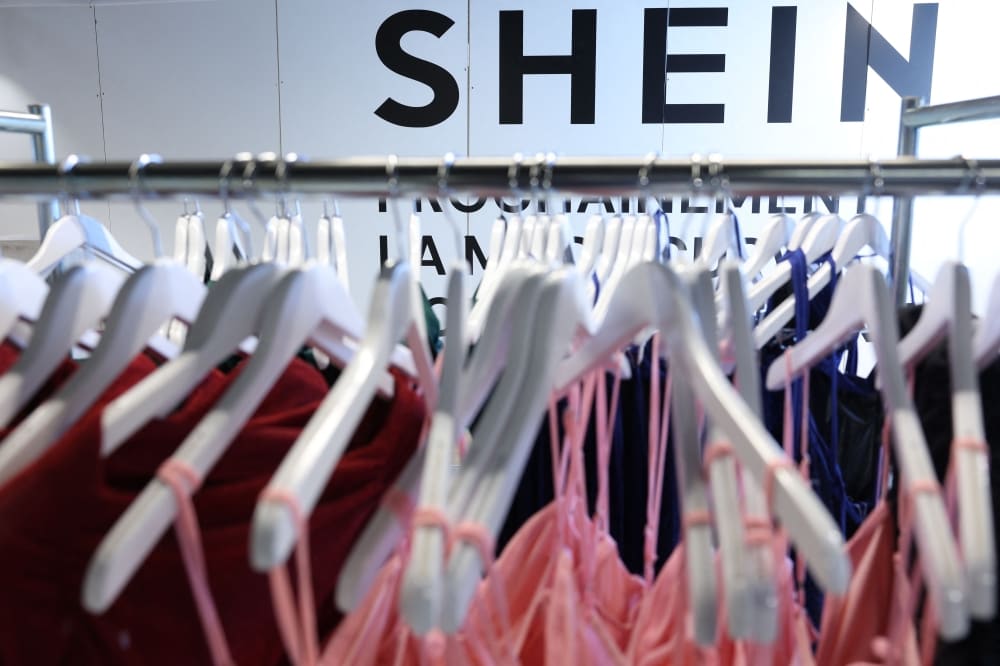
Shein's next challenge is proving it can sustain growth without the tailwinds of lockdowns and stimulus-fueled spending. The company has invested in expanding its third-party marketplace, allowing other sellers to list products on its platform, and has opened physical pop-up stores in key markets to build brand awareness.
Yet the fundamentals remain difficult. Fast fashion faces mounting criticism over environmental impact and labor conditions, and Shein's reliance on low-cost Chinese manufacturing leaves it exposed to geopolitical risk. Tariffs could rise further if trade tensions escalate, and regulatory pressure in Europe shows no sign of abating.
For investors, the question is whether Shein can evolve from a pandemic winner into a durable retail platform. The muted IPO reception suggests skepticism. In a market enamored with AI breakthroughs and semiconductor innovation, a fast-fashion app built on search-engine marketing feels like a relic of an earlier era.
RELATED STORIES

Shein Targets $27 Billion Valuation in Hong Kong Listing
Cheng Wei-Lun · 3 min

Shein Drops 4% in Hong Kong Debut as Tariff Pressure Weighs on Valuation
Priyanka V. Rao · 4 min

Shein Stumbles in Hong Kong Debut After Years of IPO Delays
Cheng Wei-Lun · 3 min
Shein Targets $27 Billion Valuation in Hong Kong Debut
Cheng Wei-Lun · 3 min
Spot something wrong? Email editor@briefasia.com. We log every correction publicly.