Finance · Deals
SGX Adds SpaceX, Grab, and Sea to Depository Receipt Roster
Singapore's exchange now offers 38 DRs spanning four markets, letting retail investors trade U.S.-listed and recently public firms in local currency during Asian hours.
KEY TAKEAWAYS
- ·Singapore Exchange introduced depository receipts for SpaceX, Grab, and Sea, expanding its DR program to 38 instruments across U.S., Hong Kong, Thailand, and Indonesia.
- ·The receipts let retail investors trade shares of the three firms in Singapore dollars during local hours, removing foreign-exchange friction and overseas account requirements.
- ·SpaceX's DR follows its record-breaking IPO last month, while Grab and Sea are U.S.-listed but headquartered in Singapore, aligning with SGX's regional gateway strategy.
Broadening Access to U.S. Equities
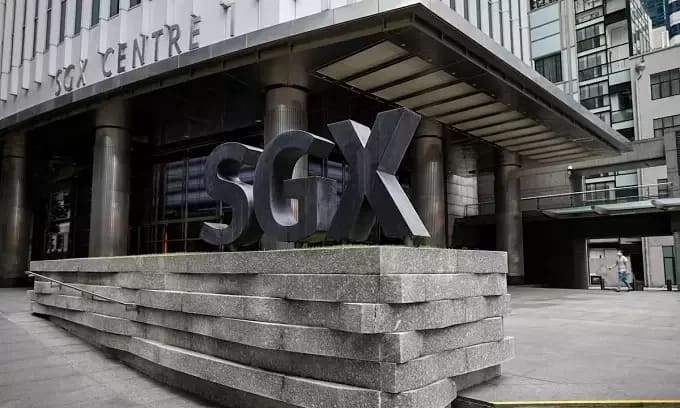
Singapore Exchange began trading depository receipts for three marquee names on Wednesday: SpaceX, ride-hailing platform Grab, and internet conglomerate Sea. The move brings the bourse operator's DR roster to 38 instruments, covering companies listed in Thailand, Indonesia, Hong Kong, and the United States.
The new offerings let retail investors buy and sell shares of the three firms in Singapore dollars during local market hours, sidestepping the need to open overseas brokerage accounts or navigate foreign-exchange conversions. SpaceX's inclusion follows last month's blockbuster initial public offering, which ranks as the largest on record. Grab and Sea, while listed in New York, both maintain headquarters in Singapore.
Simplifying Cross-Border Investment
Bernice Tan, who leads Securities Market & Depository at SGX, said the depository receipts eliminate friction points that have traditionally complicated cross-border equity investing. By denominating trades in local currency and settling them within Singapore's regulatory framework, the exchange aims to help retail portfolios capture exposure to global growth stories without the operational overhead of multi-market accounts.
The DR structure mirrors the mechanics of American depositary receipts: a custodian bank holds the underlying shares, and the exchange issues tradable certificates that represent fractional or whole-share positions. Dividends, corporate actions, and voting rights flow through to DR holders under terms set by the issuing bank.
Regional Ambitions
SGX's depository-receipt program has grown steadily since its launch, reflecting Singapore's push to position itself as a gateway for regional capital seeking diversified exposure. The exchange already lists DRs for Thai conglomerates, Indonesian consumer plays, and Hong Kong technology firms. Adding SpaceX, Grab, and Sea extends that reach into the U.S. market and taps investor appetite for high-growth technology and mobility names with strong Asian ties.
Grab operates ride-hailing and food-delivery networks across eight Southeast Asian countries, while Sea runs e-commerce platform Shopee, digital-entertainment arm Garena, and financial-services unit SeaMoney. SpaceX, which combines launch services with satellite internet through Starlink, entered public markets after years of private funding rounds that valued the company at record levels.
Currency and Liquidity Considerations
Trading in Singapore dollars insulates local investors from short-term currency swings, a feature that matters in periods of dollar volatility. It also concentrates liquidity during Asian trading hours, when U.S. primary markets are closed. That time-zone advantage can narrow bid-ask spreads for Singapore-based traders, though overall liquidity remains anchored to the primary listing.
The depository receipts carry the same price risk as the underlying shares. A rally or sell-off in New York translates directly into the Singapore DR price once local trading resumes. Investors still face the fundamental performance of the issuer, regulatory developments in its home market, and sector-wide trends that drive equity valuations.
Market Infrastructure Play
For SGX, the expanded DR program is part of a broader effort to deepen product offerings and attract trading volume in a competitive regional landscape. Hong Kong, Tokyo, and Seoul all vie for cross-border investment flows, and exchanges differentiate themselves through derivatives, bond listings, and structured products. Depository receipts sit at the intersection of retail accessibility and institutional infrastructure, offering a scalable way to bring foreign equities onto a domestic platform.
The exchange has signaled that additional DRs may follow, depending on investor demand and issuer appetite. Technology and consumer sectors have historically drawn the most interest, but financials, healthcare, and industrials could enter the pipeline as SGX builds out its multi-market roster.
What Comes Next
Market participants will watch trading volumes in the first weeks to gauge retail uptake. High-profile names like SpaceX carry brand recognition, but sustained liquidity depends on whether investors view DRs as a core portfolio tool or a niche product. If volumes justify the infrastructure investment, SGX is likely to accelerate listings and potentially introduce DRs for other U.S. technology firms with Asian operations or customer bases.
The three new depository receipts join a growing menu of cross-border investment vehicles across Asia, as exchanges and regulators work to channel regional savings into diversified portfolios. Whether that trend reshapes capital flows or remains a tactical overlay will unfold over the next several quarters, as more retail investors test the mechanics and liquidity of DR trading.
RELATED STORIES

Singapore and Thailand Exchanges Push for Tech IPOs Amid AI Surge
Priyanka V. Rao · 3 min
Singapore Brokerages Raise STI Targets on Earnings Strength
Jun-ho Seo · 3 min

Addvalue Technologies Lands $5 Million in Space and Radio Contracts
Tran Quoc Bao · 3 min
Singapore Tightens Stablecoin Rules to Separate Regulated Tokens From Crypto Claims
Priyanka V. Rao · 2 min
Spot something wrong? Email editor@briefasia.com. We log every correction publicly.