Technology · AI
Seoul Pushes AI Diplomacy in California as Tech Deals Follow Presidential Visit
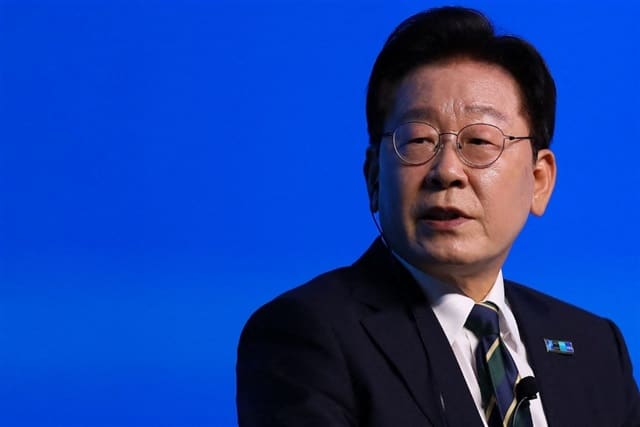
Lee Jae Myung's Silicon Valley trip marks the latest Asian government effort to secure a foothold in the global AI race, with Nvidia partnerships at the center of South Korea's technology strategy.
KEY TAKEAWAYS
- ·South Korean President Lee Jae Myung introduced the San Francisco AI Declaration during a Silicon Valley visit, aiming to promote international AI cooperation and partnerships.
- ·New agreements involving Nvidia and South Korean technology firms were announced, focusing on data center development, AI model training, and semiconductor supply chain integration.
- ·The initiative positions South Korea in a competitive regional landscape where Japan, Singapore, Taiwan, and China are all pursuing distinct AI infrastructure and policy strategies.
Presidential Trip Signals Strategic Intent
South Korean President Lee Jae Myung arrived in Silicon Valley this week with a policy agenda designed to position his country as a central node in the global artificial intelligence ecosystem. The visit culminated in what Seoul is calling the San Francisco AI Declaration, a framework intended to encourage cross-border collaboration on AI development, standards, and deployment.
The declaration itself represents a diplomatic approach that has become increasingly common among Asian governments seeking influence in a technology domain currently dominated by US and Chinese players. Rather than attempting to build isolated national AI champions, Lee's agenda emphasizes interoperability, shared research protocols, and joint investment structures that would tie South Korean firms more closely to American technology leaders.
The timing is deliberate. South Korea's semiconductor industry, long a pillar of its export economy, is navigating a period of strategic uncertainty as AI compute demands reshape the chip market. Traditional memory products that Korean manufacturers excel at producing now compete for manufacturing capacity and capital allocation with the logic chips and accelerators that power large language models and inference workloads. By framing the visit around AI cooperation rather than chip production alone, Lee is attempting to secure South Korea's relevance across the full technology stack.
Nvidia Partnerships Anchor the Agenda
Accompanying the presidential visit were announcements of new partnerships involving Nvidia, the California-based GPU manufacturer whose products have become essential infrastructure for AI model training. While specific deal structures and investment figures were not disclosed in initial announcements, the partnerships reportedly involve multiple South Korean technology companies and US counterparts.
Nvidia has emerged as a central figure in Asian governments' AI strategies over the past eighteen months. The company's H100 and forthcoming Blackwell GPU architectures are effectively the standard for large-scale model training, and access to these chips has become a proxy for AI capability. Export controls imposed by Washington on advanced semiconductors to China have made Nvidia's products even more strategically valuable for countries like South Korea, Japan, and Singapore that face no such restrictions.
For South Korea specifically, the Nvidia relationship offers two advantages. First, it provides Korean cloud providers, research institutions, and enterprises with access to the compute resources needed to develop domestically trained models. Second, it creates opportunities for Korean semiconductor and hardware firms to integrate into Nvidia's supply chain, potentially securing long-term revenue streams as AI infrastructure spending accelerates globally.
The partnerships announced during Lee's visit are understood to involve collaboration on data center construction, AI model development for Korean language applications, and joint research initiatives. Korean conglomerates with existing semiconductor operations are likely participants, seeking to leverage their manufacturing expertise to support Nvidia's capacity expansion plans.
Regional Competition Shapes the Push
South Korea's AI diplomacy unfolds against a backdrop of intensifying competition across East Asia. Japan has committed tens of billions of dollars to semiconductor and AI infrastructure investment over the past two years, including support for domestic chip foundries and partnerships with US firms. Singapore has positioned itself as a neutral hub for AI research and data center operations, attracting investment from both Western and Chinese technology companies. Taiwan's dominance in advanced chip manufacturing gives it inherent leverage in any AI supply chain discussion.
China, meanwhile, continues to develop its own AI ecosystem under export control constraints, investing heavily in alternative chip architectures and domestically produced training hardware. While Chinese firms face restricted access to Nvidia's most advanced products, the scale of China's domestic market and government support for AI development means it remains a formidable competitor in model development and application deployment.
In this environment, South Korea's strategy appears designed to maximize its integration with US technology leaders while leveraging its existing semiconductor manufacturing base. The San Francisco AI Declaration, though light on binding commitments, signals Seoul's intention to align with Washington's technology policy framework rather than pursuing a more neutral posture.
Infrastructure and Investment Questions Remain
The effectiveness of Lee's AI agenda will ultimately depend on implementation details that remain unclear. South Korea's domestic AI talent pool, while growing, is smaller than those of the US, China, or even emerging hubs like India. The country's data privacy regulations, though less restrictive than Europe's GDPR framework, still impose constraints on the large-scale data collection that typically underpins successful AI model training.
Capital allocation is another open question. South Korean conglomerates have historically concentrated investment in hardware manufacturing and consumer electronics rather than software platforms or cloud services. Shifting that focus toward AI infrastructure and model development will require both financial commitment and cultural change within organizations built around hardware margins and supply chain efficiency.
The Nvidia partnerships may address some of these gaps by providing access to both technology and expertise. However, partnerships of this kind often involve unequal bargaining positions, with the technology provider capturing most of the economic value while local partners provide market access, regulatory support, or manufacturing capacity. Whether South Korea can structure these relationships to build durable domestic AI capability rather than simply serving as a customer or contract manufacturer will determine the long-term success of Lee's strategy.
What Comes Next
Presidential visits and policy declarations are typically followed by months of negotiation over specific terms, funding commitments, and project timelines. The San Francisco AI Declaration will need to be translated into concrete agreements, with clear metrics for success and accountability mechanisms to ensure follow-through.
For investors and executives watching the Asian AI landscape, South Korea's push represents one more data point in a regional race where no single winner has yet emerged. The country's semiconductor expertise gives it a credible entry point, but converting that advantage into leadership across the AI value chain will require execution on multiple fronts: talent development, infrastructure investment, regulatory clarity, and sustained political commitment.
The next six to twelve months will reveal whether the partnerships announced this week represent substantive strategic alignment or merely diplomatic theater. Track capital deployment into Korean AI infrastructure projects, the specifics of Nvidia's supply chain integration with Korean manufacturers, and whether follow-on agreements emerge from other US technology firms. Those indicators will offer a clearer picture of whether Seoul's AI diplomacy is reshaping the regional competitive landscape or simply catching up to moves already made by neighbors.
RELATED STORIES
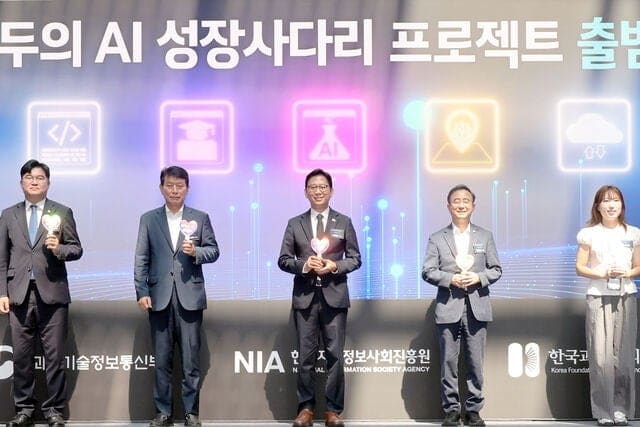
South Korea Taps Three Telecom Giants to Deliver Free AI Services Nationwide
Cheng Wei-Lun · 3 min
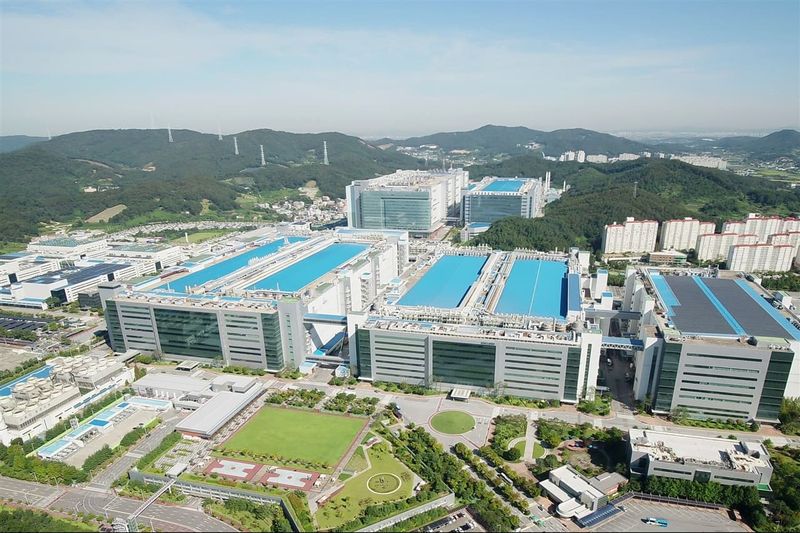
Samsung Display Restarts Asan OLED Campus as Foldable Phones Stage Recovery
Cheng Wei-Lun · 4 min
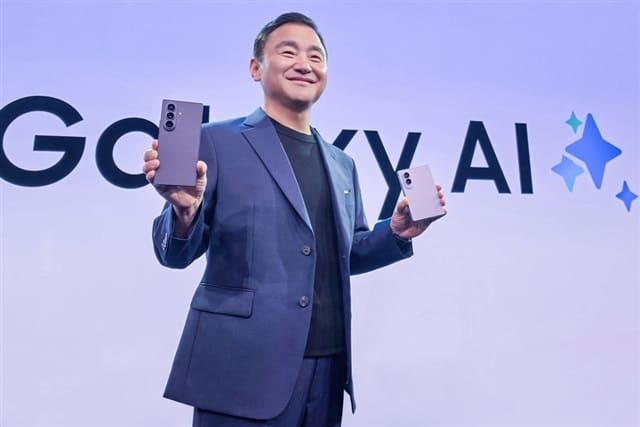
Samsung's Device Division Reports First Quarterly Loss as Chip Costs Surge
Cheng Wei-Lun · 3 min
South Korean Chip Materials Suppliers Ride AI Boom to Profit Surge
Cheng Wei-Lun · 3 min
Spot something wrong? Email editor@briefasia.com. We log every correction publicly.