Real Estate · Homes
Seoul Demands Two-Day Turnaround on Housing Supply Acceleration
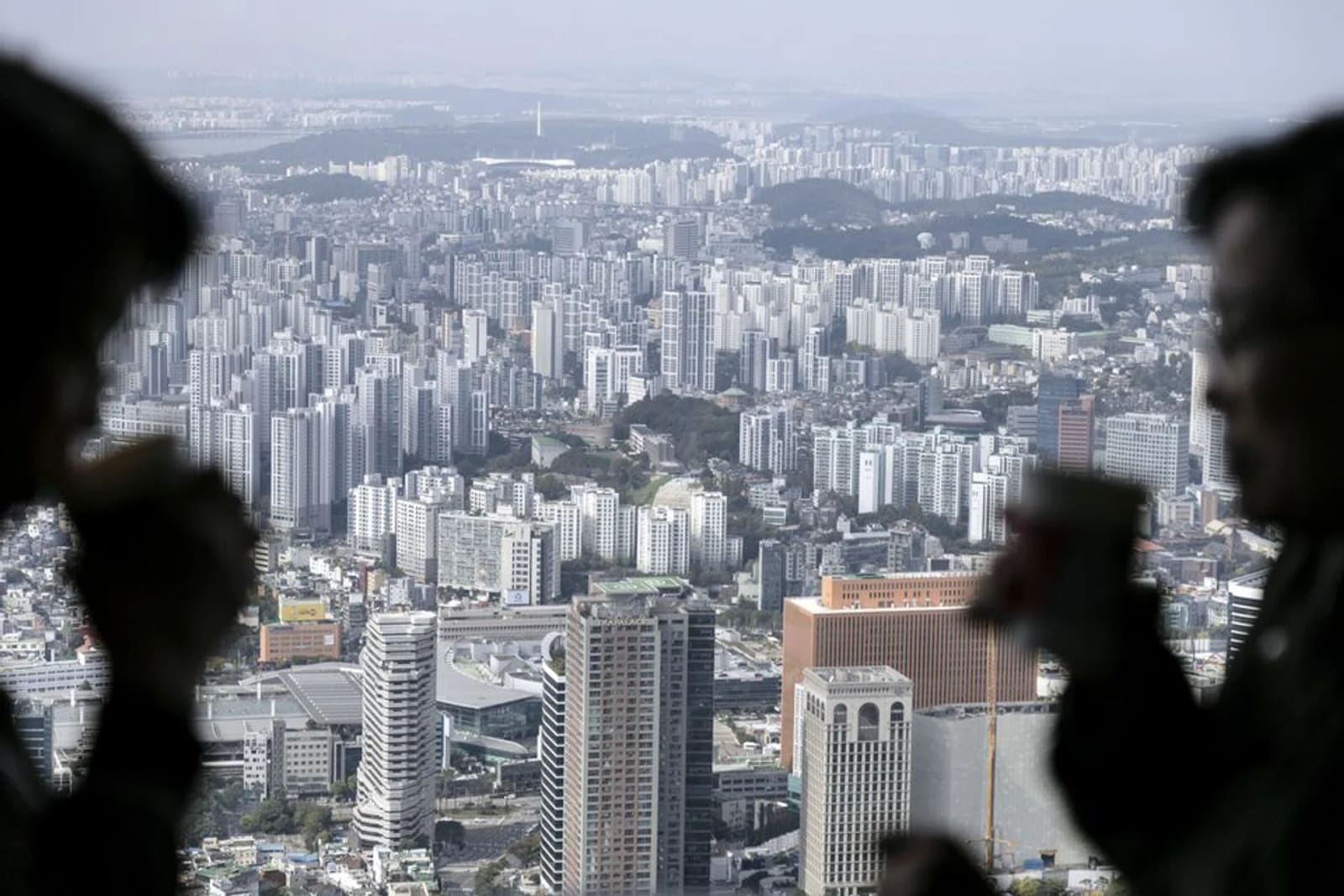
President Lee Jae-myung pushes ministers for rapid policy review as South Korea grapples with a supply cliff dating back to 2022
KEY TAKEAWAYS
- ·President Lee Jae-myung ordered ministers to complete housing and financial policy reviews within two to three days following a seven-and-a-half-hour meeting on property markets.
- ·South Korea faces a housing supply shortfall beginning in 2022 that has created a supply cliff, with both volume and delivery speed now critical policy priorities.
- ·The administration is examining administrative, financial, fiscal, and regulatory tools to accelerate housing delivery while the finance ministry proposes higher taxes on multiple-home owners.
Urgent Policy Push
South Korean President Lee Jae-myung has given government officials a tight deadline to deliver actionable housing policy recommendations. Following a marathon seven-and-a-half-hour session on property and equity markets late Monday, Lee instructed ministers to complete follow-up reviews on financial and supply measures within two to three days.
The directive came immediately after Lee returned from an 11-day international trip, signaling the urgency with which the administration views the housing situation. The meeting, which ran from 3 PM to 10:30 PM Seoul time, focused on twin pressures facing the country's real estate sector.
Supply Cliff Since 2022
Lee pointed to a housing supply shortfall that began in 2022 and has since created what he termed a "supply cliff." The president emphasized that both the volume of new units and the speed at which they reach the market are now critical factors in addressing the shortage.
The supply gap has compounded an affordability crisis that Lee previously identified as a barrier preventing younger South Koreans from entering homeownership. Runaway prices in major urban centers have made first-time purchases increasingly difficult for the demographic that traditionally drives housing demand.
Lee directed his cabinet to identify every available avenue for increasing housing stock. The instruction covered administrative pathways, financial instruments, fiscal policy levers, and regulatory adjustments that could accelerate project delivery timelines.
Comprehensive Policy Review
Beyond immediate supply measures, the president called for a broader examination of existing housing policies. He instructed officials to incorporate public feedback into policy implementation, suggesting the administration is aware of gaps between current measures and what residents need.
The presidential office announcement followed the finance ministry's proposal of tax code amendments aimed at multiple-home owners and holders of high-value properties. The proposed changes would raise the tax burden on these groups while expanding exemptions for certain owner-occupiers, a move that aligns with Lee's stated goal of improving access for first-time buyers.
Regional Housing Dynamics
South Korea's housing pressure points reflect broader patterns across high-density Asian economies, where land scarcity, regulatory complexity, and construction cycles often lag demand by years. Seoul's situation mirrors challenges in Singapore, Hong Kong, and Tokyo, where governments have experimented with everything from public housing expansion to foreign buyer restrictions.
The two-to-three-day review window Lee imposed is notably compressed by government standards, indicating the administration may be preparing a package announcement rather than incremental policy adjustments. The timeline suggests officials will prioritize measures that can be implemented through executive action or existing regulatory frameworks rather than legislation requiring parliamentary approval.
Market Context
The focus on housing comes as South Korea navigates multiple economic headwinds. The country's equity markets have experienced volatility, and inflation data for July showed a 2.8 percent year-on-year increase, weaker than some forecasts but still elevated by recent historical standards.
The administration's dual emphasis on supply volume and delivery speed suggests it views construction bottlenecks as a key constraint. Whether through streamlined permitting, financial incentives for developers, or public sector projects, the measures under review will likely target the gap between planned units and completed homes.
For property developers and construction firms operating in South Korea, the coming days will clarify which tools the government intends to deploy and how aggressively it plans to intervene in housing markets. The tight turnaround Lee demanded means clarity on policy direction should emerge quickly, giving market participants less time to position but more certainty on the regulatory environment ahead.
RELATED STORIES
Seoul Stocks Drop on Mideast Tensions and Oil Price Surge
Tran Quoc Bao · 3 min

Samsung Electronics Drops 8% as Market Questions Buyback Strategy
Cheng Wei-Lun · 2 min

Samsung and SK Hynix Turn Down KEPCO's Multibillion-Dollar Prepayment Demand
Cheng Wei-Lun · 4 min
South Korea's Export Surge Powers Economic Upturn Through Third Quarter
Jun-ho Seo · 4 min
Spot something wrong? Email editor@briefasia.com. We log every correction publicly.