Asia · Business
Semirara Mining Logs 2% Profit Growth as Power Arm Offsets Coal Slump
The Philippine energy firm posted PHP 8.6 billion in first-half earnings, with electricity sales hitting record highs while coal production dropped 55% amid mine expansion work.
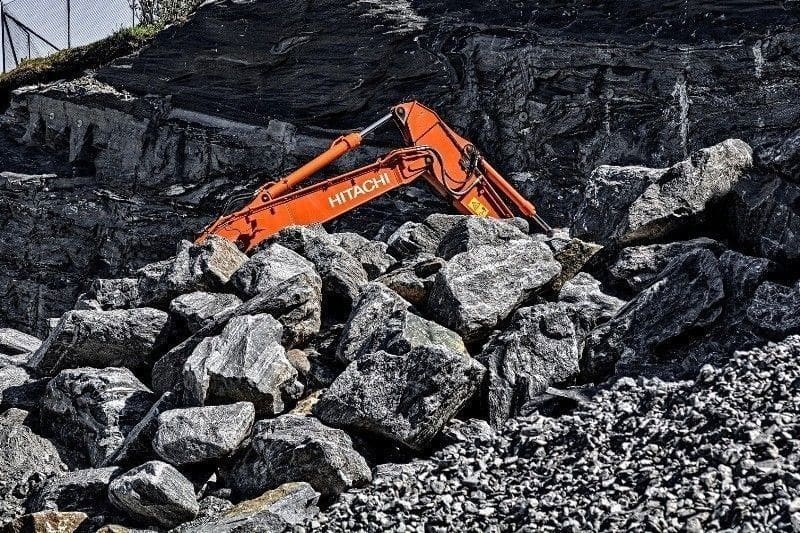
KEY TAKEAWAYS
- ·Semirara Mining's first-half net income rose 2% to PHP 8.58 billion, with power contributing 96% of second-quarter earnings as electricity sales reached a record 1,563 gigawatt-hours.
- ·Average power selling prices jumped 29% to PHP 5.81 per kilowatt-hour, driven by tight supply and elevated spot-market conditions in the Luzon grid.
- ·Coal production plunged 55% to 2.5 million metric tons in the second quarter due to stripping work at the new Narra block and limited Acacia mine output.
Power Segment Drives Recovery
Semirara Mining and Power Corp. posted a 2% increase in net income for the first half of the year, reaching PHP 8.58 billion compared to PHP 8.42 billion in the same period last year, according to the company. Revenue climbed 9% to PHP 34 billion from PHP 31.33 billion, lifted by stronger pricing for both coal and electricity despite lower sales volumes across both segments.
The company's second-quarter performance proved decisive, with net income jumping 17% to PHP 4.8 billion from PHP 4.1 billion a year earlier. That rebound erased the drag from a weaker first quarter and underscored the growing weight of the power business in the integrated energy firm's portfolio.
Isidro Consunji's energy company has steadily expanded its generation capacity over the past decade, positioning itself to capitalize on the Philippines' growing electricity demand and volatile spot-market conditions.
Electricity Sales Hit All-Time High
The power division contributed PHP 4.6 billion to second-quarter earnings, representing 96% of total profit. Sales volume surged 9% to a record 1,563 gigawatt-hours from 1,435 GWh, driven by improved plant performance across the company's fleet.
More than half of the electricity sold - 53% - was traded in the wholesale spot market, where prices remained elevated during the quarter. The remaining 47% flowed through bilateral contracts with distribution utilities and large industrial customers. The company's average selling price jumped 29% to PHP 5.81 per kilowatt-hour from PHP 4.51 per kWh, reflecting tight supply conditions in the Luzon grid.
By the end of June, Semirara had contracted 52% of its 860-megawatt dependable capacity, leaving 339.8 MW available for spot-market sales after accounting for internal station use. That balance gives the firm flexibility to capture price spikes while maintaining stable revenue from long-term contracts.
Coal Production Tumbles During Mine Expansion
The coal segment painted a starkly different picture. Second-quarter earnings fell to just PHP 191 million as production and shipments declined sharply. Output dropped 55% to 2.5 million metric tons from 5.6 million MT, while shipments slid 13% to four million MT from 4.6 million MT.
Semirara attributed the decline to stripping activities at the new Narra block and constrained operations at the Acacia mine. Stripping refers to the removal of overburden - layers of soil and rock - to access coal seams, a capital-intensive process that temporarily reduces saleable output.
Despite the volume slump, stronger global coal benchmarks lifted Semirara's average selling price 27% to PHP 2,833 per MT from PHP 2,223 per MT. That pricing gain cushioned the blow from lower shipments but could not fully offset higher fuel costs and the fixed expenses of maintaining mining infrastructure.
Philippine Coal in Regional Context
Semirara accounts for more than 90% of domestic coal production in the Philippines, making it the country's dominant supplier. The company exports to China, South Korea, Brunei, and other regional markets, though the bulk of its output fuels its own power plants.
The Philippines remains a net coal importer, relying on Indonesian and Australian supplies to meet demand from cement, steel, and power generation. Semirara's vertically integrated model - mining coal and burning it in its own plants - insulates the company from import price swings but ties its profitability to both commodity markets and electricity tariffs.
Regional coal prices have been volatile, shaped by Chinese demand cycles, Indonesian export policy, and competition from liquefied natural gas. Semirara's ability to toggle between domestic power generation and export sales gives it a hedge against single-market risk.
What Comes Next
The second half will test whether Semirara can sustain its power-led momentum. The Narra block expansion is expected to ramp up production gradually, easing the coal supply constraints that crimped second-quarter results. How quickly that happens will determine whether the coal segment can return to profitability levels seen in prior years.
On the power side, the company's exposure to spot-market pricing cuts both ways. If supply tightness persists, margins could remain elevated. But any major capacity additions by competitors or a slowdown in demand growth would pressure prices and compress the premium Semirara has enjoyed in recent quarters.
Investors will also watch how the company allocates capital between expanding coal reserves and adding generation capacity, a decision that carries long-term implications as Southeast Asia navigates the energy transition.
RELATED STORIES
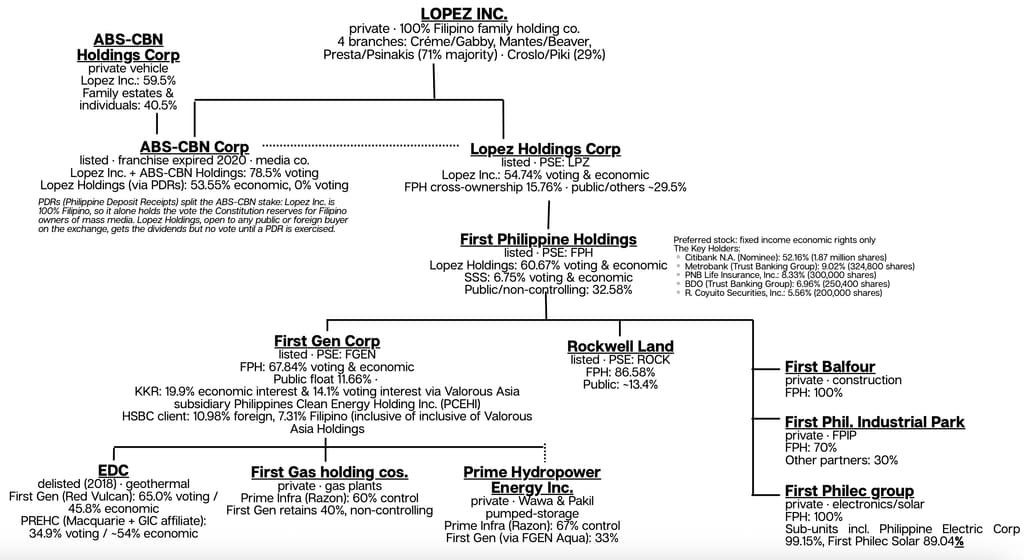
San Miguel's Ramon Ang Takes Quarter Stake in Lopez Holding Company
Priyanka V. Rao · 5 min
Meralco Expects Sales Growth to Rebound as El Niño Drives Philippine Power Demand
Priyanka V. Rao · 3 min
ASEAN Targets Fourth-Largest Economy Spot as Internal Trade Lags Behind
Priyanka V. Rao · 3 min

San Miguel's Ramon Ang Enters Lopez Family Holding Amid Boardroom Battle
Priyanka V. Rao · 3 min
Spot something wrong? Email editor@briefasia.com. We log every correction publicly.