Asia · Trade
Saudi Oil Shipments Reroute After Yemen Blockade Threat
Houthi naval embargo forces tankers carrying crude to Asia back through Suez Canal as conflict disrupts Red Sea and Hormuz shipping lanes
KEY TAKEAWAYS
- ·Two tankers carrying Saudi crude to China and India turned back in the Red Sea on July 21 after Yemen's Houthis declared a naval blockade, marking the first confirmed routing changes since the embargo announcement.
- ·The blockade creates a second chokepoint for Saudi oil exports after the Strait of Hormuz became largely impassable, with only four commodity vessels crossing on July 21 compared to seven the previous day.
- ·Brent crude climbed above 91 dollars per barrel as US forces continued strikes on Iranian targets while Iran launched counter-attacks on American military facilities in Bahrain, Kuwait and Jordan.
Shipping Routes Shift After Embargo Declaration
At least two oil tankers loaded with Saudi crude destined for Asian markets changed course in the Red Sea on July 21, maritime tracking data confirmed. The vessels, which had departed from Yanbu port carrying cargoes bound for China and India, turned toward the Suez Canal instead of continuing south through the Bab el-Mandeb strait.
The route changes followed a blockade declaration issued by Yemen's Houthi movement on July 20, threatening strikes against any vessel handling Saudi petroleum. Vanguard, a maritime risk consultancy based in Britain, identified these as the first verifiable alterations to commercial tanker movements following the embargo announcement.
Yanbu has served as Saudi Arabia's primary Red Sea export terminal since pipeline infrastructure enabled the kingdom to bypass the Strait of Hormuz, which has become impassable due to ongoing hostilities. The port handles millions of barrels daily under normal circumstances.
Dual Chokepoint Closure Threatens Supply
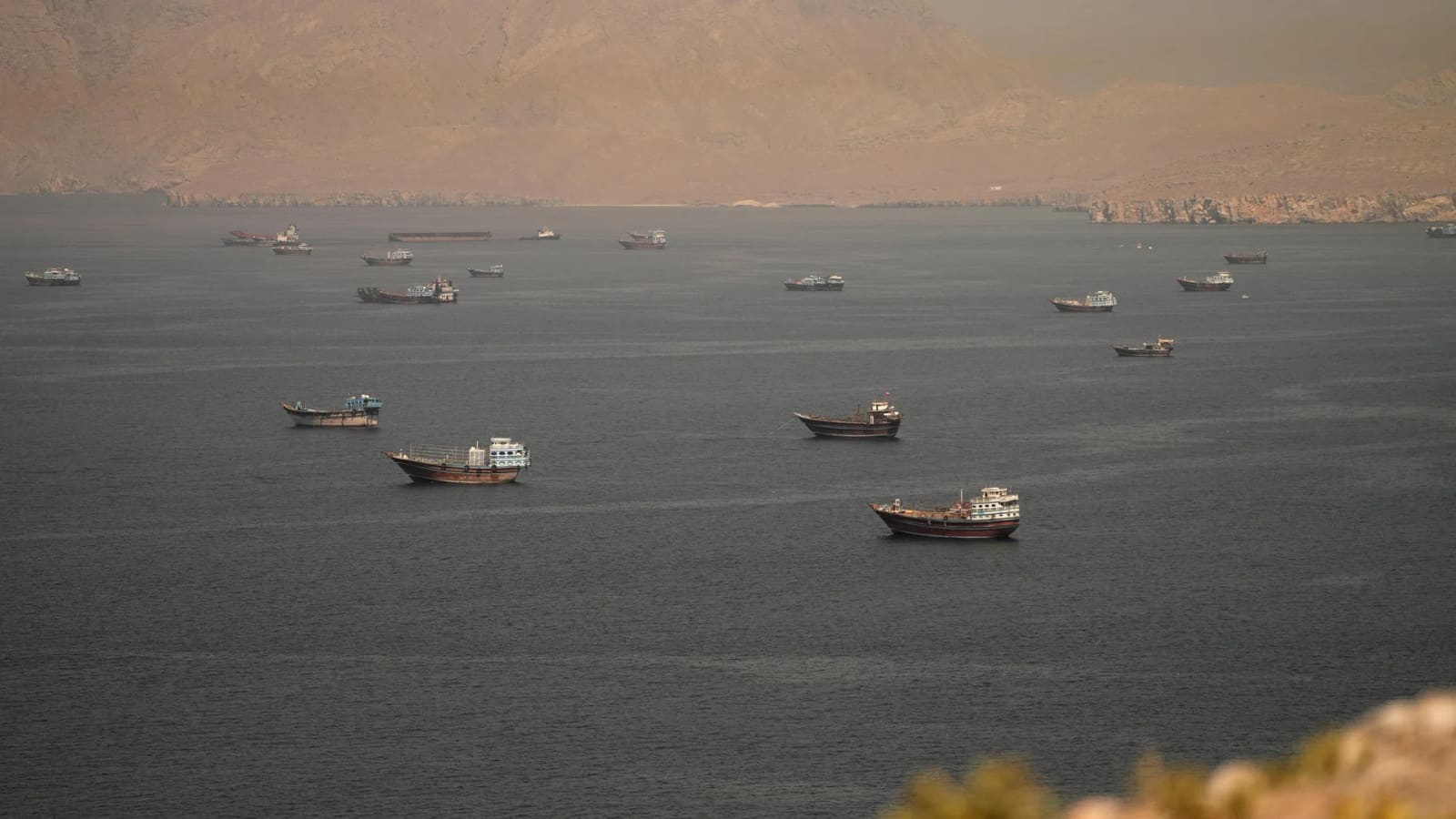
The blockade creates a second barrier for Saudi crude exports after the Strait of Hormuz effectively closed to most commercial traffic. On July 21, only four commodity vessels attempted the Hormuz crossing, down from seven the previous day, according to shipping data firm Kpler. Most vessels now use a northern lane near Iran's coastline.
A tanker in the Hormuz strait reported being hit by a projectile on July 21, forcing crew evacuation via lifeboat, according to UK Maritime Trade Operations. Iran's Revolutionary Guards separately reported fires aboard two oil carriers following explosions in the southern shipping channel.
Brent crude climbed above 91 dollars per barrel on July 21, gaining more than two percent as traders assessed supply risks. US retail gasoline prices returned above four dollars per gallon.
Military Strikes Continue Across Region
US Central Command reported overnight strikes targeting Iranian military command facilities, maritime installations, missile and drone sites, and air defence infrastructure across southern and western Iran. Explosions were heard near Shiraz, while coastal cities Konarak and Chabahar and the western city of Abdanan also came under attack.
Iranian forces launched counter-strikes against US military positions in Bahrain, Kuwait and Jordan on July 21, according to Tehran. Kuwait confirmed responding to incoming drones and missiles. Recent attacks have damaged Kuwaiti power generation facilities that also produce desalinated drinking water, raising supply concerns in Gulf states dependent on seawater conversion.
Iran's state media reported strikes on Amazon infrastructure in Bahrain, where the technology company operates a regional data centre. The company did not immediately respond to requests for comment, and the claim remains unverified.
Casualties and Costs Mount
US President Donald Trump confirmed 18 American service members have died in the conflict, including four killed in recent Iranian strikes on bases in Jordan and Iraq. Iran's health ministry reported 50 civilian deaths and 500 wounded from US bombing campaigns.
Defense Secretary Pete Hegseth told senators the conflict has cost 37.5 billion dollars to date and requested an additional 70 billion in supplemental funding, partly to replenish missile stockpiles. Congress has not formally authorized the military operations, which began February 28 with US and Israeli strikes on Iranian targets.
Trump stated the Houthis have not yet fully closed the Bab el-Mandeb strait and threatened action if they do. He also renewed threats to strike Iran's Natanz nuclear facility, which he claimed was destroyed in June 2025 bombardment.
Diplomatic Efforts Continue
A senior Iranian official told Reuters on July 20 that Tehran received a proposal from mediators for a 10-day ceasefire, aimed at salvaging an interim peace agreement signed in June that replaced an earlier April truce. Both agreements collapsed within weeks.
Iran's Interior Minister Eskandar Momeni visited Pakistan on July 21, asking Islamabad to maintain mediation efforts. The visit signals diplomatic channels remain active despite escalating military action.
The Houthi movement controls northern and western Yemen, including coastline at the mouth of the Red Sea. The group operates with Iranian backing and has previously disrupted shipping in the region during Yemen's protracted civil conflict.
If the Red Sea route becomes fully closed to Saudi exports, the kingdom would have limited options to move crude to international markets, potentially removing millions of barrels per day from global supply. Saudi Arabia produces approximately 9 million barrels daily, with roughly two-thirds typically exported.
RELATED STORIES
Oil Prices Drop Despite Middle East Tensions as Shipping Lanes Stay Open
Priyanka V. Rao · 3 min

Philippine Fuel Prices Set to Surge by Up to ₱5.01 per Liter After Two Weeks of Declines
Priyanka V. Rao · 2 min
Brent Crude Climbs Past $84 as Hormuz Talks Stall on US Compensation Demand
Priyanka V. Rao · 4 min
Saudi Arabia Faces Twin Maritime Blockade as Houthis Target Red Sea Routes
Priyanka V. Rao · 4 min
Spot something wrong? Email editor@briefasia.com. We log every correction publicly.