Finance · Deals
Sapporo Bets $643 Million on Southeast Asian Premium Beer Market
Japanese brewer takes 25% stake in Singapore-based joint venture with Carlsberg, targeting growth in South Asia and Hong Kong
KEY TAKEAWAYS
- ·Sapporo Breweries is investing $643 million for a 25% stake in a Singapore-based joint venture with Carlsberg targeting Southeast Asia and Hong Kong.
- ·The partnership aims to capture growth in the premium beer segment, which is expanding twice as fast as the overall market in key Southeast Asian cities.
- ·The deal reflects Sapporo's strategic shift toward international markets as Japan's domestic beer consumption declines amid an aging population.
A Major Regional Play
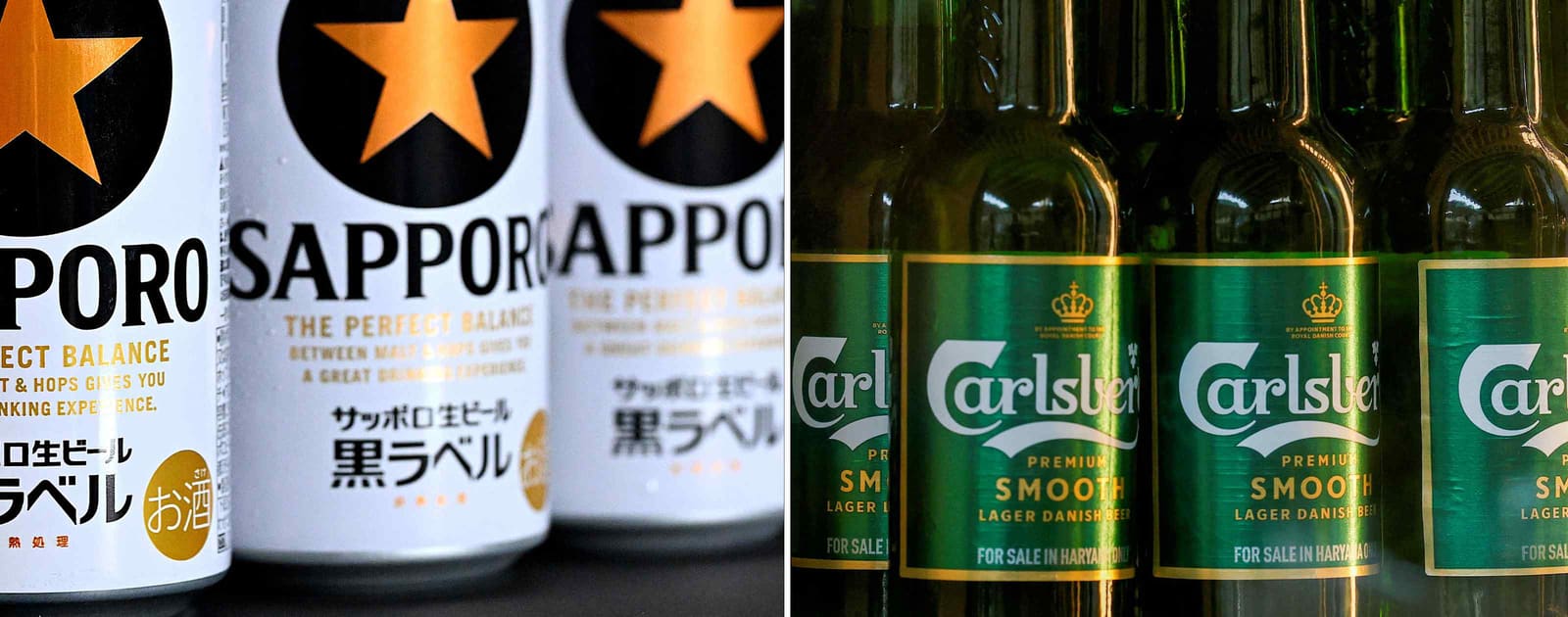
Sapporo Breweries announced Monday it will deploy $643 million into a new Singapore-based joint venture with Carlsberg, securing a 25% stake in what represents one of the largest Japanese brewery investments in Southeast Asia this decade. The partnership targets operations across Southeast Asia and Hong Kong, regions where premium beer consumption has been climbing steadily among younger, affluent consumers.
The deal positions Sapporo to tap into distribution networks and local market knowledge that have taken Carlsberg decades to build across the region. For the Danish brewer, the arrangement brings Japanese capital and brand equity at a time when consolidation is reshaping Asia's fragmented beer landscape.
The Premium Segment Opportunity
Southeast Asia's beer market has been growing at roughly 5% annually, but the premium category has been expanding at double that rate in key cities from Singapore to Manila to Bangkok. Rising disposable incomes, a growing middle class, and shifting tastes among millennial and Gen Z drinkers have created openings for brands that can command higher price points.
Sapporo's investment reflects a strategic pivot toward international growth as Japan's domestic beer market continues to shrink. The country's aging population and declining alcohol consumption among younger Japanese have pushed major brewers to look abroad. Sapporo has been shedding non-core assets, including real estate holdings and craft beer operations in the United States, to concentrate capital on markets where volume and margin growth remain achievable.
The joint venture structure allows Sapporo to enter Southeast Asian markets without the cost and complexity of building ground-up operations. Carlsberg brings established brewing facilities, distribution agreements with retailers and hospitality groups, and regulatory expertise across multiple jurisdictions.
Carlsberg's Regional Footprint
Carlsberg has operated in Asia for more than four decades and controls significant market share in several Southeast Asian countries. The brewer's portfolio spans mass-market lagers and premium imports, giving the joint venture immediate access to multiple price tiers and consumer segments.
The Singapore base offers logistical and regulatory advantages. The city-state serves as a regional hub for multinational beverage companies, with streamlined customs procedures and proximity to major shipping lanes. It also provides a testing ground for premium product launches before broader regional rollouts.
Competitive Dynamics
The move puts Sapporo in more direct competition with other Japanese brewers that have been expanding across Asia. Kirin has invested heavily in health science and regional beverage portfolios, while Asahi has pursued acquisitions in Australia and Southeast Asia. Suntory has been scaling its spirits business in India, aiming to triple whisky sales through local blends tailored to regional palates.
International players including Heineken, AB InBev, and Thailand's Thai Beverage also hold strong positions across Southeast Asia, making market share gains contingent on differentiation and brand positioning rather than volume alone.
What Comes Next
The joint venture is expected to begin operations later this year, subject to regulatory approvals in the jurisdictions where it will operate. Sapporo has not disclosed specific volume targets or market-entry timelines for individual countries, but the scale of the investment suggests a multi-year commitment.
The success of the partnership will hinge on execution: whether Sapporo's brand can command premium pricing in markets where local lagers dominate volume, and whether Carlsberg's distribution network can deliver the reach and velocity needed to justify the capital outlay. For Sapporo, the stakes are clear. With limited headroom at home, Southeast Asia represents one of the few regions where a Japanese brewer can still chase meaningful growth.
RELATED STORIES

Japan Wage Growth Hits 29-Year High, Reinforcing Central Bank Rate Path
Aiko Nakamura · 3 min

SoftBank Prices ¥1 Trillion Retail Bond in Largest Offering Since 2020
Aiko Nakamura · 3 min

Japan Tightens Oversight of Cross-Border Lending to Shadow Banks
Aiko Nakamura · 2 min

ABN Amro Clearing to Break Into Japan's Power Futures Market
Tran Quoc Bao · 3 min
Spot something wrong? Email editor@briefasia.com. We log every correction publicly.