Real Estate · Land
Sand Prices Surge 15 Percent in Parts of Malaysia as Construction Costs Edge Up
National statistics office reports sharp regional variations in building material inflation, with sand leading the climb in July while steel and cement see modest gains
KEY TAKEAWAYS
- ·Sand prices in Terengganu and Kelantan jumped 14.9 percent month-on-month in July, the steepest rise nationwide, according to Malaysia's statistics agency.
- ·Steel prices rose modestly by up to 0.9 percent in July, while the national average price per metric tonne dipped 0.2 percent to RM3,499.50.
- ·Year-on-year steel costs climbed as much as 8.4 percent in Perak, reflecting sustained pressure from infrastructure demand and global supply dynamics.
Sharp Regional Divergence in Sand Costs
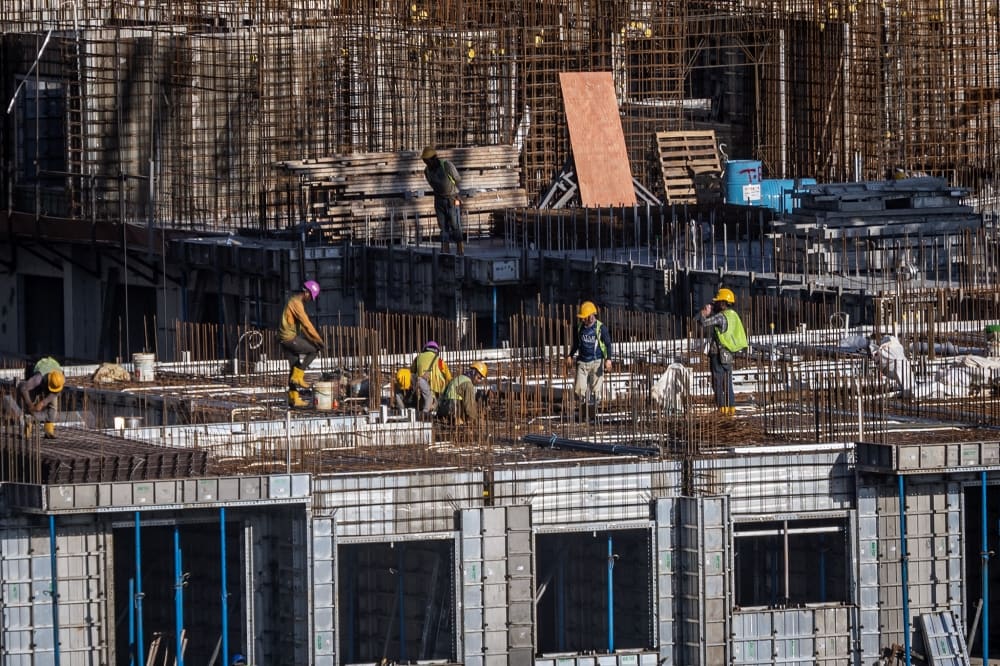
Construction material prices across Malaysia rose in July, but sand stood out with dramatic regional swings that reached nearly 15 percent in some states, data from the Department of Statistics Malaysia showed.
Terengganu and Kelantan recorded the steepest sand price increases at 14.9 percent month-on-month, according to the agency. Kota Kinabalu in Sabah followed with a 4.1 percent climb, while the northern cluster of Penang, Kedah, and Perlis saw a 2.8 percent uptick. The divergence underscores how localized supply chains and infrastructure projects shape material availability across the peninsula and Borneo states.
Sand remains a critical input for Malaysia's infrastructure push, from highway expansions to high-rise residential projects. The July spike in eastern states may reflect tighter export controls in neighboring countries and seasonal dredging constraints during the monsoon transition period.
Steel and Cement Post Modest Gains
Steel prices edged higher by 0.6 to 0.9 percent in July compared to the previous month. Perak led with a 0.9 percent increase, followed by Tawau at 0.7 percent and Sandakan at 0.6 percent. The national average price for steel, including mild steel round bars and Mycon 60 high-tensile deformed bars, dipped slightly to RM3,499.50 per metric tonne from RM3,507.10 in June, a 0.2 percent decline.
Cement saw increases between 0.2 and 0.8 percent across all regions in Peninsular Malaysia, Sabah, and Sarawak. Perak again posted the highest rise at 0.8 percent, while the central cluster of Selangor, Kuala Lumpur, Melaka, and Negeri Sembilan recorded 0.3 percent. The average retail price of Ordinary Portland cement held steady at RM25.70 per 50-kilogram bag.
Year-on-Year Trends Show Persistent Pressure
When measured against July 2025, steel prices climbed 0.5 to 8.4 percent across most of Malaysia. Perak recorded the largest annual increase at 8.4 percent, followed by Johor at 6.3 percent and Pahang at 4.8 percent. The sustained upward trajectory reflects global steel supply dynamics and regional demand tied to infrastructure spending under the Twelfth Malaysia Plan.
Cement prices also rose 0.9 to 7.5 percent year-on-year. Perak again led at 7.5 percent, with Kuching and Miri in Sarawak both registering 7.2 percent gains. The consistency of Perak's leadership across multiple materials suggests concentrated industrial activity or supply bottlenecks in the state.
Building Cost Index Reflects Mixed Regional Picture
The Building Material Cost Index with steel bars rose 0.1 to 1.4 percent month-on-month in Peninsular Malaysia for July. Sabah bucked the trend, recording a slight decline of 0.2 to 0.5 percent across all building categories, while Sarawak saw increases of 0.2 to 1.3 percent.
The index tracks composite costs for residential, commercial, and industrial construction. Sabah's decline may reflect localized oversupply or slower project starts, while Sarawak's uptick aligns with ongoing energy and port infrastructure developments in the state.
Malaysia's construction sector remains a bellwether for broader economic activity, contributing roughly 4 percent to GDP and employing over 1.3 million workers. Material cost trends feed directly into housing affordability and the viability of public-private infrastructure partnerships, particularly as the government targets 500,000 affordable housing units by 2028.
Regional price variations also highlight the logistical challenges of a geographically fragmented market. Sabah and Sarawak rely heavily on sea freight for bulk materials, making them vulnerable to shipping cost swings and port congestion. Peninsular states, meanwhile, face competition for aggregate resources as environmental regulations tighten on river sand extraction.
The July data arrives as Malaysia's construction pipeline remains robust, with major projects including the Kuala Lumpur-Singapore High-Speed Rail resumption feasibility studies, the Penang South Reclamation, and ongoing works on the Pan-Borneo Highway. Any sustained escalation in material costs could compress margins for contractors and delay project timelines, particularly for fixed-price government tenders.
Industry watchers will monitor August figures to assess whether the sand price surge represents a temporary supply shock or the start of a longer inflationary cycle in aggregates. With monsoon season approaching in the east coast, further disruptions to sand dredging and transport are possible through year-end.
RELATED STORIES
Gamuda Secures $418 Million Data Centre Contract as Malaysia Rides AI Infrastructure Wave
Priyanka V. Rao · 3 min
ASEAN Targets Fourth-Largest Economy Spot as Internal Trade Lags Behind
Priyanka V. Rao · 3 min

Indonesia Car Sales Jump 34% as Electric Vehicles Reshape Southeast Asia's Auto Market
Siti Nuraini · 3 min

Japanese Food Exports to Malaysia Jump 42% as Halal Demand Opens New Markets
Priyanka V. Rao · 3 min
Spot something wrong? Email editor@briefasia.com. We log every correction publicly.