Technology · Dev
Samsung and SK Hynix Prepare Major Chip Deals During Presidential Silicon Valley Visit
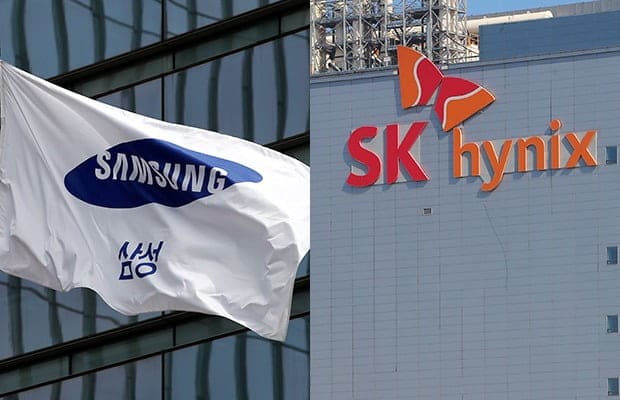
South Korea's memory chip leaders are finalizing long-term supply agreements and strategic partnerships with US tech giants as President Lee Jae Myung heads to California
KEY TAKEAWAYS
- ·Samsung Electronics and SK hynix will announce major chip supply deals with US technology firms during President Lee Jae Myung's Silicon Valley visit, involving long-term memory contracts and strategic partnerships.
- ·The agreements focus on memory chips, where Samsung holds 40 percent of global DRAM share and SK hynix controls 30 percent, addressing US demand for stable advanced memory supply.
- ·Timing aligns with intensified semiconductor diplomacy across Asia as governments and chipmakers navigate supply chain restructuring and secure positions in AI infrastructure markets.
Presidential Visit Sets Stage for Chip Deals
Samsung Electronics and SK hynix are preparing to unveil substantial chip supply agreements with leading US technology companies as South Korean President Lee Jae Myung visits Silicon Valley this week. The announcements will center on long-term memory chip contracts, strategic investment frameworks, and formal partnership memorandums, according to Kim Yong-beom, presidential policy chief.
The deals involve "very large" financial commitments, Kim told reporters Thursday, though he withheld specific figures ahead of the formal signing ceremonies. The timing aligns with broader efforts by Seoul to deepen semiconductor ties with American firms amid ongoing restructuring of global chip supply chains.
Memory Chips at the Center
The agreements are expected to focus primarily on memory chip supply arrangements, the segment where both Samsung and SK hynix hold dominant global positions. Samsung commands roughly 40 percent of the worldwide DRAM market, while SK hynix controls about 30 percent. In NAND flash memory, Samsung's share exceeds 30 percent, with SK hynix trailing at around 18 percent.
US technology companies have been working to secure stable, diversified sources of advanced memory chips as geopolitical tensions and supply chain vulnerabilities reshape procurement strategies. American cloud computing providers, data center operators, and AI infrastructure builders are particularly hungry for high-bandwidth memory products, which both Korean manufacturers produce at scale.
The presidential visit provides a diplomatic platform for deals that have likely been negotiated over months. Corporate announcements timed to state visits carry symbolic weight, signaling government backing and strategic alignment beyond commercial transactions.
Strategic Investment Partnerships
Beyond supply contracts, the agreements are expected to include investment partnerships that could involve joint research initiatives, co-development programs, or shared manufacturing infrastructure. Neither Samsung nor SK hynix has disclosed details, but industry observers note that US firms have been pushing for closer collaboration on next-generation memory technologies, including high-bandwidth memory variants optimized for artificial intelligence workloads.
Such partnerships could also address American concerns about over-reliance on a narrow base of memory suppliers. While South Korean firms dominate the market, US policymakers have expressed interest in diversifying production geography and strengthening technical collaboration with allied nations.
The memorandums of understanding expected to be signed may outline frameworks for future cooperation, technology sharing, or capacity expansion plans. These documents often serve as precursors to more concrete agreements but carry political significance in demonstrating alignment between governments and industries.
Asia's Chip Diplomacy Intensifies
The Silicon Valley visit underscores how semiconductor policy has become intertwined with statecraft across Asia. South Korea, Japan, Taiwan, and other regional players are navigating a landscape where chip technology sits at the intersection of economic competitiveness, national security, and diplomatic leverage.
For Seoul, strengthening ties with US tech giants offers economic benefits while reinforcing the strategic partnership with Washington. South Korea has committed tens of billions of dollars in subsidies and tax incentives to support domestic chipmakers, mirroring programs in the United States, Europe, and China.
The deals also arrive as both Samsung and SK hynix face cyclical pressures in the memory market. Prices for DRAM and NAND have been volatile, and both companies are betting that surging demand for AI infrastructure will drive the next growth phase. Securing long-term contracts with major US customers provides revenue visibility and justifies continued capital expenditure on advanced production lines.
What Comes Next
The specific identity of the US partners remains undisclosed, though the phrase "leading US technology companies" typically refers to hyperscale cloud providers, major hardware manufacturers, or semiconductor design firms with significant purchasing power. Announcements are expected within the coming days as the presidential delegation completes its California itinerary.
Market analysts will be watching for details on contract duration, volume commitments, and whether the agreements include pricing mechanisms that protect suppliers from downturns or customers from price spikes. The structure of these deals can signal how both sides are balancing risk in an uncertain macroeconomic environment.
For the broader Asian semiconductor ecosystem, the agreements may set precedents for how regional suppliers engage with Western customers amid shifting trade and technology policies. The outcome could influence similar negotiations involving Japanese, Taiwanese, and other chip producers seeking to secure their positions in a fragmenting global market.
RELATED STORIES
Memory Makers Gain Leverage as AI Server Costs Climb
Cheng Wei-Lun · 3 min
SK Hynix Eyes Deeper Collaboration With Japan's Chip Sector
Cheng Wei-Lun · 4 min
South Korea Taps Three Telecom Giants to Deliver Free AI Services Nationwide
Cheng Wei-Lun · 3 min
Samsung Display Restarts Asan OLED Campus as Foldable Phones Stage Recovery
Cheng Wei-Lun · 4 min
Spot something wrong? Email editor@briefasia.com. We log every correction publicly.