Technology · AI
Samsung Merges Robot Teams as AI Control Reshapes Humanoid Race
The Korean conglomerate is centralizing scattered robotics operations under one roof, signaling a strategic shift as the industry pivots from hardware to autonomous intelligence
KEY TAKEAWAYS
- ·Samsung Electronics is consolidating its fragmented robotics teams into a single organizational structure to centralize talent and technology.
- ·The reorganization reflects an industry shift toward AI-based autonomous control systems rather than mechanical hardware as the key competitive differentiator.
- ·The move positions Samsung to leverage its semiconductor capabilities and Asian manufacturing footprint as regional governments increase automation incentives.
Bringing the Pieces Together
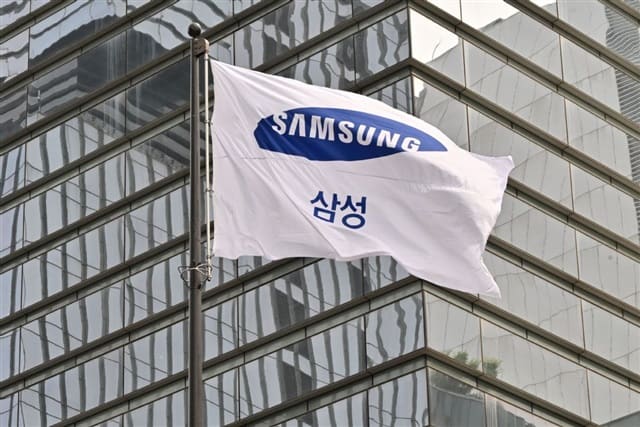
Samsung Electronics has launched a sweeping reorganization of its robotics operations, pulling together teams that had been working in silos across the company. The restructuring comes at a moment when the humanoid robot sector is undergoing a fundamental shift: raw mechanical capability matters less than the intelligence layer that lets machines operate without constant human oversight.
The consolidation aims to pool engineering talent and proprietary technology that had been scattered across different business units. For Samsung, the move reflects a recognition that the next phase of robotics competition will be won not by hardware alone, but by the software and machine learning systems that enable robots to perceive, decide, and act in unpredictable environments.
Why the Industry Is Changing Course
The robotics landscape has evolved rapidly over the past eighteen months. Early prototypes focused on actuators, joint design, and physical dexterity. Now the frontier has moved to vision processing, real-time path planning, and learning from demonstration. Companies that can integrate sensor data, run inference at the edge, and update behavior models over the air hold the advantage.
Samsung's decision to unify its robotics work suggests the company sees this transition as a platform play rather than a standalone product bet. By consolidating research and development under one organizational umbrella, the firm can accelerate iteration cycles and avoid duplication of effort across divisions that previously operated independently.
What Centralization Means for Execution
Merging disparate teams brings immediate operational challenges. Engineers who built vision modules for consumer appliances now share roadmaps with researchers developing industrial manipulation systems. Aligning priorities, toolchains, and success metrics across these groups requires careful coordination.
Yet the potential payoff is significant. A unified robotics division can standardize data pipelines, share training datasets, and deploy common control architectures across product lines. It also simplifies partnerships with external AI labs and semiconductor vendors, which prefer a single point of contact over navigating multiple Samsung business units.
The reorganization also positions Samsung to make faster decisions on capital allocation. Instead of competing internally for budget, robotics projects can be evaluated and funded through a single lens. That streamlines go-to-market strategies and reduces the risk of fragmented messaging when Samsung eventually brings humanoid or service robots to commercial customers.
The Broader Asian Robotics Context
Samsung's move arrives as Asian conglomerates jostle for position in a sector that could reshape manufacturing, logistics, and elder care across the region. Japan's industrial giants have decades of experience in factory automation, but many are still adapting legacy systems to modern AI frameworks. Chinese startups have moved quickly on humanoid prototypes, though scaling production and ensuring safety certification remain open questions.
South Korea sits at the intersection of semiconductor leadership and advanced manufacturing. Samsung's chip business gives it an edge in designing custom silicon for low-latency inference, while its supply chain footprint spans Vietnam, Thailand, and India. A centralized robotics division can leverage those assets more effectively than separate teams ever could.
The timing also matters. Governments across Asia are rolling out incentives for automation as labor costs rise and populations age. Singapore's Smart Nation initiative, South Korea's Robot Industry Promotion Act, and Japan's Society 5.0 framework all create tailwinds for companies that can deliver reliable, cost-effective robotic solutions at scale.
What Comes Next
The immediate task for Samsung's newly unified robotics group is to prove that centralization accelerates output rather than adding bureaucracy. Early milestones will likely focus on demonstrating integrated prototypes that combine vision, manipulation, and navigation in a single package. Public showcases at industry events later this year could signal how far the internal consolidation has progressed.
Longer term, the question is whether Samsung treats robotics as a standalone business or as a technology layer embedded across its existing product portfolio. The company has historically preferred vertical integration, and a robotics platform that powers everything from smart home devices to factory automation fits that model.
For competitors watching from Silicon Valley, Shenzhen, and Tokyo, Samsung's reorganization is a data point in a larger trend. The era of fragmented, skunkworks-style robotics projects is giving way to centralized operations backed by serious capital and executive attention. The companies that can marshal resources, align incentives, and ship products will define the next decade of automation in Asia and beyond.
RELATED STORIES

South Korea Taps Three Telecom Giants to Deliver Free AI Services Nationwide
Cheng Wei-Lun · 3 min
South Korean Chip Materials Suppliers Ride AI Boom to Profit Surge
Cheng Wei-Lun · 3 min
Memory Makers Gain Leverage as AI Server Costs Climb
Cheng Wei-Lun · 3 min
Samsung Display Restarts Asan OLED Campus as Foldable Phones Stage Recovery
Cheng Wei-Lun · 4 min
Spot something wrong? Email editor@briefasia.com. We log every correction publicly.