Finance · Markets
Samsung Chairman Leads Korea's First-Half Dividend Recipients
Lee Jae-yong collected $50.9 million as listed companies accelerate shareholder payouts across the market
KEY TAKEAWAYS
- ·Samsung Electronics Executive Chairman Lee Jae-yong received 72.8 billion won in first-half dividends, the highest among individual shareholders in Korea.
- ·A total of 127 listed Korean companies declared interim dividends by early August, up 48 percent from 86 the previous year, with combined payouts rising 18.4 percent.
- ·The increase reflects regulatory pressure to close the Korea discount and growing investor demand for higher capital returns across the market.
Largest Individual Payout
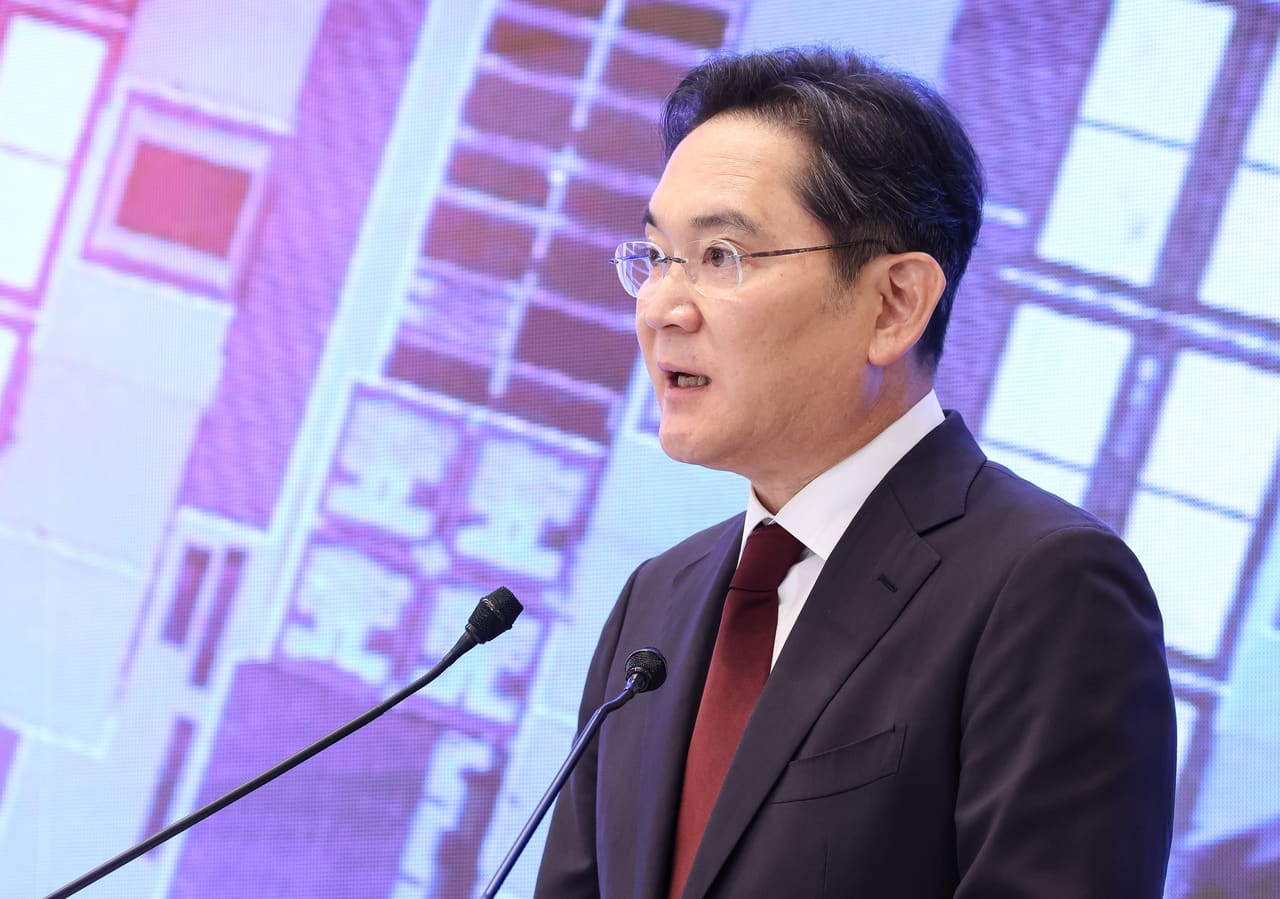
Samsung Electronics Executive Chairman Lee Jae-yong collected 72.8 billion won in dividends during the first half of the year, placing him at the top of individual shareholders in Korea by payout value, according to data from Leaders Index released Tuesday. The figure translates to approximately $50.9 million and underscores both his substantial equity stake in the conglomerate and Samsung's continued commitment to shareholder returns despite market volatility.
Lee's dividend haul reflects Samsung Electronics' decision to maintain its distribution policy even as the semiconductor industry navigates cyclical headwinds. The company has historically favored stable dividend schedules, a practice that benefits large individual stakeholders like Lee, whose family holdings remain central to the chaebol's governance structure.
Broader Market Shift
The dividend landscape across Korea's equity markets shifted noticeably in the first half. According to Leaders Index, 127 listed companies declared quarterly or interim dividends by early August, a 48 percent jump from the 86 companies that did so during the same period last year. The corporate tracker's survey covered 2,873 listed firms, providing a comprehensive snapshot of distribution trends.
Combined first-half dividends from these companies climbed 18.4 percent year-on-year, signaling growing confidence among boards and pressure from investors for improved capital allocation. The increase comes as Korea's government and financial authorities push listed firms to adopt more shareholder-friendly policies, including higher payout ratios and clearer return frameworks.
Policy and Market Pressure
Korean regulators have spent the past two years urging companies to boost dividends and share buybacks, part of a wider effort to close the so-called "Korea discount" that has kept local equities trading below regional peers. The Financial Services Commission introduced guidelines encouraging firms to raise payout ratios and communicate distribution plans more transparently.
Institutional investors, both domestic and foreign, have amplified these calls. Pension funds and asset managers increasingly view dividend yield as a key metric when allocating capital in Asia, and Korean companies have responded by elevating distributions on their priority lists. The first-half data suggests this shift is gaining momentum, with mid-tier firms joining blue-chip names in raising payouts.
Samsung's Strategic Position
For Samsung Electronics, dividends remain a tool to balance reinvestment needs with shareholder expectations. The company allocates significant capital to memory and foundry capacity, yet it has maintained a steady quarterly dividend since 2015. Lee's position as the largest individual beneficiary highlights the alignment between controlling family interests and broader shareholder returns, though it also draws scrutiny over governance and wealth concentration.
Samsung's board has committed to returning a portion of free cash flow to investors even during down cycles. The company's interim results showed resilient earnings in mobile and display segments, offsetting weaker memory pricing. Analysts expect Samsung to sustain its payout level through the second half, barring major operational disruptions.
What Comes Next
The uptick in dividend declarations sets the stage for a more active second half. Historically, Korean firms front-load distributions in the first half, with fewer interim payouts later in the year. However, the 48 percent rise in participating companies suggests a structural change may be underway, with more boards willing to declare interim dividends alongside year-end distributions.
Investor focus will remain on whether mid-cap firms follow the lead of conglomerates like Samsung. If the trend holds, Korea's dividend yield relative to other Asian markets could narrow, potentially attracting fresh foreign inflows. For now, Lee Jae-yong's $50.9 million haul stands as a visible marker of both family wealth and the shifting priorities of Korea's corporate sector.
RELATED STORIES
Asian Tech Stocks Surge as Weak US Jobs Data Dims Rate Hike Outlook
Cheng Wei-Lun · 4 min
KT&G Posts Fourth Consecutive Quarter of Double-Digit Profit Growth
Cheng Wei-Lun · 3 min
South Korean Retail Investors Pivot to US Leveraged ETFs After Domestic Crackdown
Cheng Wei-Lun · 3 min
South Korea's Pension Giant Faces Questions Over Market Timing
Jun-ho Seo · 3 min
Spot something wrong? Email editor@briefasia.com. We log every correction publicly.