Travel & Dining · Destinations
Sabah's Bajau Communities Push for Control Over Island Tourism
Indigenous groups in Malaysian Borneo plan new festival to reclaim cultural narrative as diving destinations attract outside investment
KEY TAKEAWAYS
- ·Indigenous Bajau communities in Sabah are launching a new festival to directly control how their culture is presented and to capture tourism revenue currently flowing to outside operators in Semporna and surrounding islands.
- ·The initiative responds to rapid tourism growth around diving destinations like Sipadan, Mabul, and Kapalai, where external investors have dominated while local communities remain economically marginalized.
- ·Success depends on government support and operator partnerships, as Bajau groups seek both economic benefits and greater influence over development decisions in their ancestral waters.
Indigenous Voices in a Crowded Paradise
The waters off Semporna in southeastern Sabah have transformed into one of Southeast Asia's most sought-after diving destinations, drawing investors and tourists to islands like Sipadan, Mabul, and Kapalai. But the Indigenous Bajau communities who have called these waters home for generations are now demanding a seat at the table as tourism revenue flows increasingly to outside operators.
The Bajau are preparing to launch a new Indigenous-led festival designed to showcase traditional crafts, dance, and music on their own terms. The initiative represents a broader push by coastal communities across Malaysian Borneo to influence tourism development and ensure cultural authenticity remains in local hands rather than being packaged by resort operators and tour companies with little connection to the region.
A Cultural Economy Under Pressure
Semporna's rapid rise as a diving hub has brought economic opportunity but also tension. The town and surrounding islands have become what some describe as a lucrative playground for external capital, with resorts and dive operators capturing the majority of tourism spending while Indigenous communities remain on the margins of an industry built around their ancestral waters.
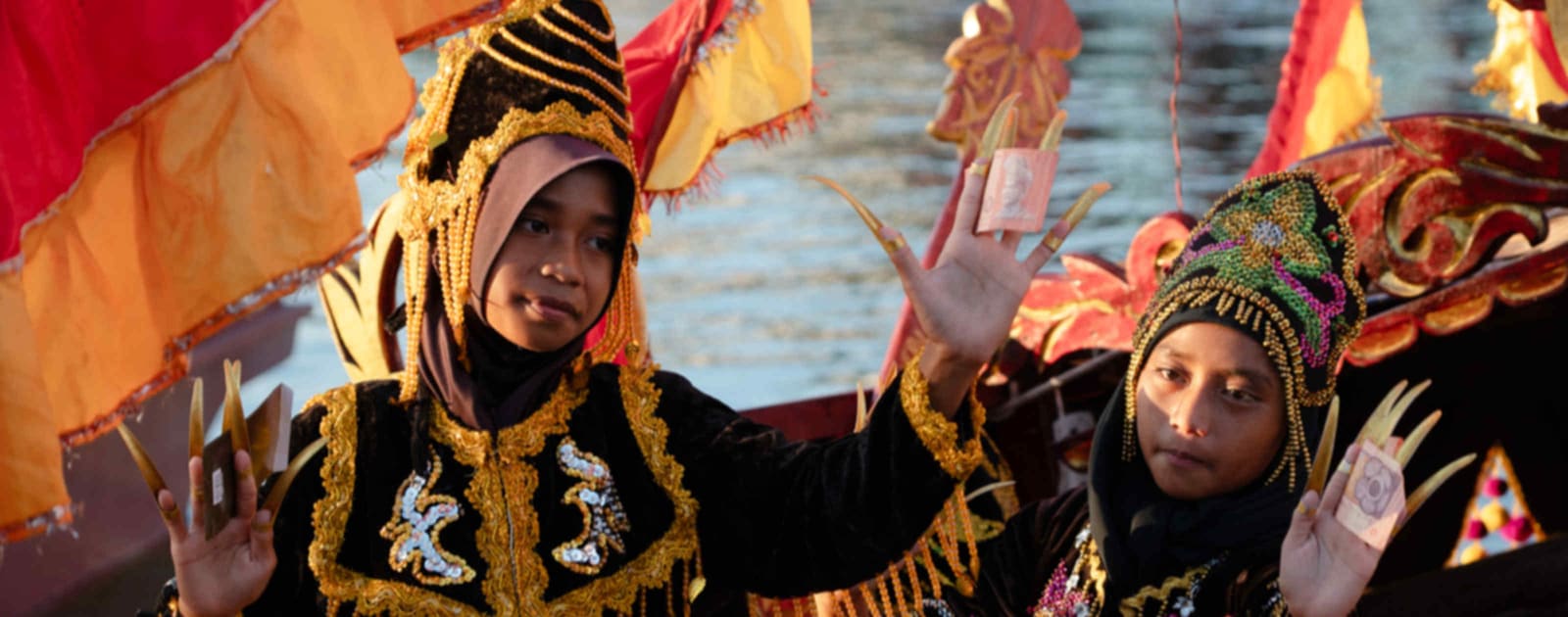
The Bajau, often called "sea nomads" for their historical lifestyle centered on marine environments, have maintained cultural practices including the igal igal dance and the construction of traditional lepa boats. These elements appear regularly in tourism marketing materials, yet the communities themselves have had limited control over how their heritage is presented or monetized.
The 31st Regatta Lepa, held in Semporna in June, demonstrated both the vitality of Bajau culture and the growing assertiveness of communities seeking to shape its commercial future. Young dancers performed the igal igal atop lepa boats, a spectacle that draws photographers and tourists but has historically generated little direct economic benefit for participants.
Reclaiming the Narrative
The planned Indigenous-led festival aims to shift this dynamic. By organizing cultural programming directly, Bajau leaders hope to create revenue streams that remain within their communities while presenting traditions in context rather than as isolated performances for tourist consumption.
The model reflects similar efforts across Southeast Asia, where Indigenous groups in tourism-heavy regions have begun establishing cooperatives, cultural centers, and community-based tourism ventures to counter the extractive dynamics of conventional resort development. In Sabah specifically, the approach aligns with growing recognition that sustainable tourism requires local ownership and decision-making authority.
Traditional crafts, including boat-building techniques and textile work, are central to the festival concept. These practices face erosion as younger Bajau increasingly migrate to urban centers or work in low-wage tourism jobs rather than learning specialized skills. Festival organizers see cultural programming as both an economic strategy and a preservation mechanism.
The Stakes for Sabah's Coast
Sabah's southeastern coast sits at the intersection of conservation priorities and development pressure. Sipadan, in particular, is recognized globally for marine biodiversity, and Malaysian authorities have implemented dive permit limits to manage environmental impact. Yet questions about who benefits from access to these ecosystems remain contentious.
For the Bajau, the issue extends beyond tourism revenue to questions of territorial rights and resource access. Many Bajau families live in stilt villages over the water, occupying a legal gray zone as Malaysian citizenship and land tenure policies have historically marginalized sea-based communities. Tourism development often proceeds without meaningful consultation, compounding existing vulnerabilities.
The push for greater control over tourism narratives is therefore inseparable from broader struggles for recognition and rights. Cultural festivals and community-based tourism initiatives serve as platforms for asserting presence and legitimacy in spaces where Indigenous voices have been systematically excluded from planning processes.
What Comes Next
The success of Indigenous-led tourism initiatives in Semporna will depend on multiple factors, including government support, access to capital, and the willingness of tour operators to partner with rather than bypass local communities. Early efforts face challenges ranging from infrastructure limitations to competition with established resorts that benefit from economies of scale and international marketing reach.
Still, the momentum is building. As travelers increasingly seek authentic cultural experiences and express concern about tourism's social impacts, demand exists for models that center Indigenous leadership. Whether Sabah's Bajau can translate that demand into sustained economic and political power remains to be seen, but the intent to shape their own future is now unmistakable.
RELATED STORIES

AirAsia Group Posts RM527 Million Second-Quarter Loss on Soaring Fuel Costs
Priyanka V. Rao · 3 min

Zus Coffee Eyes $245 Million Malaysia IPO by Mid-2027
Priyanka V. Rao · 3 min
Malaysia's Banking System Gains Momentum as Business Lending Climbs to 7.2 Percent
Priyanka V. Rao · 4 min

Malaysia's Ringgit Strengthens on 6% Second-Quarter GDP Beat
Priyanka V. Rao · 3 min
Spot something wrong? Email editor@briefasia.com. We log every correction publicly.