Asia · Trade
Russian Crude Shipments From Western Ports Set to Rise 4% in August
Refinery drone strikes and firm Asian demand drive capacity-level loadings from Baltic and Black Sea terminals
KEY TAKEAWAYS
- ·Russian oil exports from western ports are projected to reach 2.7 million barrels per day in August, a 4% increase from July's 2.6 million bpd.
- ·Drone attacks on Russian refineries have reduced domestic processing capacity, freeing up crude for export while Asian buyers seek alternatives to disrupted Middle East supplies.
- ·Urals crude discounts to Brent for India delivery have narrowed to $2-3 per barrel, and Chinese refiners secured most September ESPO Blend cargoes at tighter differentials.
Loading Surge at Western Terminals
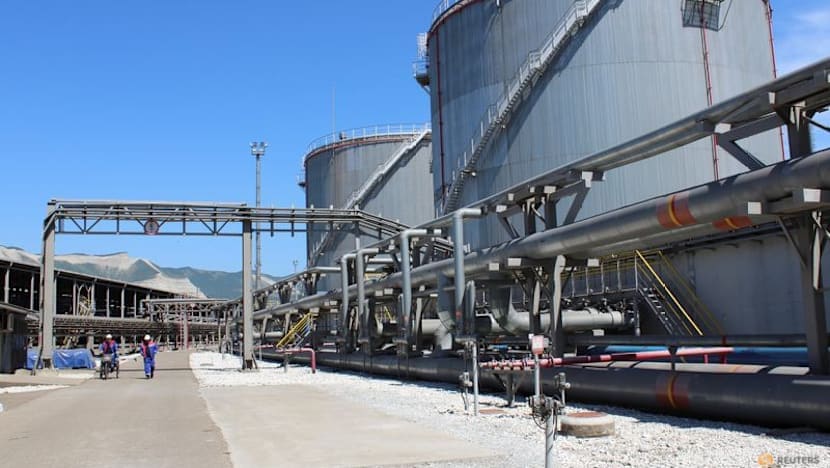
Russian oil exports from western ports are set to climb 4% in August to approximately 2.7 million barrels per day, driven by a combination of domestic refinery constraints and robust appetite from Asian buyers. The increase marks a rebound from July's 2.6 million bpd, when loadings were curtailed by operational disruptions at the Black Sea port of Novorossiysk.
The projected volumes from the Baltic terminals of Primorsk and Ust-Luga, alongside Novorossiysk, approach capacity limits for these facilities. Traders familiar with the loading schedules note that while demand supports higher throughput, logistical bottlenecks including labor strikes and a shortage of available tankers may prevent exports from exceeding current forecasts.
Refinery Attacks Redirect Supply
The uptick in crude available for export stems directly from reduced domestic refining capacity. Drone attacks on Russian refineries over recent months have forced operators to cut processing runs, leaving more unrefined crude seeking foreign buyers. This shift has turned what would typically be domestic fuel production into export barrels, particularly benefiting ports that handle Urals crude and ESPO Blend grades.
The redirection of supply comes at a moment when Asian refiners are actively seeking alternatives to Middle Eastern crude. Ongoing tensions in the Strait of Hormuz have tightened availability from traditional Gulf suppliers, prompting buyers in India and China to look north.
Asian Buyers Narrow Discounts
Pricing for Russian Urals crude delivered to India in late August and September has firmed to a discount of $2 to $3 per barrel against Brent at delivery, a narrowing that reflects strengthened demand fundamentals. The differential compression signals that buyers are willing to pay more as supply options elsewhere tighten.
Chinese state refiners have returned to Russian barrels with renewed interest. Two major Chinese refiners recently secured the majority of ESPO Blend cargoes loading in September, accepting narrower discounts than in previous months. The shift underscores how supply disruptions in one region can quickly reshape purchasing patterns across Asia's refining complex.
Capacity Constraints Loom
Despite strong commercial incentives to maximize loadings, operational realities impose limits. Strikes affecting port labor and a constrained pool of tankers willing to lift Russian crude create friction in the supply chain. These factors are likely to cap August volumes near the 2.7 million bpd estimate rather than allowing further growth.
The tanker shortage is particularly acute for vessels capable of navigating the insurance and financing complexities associated with Russian crude. While buyers remain eager, the infrastructure to move barrels from terminal to refinery gate remains a binding constraint.
Regional Supply Dynamics
The interplay between Middle East disruptions and Russian supply flexibility highlights Asia's evolving crude procurement landscape. Indian and Chinese refiners, who together account for a substantial share of global oil demand growth, have demonstrated willingness to shift sourcing rapidly in response to price and availability.
For Russia, the ability to redirect crude from domestic refining to export markets provides a revenue buffer even as refinery margins suffer from operational interruptions. The western ports, which primarily serve European and Asian markets, have become critical valves for managing domestic production when downstream capacity falters.
The August loading schedule will test whether logistical infrastructure can keep pace with commercial demand. If strikes ease and tanker availability improves, exports could trend toward the higher end of current projections. Conversely, any intensification of port disruptions or further tanker constraints would pull volumes back below the 2.7 million bpd mark.
Asian refiners will be watching closely. With Middle East supply still uncertain and refining margins under pressure across the region, securing reliable crude flows at competitive differentials remains a priority for procurement teams from Mumbai to Shandong.
RELATED STORIES

Ramon Ang's Lopez Stake Triggers Competition Review by Philippine Regulator
Priyanka V. Rao · 3 min

Bayan Resources Halts Coal Deliveries After Indonesia Quota Dispute
Lim Hui Ying · 3 min

Manila Eyes Larger Coal Revenue Cut as Semirara Mine Tender Stalls
Priyanka V. Rao · 2 min
Vietnam Eyes Second LNG Supply Contract as Energy Transition Accelerates
Cheng Wei-Lun · 3 min
Spot something wrong? Email editor@briefasia.com. We log every correction publicly.