Finance · Markets
Ringgit Gains Against Major Currencies as Trump Tariffs Weigh on Dollar Sentiment
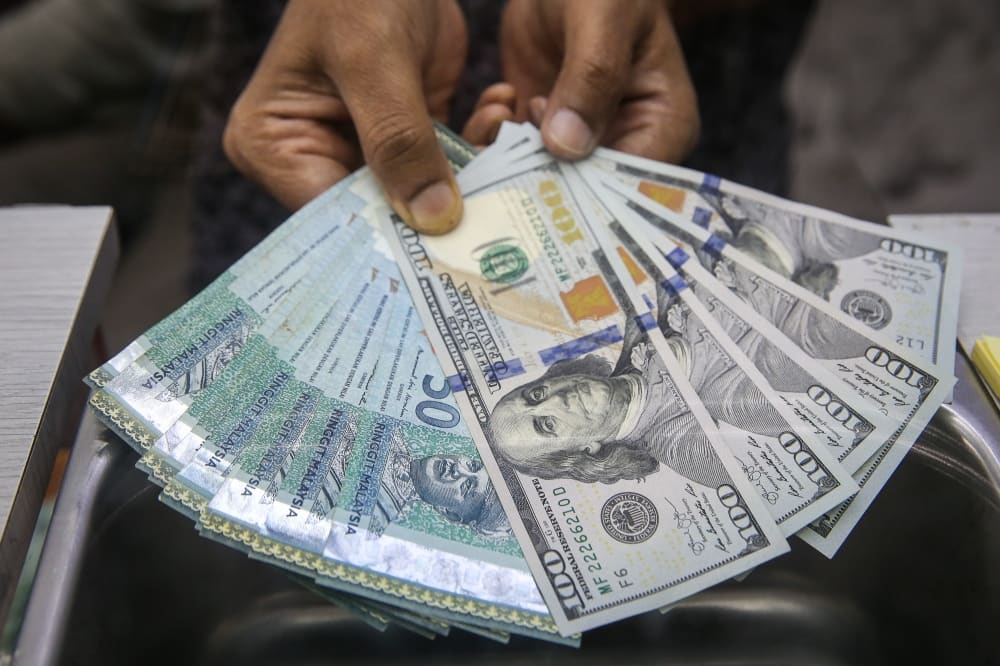
Malaysia's currency strengthened versus the yen, euro, and pound despite fresh US trade measures targeting 60 economies
KEY TAKEAWAYS
- ·The ringgit opened at 4.0925 per US dollar on Friday, slightly weaker from 4.0870 at Thursday's close, as Trump announced 10 to 12.5 percent tariffs on 60 economies including Malaysia.
- ·Malaysia's currency gained against the yen to 2.4971, the euro to 4.6556, and the pound to 5.4483, showing strength across major developed-market pairs despite US trade policy uncertainty.
- ·Bank Muamalat Malaysia expects the ringgit to trade cautiously between 4.08 and 4.10 versus the dollar as markets assess the impact of expanded US import duties justified by forced labour claims.
Mixed Morning for Malaysian Currency
The ringgit opened Friday's session with gains against most major currencies, climbing versus the Japanese yen, euro, and British pound, even as it eased marginally against the US dollar. At 8:01 am Kuala Lumpur time, the local currency traded at 4.0925 per dollar, slightly weaker from Thursday's close of 4.0870.
The mixed performance came as markets digested fresh trade policy announcements from Washington. The Trump administration unveiled additional import tariffs ranging from 10 percent to 12.5 percent on 60 economies, with Malaysia among the countries targeted. The White House cited forced labour practices as justification for the measures.
Tariff Strategy Returns After Court Setback
According to Bank Muamalat Malaysia, the US president remains committed to using tariffs as an economic lever following a significant legal setback earlier this year. In February, the US Supreme Court struck down previous tariff measures, temporarily halting the administration's protectionist agenda.
Dr Mohd Afzanizam Abdul Rashid, chief economist at Bank Muamalat Malaysia, noted that Trump continues to view import duties as a tool to strengthen the domestic economy despite the judicial reversal. The renewed tariff push reflects Washington's determination to reshape trade relationships, even as it introduces fresh uncertainty into currency markets.
Trading Ranges and Regional Performance
The ringgit is expected to trade cautiously within a range of 4.08 to 4.10 against the dollar on Friday, according to Bank Muamalat Malaysia. The forecast reflects investor wariness as markets assess the implications of the expanded tariff regime.
Against Asian and European currencies, the ringgit showed broader strength. The local unit appreciated to 2.4971 per yen from Thursday's 2.5015, gained to 4.6556 per euro from 4.6641, and rose to 5.4483 per pound from 5.4647. Versus the Singapore dollar, it edged up to 3.1651 from 3.1667.
Performance was more mixed against regional peers. The ringgit slipped slightly to 228.1 per 100 Indonesian rupiah from 227.8, and weakened to 12.0937 per Thai baht from 12.0860. It held steady against the Philippine peso at 6.62.
Oil Prices and Risk Appetite
The currency movements unfolded against a backdrop of rising crude oil prices and shifting risk sentiment. Higher energy costs typically support commodity-linked currencies but can also dampen growth expectations for net importers.
Malaysia's position as both an oil exporter and a manufacturing hub exposed to global trade flows means the ringgit faces competing pressures. The latest tariff announcements add another layer of complexity, particularly for export-oriented sectors that depend on US market access.
Policy Uncertainty Ahead
The expansion of US tariffs to 60 countries marks a significant escalation in trade policy activism. For Malaysia, the 10 to 12.5 percent duties represent a new cost for exporters navigating an already challenging global environment.
Currency traders will be watching for any official response from Kuala Lumpur, as well as signals from other affected economies. The breadth of the tariff action suggests prolonged negotiations may lie ahead, with potential implications for regional trade agreements and supply chain configurations.
The ringgit's performance in coming sessions will likely depend on how markets weigh the competing forces of domestic fundamentals, regional currency dynamics, and the evolving US trade stance.
RELATED STORIES
Ringgit Strengthens as Malaysia's Stable Rates Signal Policy Flexibility
Mariel D. Santos · 3 min
Ringgit Set to Hold Gains as Malaysia Central Bank Meeting Nears
Priyanka V. Rao · 3 min
Ringgit Gains Ground as Traders Await Fed Chair Warsh's Jackson Hole Address
Priyanka V. Rao · 3 min
Malaysia's KLCI Index to Add 20 Stocks in Phased Expansion
Jun-ho Seo · 2 min
Spot something wrong? Email editor@briefasia.com. We log every correction publicly.