Finance · Markets
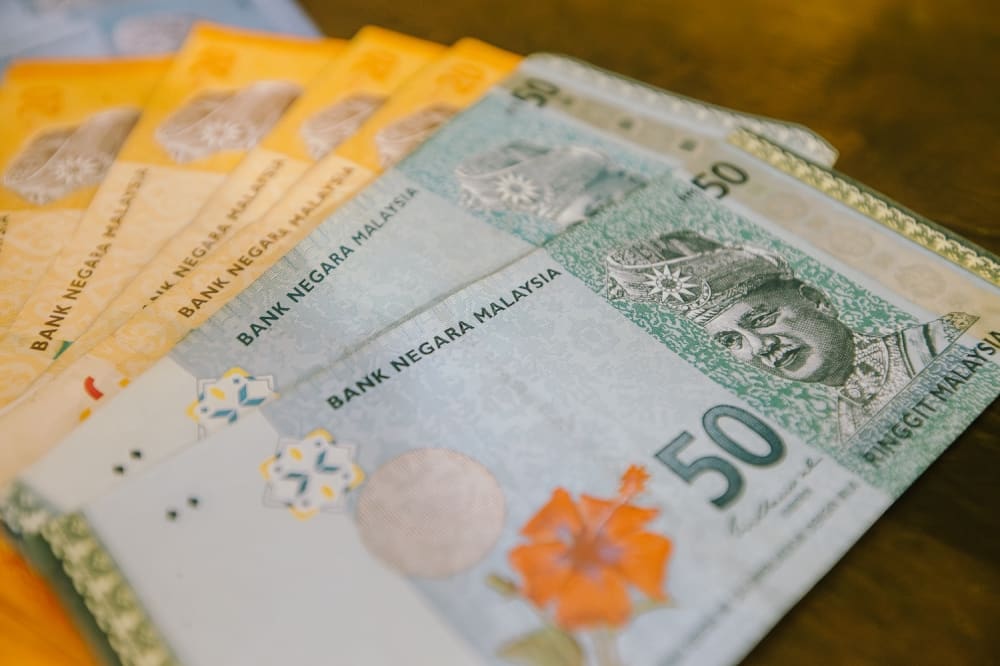
Ringgit Gains Ground After Trump Cancels Iran Strike Plans
Malaysia's currency strengthens to 4.0805 per dollar as geopolitical tensions ease and oil prices retreat
KEY TAKEAWAYS
- ·Malaysia's ringgit opened at 4.0805 per US dollar Monday, up from 4.0835, after Trump cancelled planned strikes on Iran over the weekend.
- ·Brent crude retreated from $88.10 per barrel as geopolitical risk premiums eased, pulling down US inflation expectations and weakening the dollar.
- ·Economists expect the ringgit to trade between 4.07 and 4.09 per dollar as markets await US ISM Manufacturing PMI data and confirmation of the Iran nuclear deal.
Currency Opens Stronger Amid Diplomatic Shift
Malaysia's ringgit opened at 4.0805 per US dollar Monday morning, firming from Friday's close of 4.0835 as markets digested news of a diplomatic pause in West Asia. The local currency's modest gain came after US President Donald Trump cancelled planned military strikes against Iran over the weekend, signaling progress toward a deal on Tehran's nuclear program and the full reopening of the Strait of Hormuz.
The announcement triggered immediate moves across commodity and currency markets. Brent crude oil, which had surged 4.59 percent to $88.10 per barrel on escalation fears, retreated as strike risks receded. US inflation breakevens and the interest-rate curve both moved lower, weakening the dollar and creating a more favorable environment for Asian currencies.
Economic Data and Oil Dynamics
Bank Muamalat Malaysia chief economist Mohd Afzanizam Abdul Rashid noted that the US Institute for Supply Management Manufacturing PMI for July is due for release Monday evening, with consensus estimates at 54.0, up from June's 53.3 reading. The data will provide fresh insight into US industrial activity and could influence Federal Reserve policy expectations.
Despite the diplomatic breakthrough, Mohd Afzanizam said market sentiment remains cautious. He expects the ringgit to trade in a narrow band between 4.07 and 4.09 per dollar as investors assess whether the Iran deal will hold and how oil markets will respond.
Stephen Innes, managing partner at SPI Asset Management, said the combination of lower oil prices and reduced inflation expectations should support the ringgit and risk assets more broadly across Asia. The pullback in the dollar reflects a recalibration of geopolitical risk premiums that had been building as tensions escalated in the Persian Gulf.
Cross-Currency Movements
Against major currencies, the ringgit traded mixed. It weakened to 2.5880 per Japanese yen from Friday's 2.5520, slipped to 4.7089 per euro from 4.6981, and depreciated to 5.5038 per British pound from 5.4923. The yen's relative strength suggests continued safe-haven flows despite the easing of immediate conflict risk.
Within the region, the ringgit gained against the Indonesian rupiah, moving to 226.4 from 226.6, and rose versus the Thai baht to 12.2211 from 12.2264. It softened slightly against the Singapore dollar to 3.1844 from 3.1823, while holding steady against the Philippine peso at approximately 6.66.
What Comes Next
The ringgit's trajectory will depend on whether the US and Iran finalize their agreement and on incoming US economic data. A stronger-than-expected ISM Manufacturing PMI could bolster the dollar and cap further ringgit gains, while any setback in diplomacy would likely reverse Monday's currency moves and push oil prices higher again.
Malaysia's currency has been sensitive to both energy prices and regional risk sentiment. With the Strait of Hormuz carrying roughly one-fifth of global oil supply, any prolonged closure or military confrontation would have sent shockwaves through Asian economies. The diplomatic pause offers breathing room, but markets remain alert to the possibility that negotiations could stall.
For now, the ringgit's modest advance reflects cautious optimism that the worst-case scenario has been averted. Investors will be watching for confirmation that the deal is finalized and that shipping lanes remain open.
RELATED STORIES
Malaysian Equities Climb in Morning Session as Regional Investors Weigh Oil Price Rally
Anand Sundaram · 3 min
Ringgit Strengthens as Malaysia's Stable Rates Signal Policy Flexibility
Mariel D. Santos · 3 min
Ringgit Set to Hold Gains as Malaysia Central Bank Meeting Nears
Priyanka V. Rao · 3 min
Malaysia's KLCI Index to Add 20 Stocks in Phased Expansion
Jun-ho Seo · 2 min
Spot something wrong? Email editor@briefasia.com. We log every correction publicly.